Mokhtari Amirmajdi M, Sankian M, Eftekharzadeh Mashhadi I, Varasteh A, Vahedi F, Sadrizadeh A, Spotin A
Department of Mycoparasitology, Faculty of Medicine, Mashhad University of Medical Sciences, Mashhad, Iran.
Iran J Parasitol. 2011 Jun;6(2):9-16.
Modulation of the immune response is an important strategy by which establishment and growth of hydatid cyst in the internal organs of human is warranted. Induction of apoptosis in the lymphocytes might be a considerable component. This study was designed to evaluate apoptotic impact of hydatid fluid (HF) on human lymphocytes.
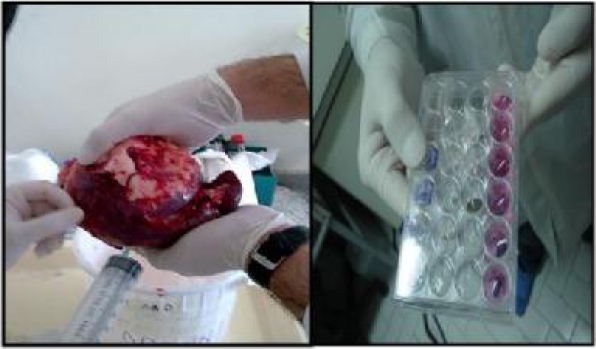
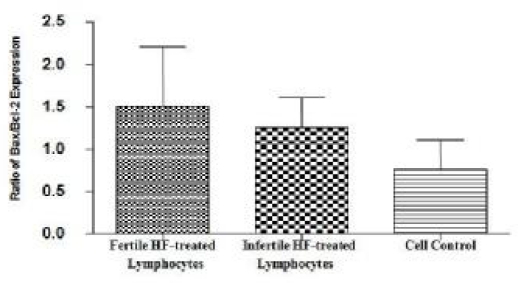
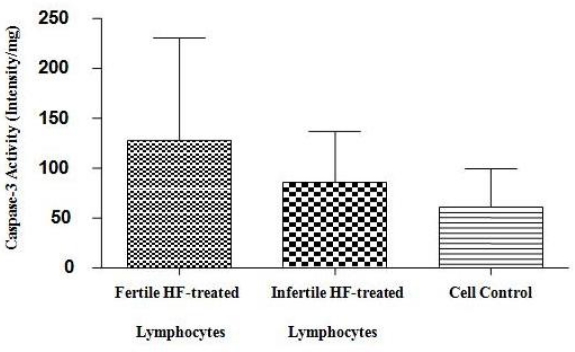
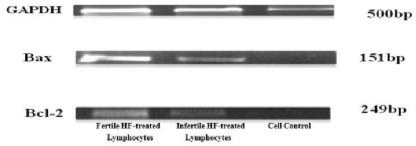
Human lymphocytes were treated with hydatid fluid. After 6 hours of exposure, caspase-3 activity, the central enzyme of apoptosis cascade, was measured by fluorometric assay in the HF-treated lymphocytes and control cells. In addition, the expression of Bax (a pro-apoptotic protein) and Bcl-2 (an anti-apoptotic protein) mRNA was assessed by RT-PCR after 12 hours of exposure.
Both the ratio of Bax/Bcl-2 mRNA expression and Caspase-3 activity were higher in the HF-treated lymphocytes relative to the control group.
Apoptosis could be as a possible mechanism by which Echinococcus granulosus overwhelms host defenses.
免疫反应的调节是保证棘球蚴囊肿在人体内部器官形成和生长的重要策略。诱导淋巴细胞凋亡可能是一个重要组成部分。本研究旨在评估棘球蚴液(HF)对人淋巴细胞的凋亡影响。
用人棘球蚴液处理人淋巴细胞。暴露6小时后,通过荧光测定法测量HF处理的淋巴细胞和对照细胞中凋亡级联反应的核心酶caspase-3的活性。此外,暴露12小时后,通过RT-PCR评估促凋亡蛋白Bax和抗凋亡蛋白Bcl-2 mRNA的表达。
与对照组相比,HF处理的淋巴细胞中Bax/Bcl-2 mRNA表达比值和Caspase-3活性均较高。
凋亡可能是细粒棘球绦虫战胜宿主防御的一种可能机制。