Universiti Kebangsaan Malaysia, Department of Physiology, Faculty of Medicine, Jalan Raja Muda Abdul Aziz, Kuala Lumpur, Malaysia.
Clinics (Sao Paulo). 2012;67(2):99-106. doi: 10.6061/clinics/2012(02)03.
Understanding the changes in chondrogenic gene expression that are involved in the differentiation of human adipose-derived stem cells to chondrogenic cells is important prior to using this approach for cartilage repair. The aims of the study were to characterize human adipose-derived stem cells and to examine chondrogenic gene expression after one, two, and three weeks of induction.
Human adipose-derived stem cells at passage 4 were evaluated by flow cytometry to examine the expression of surface markers. These adipose-derived stem cells were tested for adipogenic and osteogenic differentiation capacity. Ribonucleic acid was extracted from the cells for quantitative polymerase chain reaction analysis to determine the expression levels of chondrogenic genes after chondrogenic induction.
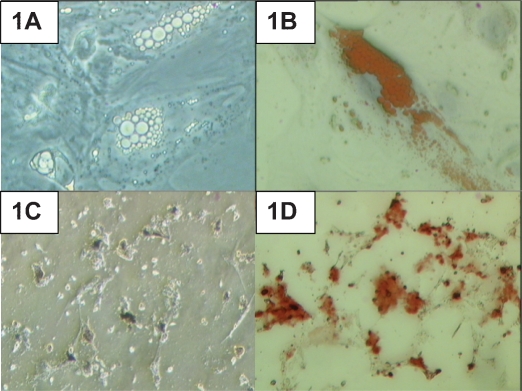
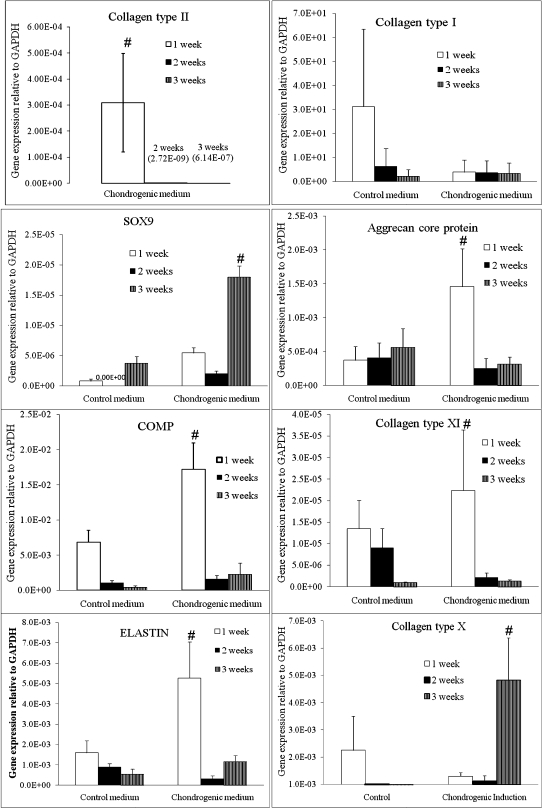
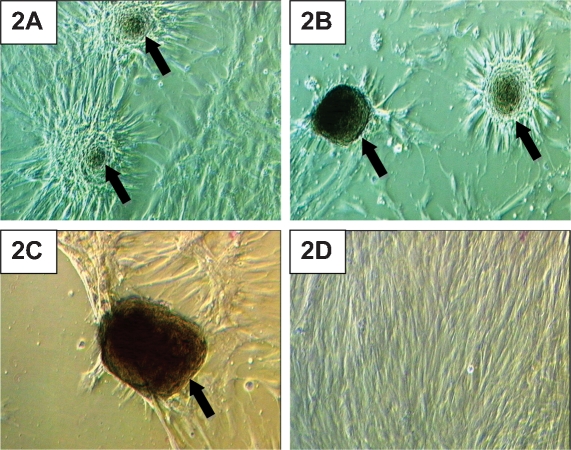
Human adipose-derived stem cells were strongly positive for the mesenchymal markers CD90, CD73, CD44, CD9, and histocompatibility antigen and successfully differentiated into adipogenic and osteogenic lineages. The human adipose-derived stem cells aggregated and formed a dense matrix after chondrogenic induction. The expression of chondrogenic genes (collagen type II, aggrecan core protein, collagen type XI, COMP, and ELASTIN) was significantly higher after the first week of induction. However, a significantly elevated expression of collagen type X was observed after three weeks of chondrogenic induction.
Human adipose-derived stem cells retain stem cell characteristics after expansion in culture to passage 4 and serve as a feasible source of cells for cartilage regeneration. Chondrogenesis in human adipose-derived stem cells was most prominent after one week of chondrogenic induction.
在将人脂肪来源干细胞分化为软骨细胞的方法应用于软骨修复之前,了解参与该过程的软骨形成基因表达的变化非常重要。本研究旨在对人脂肪来源干细胞进行鉴定,并在诱导分化 1、2 和 3 周后检测软骨形成基因的表达。
采用流式细胞术对第 4 代人脂肪来源干细胞进行表面标志物表达鉴定。检测这些脂肪来源干细胞的成脂和成骨分化能力。提取细胞的核糖核酸,通过定量聚合酶链反应分析来检测软骨形成诱导后软骨形成基因的表达水平。
人脂肪来源干细胞对间充质标志物 CD90、CD73、CD44、CD9 和组织相容性抗原呈强阳性,可成功分化为成脂和成骨谱系。在软骨形成诱导后,人脂肪来源干细胞聚集并形成致密基质。在诱导的第 1 周,软骨形成基因(Ⅱ型胶原、聚集蛋白聚糖核心蛋白、Ⅺ型胶原、COMP 和弹性蛋白)的表达显著升高。然而,在软骨形成诱导 3 周后,胶原 X 型的表达显著升高。
人脂肪来源干细胞在培养中扩增至第 4 代后保留干细胞特性,可作为软骨再生的可行细胞来源。人脂肪来源干细胞的软骨形成在诱导分化的第 1 周最为明显。