Fairchild Tropical Botanic Garden, Center for Tropical Plant Conservation, Coral Gables, Florida, United States of America.
PLoS One. 2012;7(3):e32528. doi: 10.1371/journal.pone.0032528. Epub 2012 Mar 5.
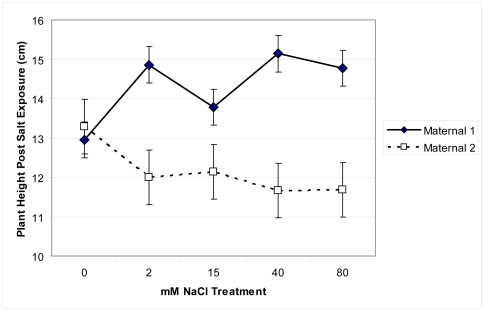
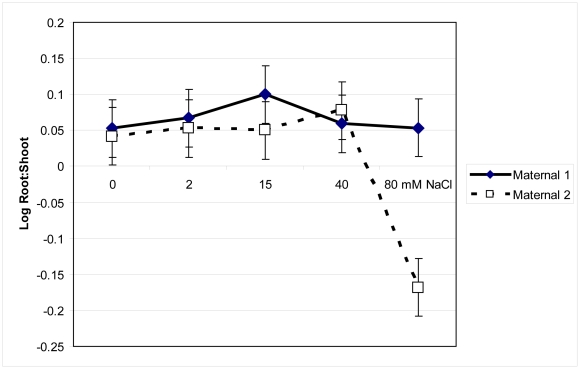
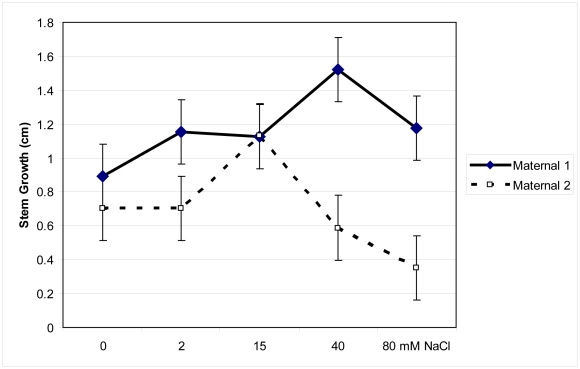
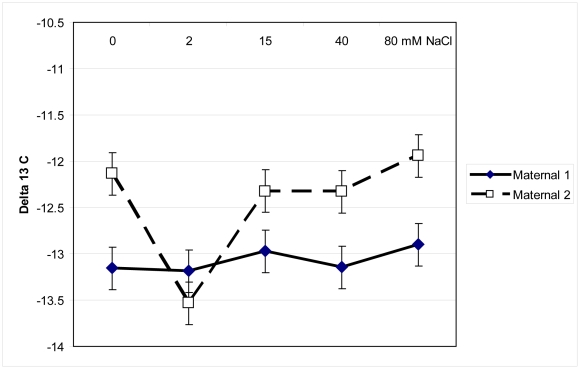
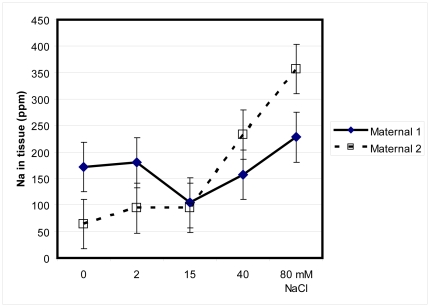
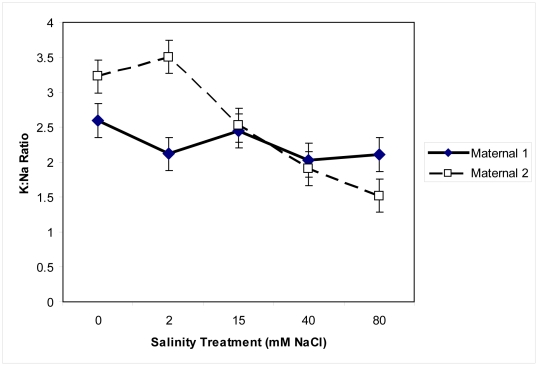
Understanding reasons for biodiversity loss is essential for developing conservation and management strategies and is becoming increasingly urgent with climate change. Growing at elevations <1.4 m in the Florida Keys, USA, the endangered Key tree cactus (Pilosocereus robinii) experienced 84 percent loss of total stems from 1994 to 2007. The most severe losses of 99 and 88 percent stems occurred in the largest populations in the Lower Keys, where nine storms with high wind velocities and storm surges, occurred during this period. In contrast, three populations had substantial stem proliferation. To evaluate possible mortality factors related to changes in climate or forest structure, we examined habitat variables: soil salinity, elevation, canopy cover, and habitat structure near 16 dying or dead and 18 living plants growing in the Lower Keys. Soil salinity and elevation were the preliminary factors that discriminated live and dead plants. Soil salinity was 1.5 times greater, but elevation was 12 cm higher near dead plants than near live plants. However, distribution-wide stem loss was not significantly related to salinity or elevation. Controlled salinity trials indicated that salt tolerance to levels above 40 mM NaCl was related to maternal origin. Salt sensitive plants from the Lower Keys had less stem growth, lower root:shoot ratios, lower potassium: sodium ratios and lower recovery rate, but higher δ (13)C than a salt tolerant lineage of unknown origin. Unraveling the genetic structure of salt tolerant and salt sensitive lineages in the Florida Keys will require further genetic tests. Worldwide rare species restricted to fragmented, low-elevation island habitats, with little or no connection to higher ground will face challenges from climate change-related factors. These great conservation challenges will require traditional conservation actions and possibly managed relocation that must be informed by studies such as these.
了解生物多样性丧失的原因对于制定保护和管理策略至关重要,随着气候变化的加剧,这一需求变得愈发紧迫。在美国佛罗里达州的基韦斯特,濒危的基特仙人掌(Pilosocereus robinii)生长在海拔低于 1.4 米的地方,1994 年至 2007 年间,其总茎数减少了 84%。在基韦斯特低地,最大的种群损失最为严重,茎数减少了 99%和 88%,在此期间,有九场风暴带来了高风速和风暴潮。相比之下,有三个种群的茎数大量增加。为了评估与气候变化或森林结构变化有关的可能死亡因素,我们检查了生境变量:土壤盐分、海拔、树冠覆盖度和在下基韦斯特生长的 16 株死亡或垂死植物和 18 株活植物附近的生境结构。土壤盐分和海拔是区分活植物和死植物的初步因素。靠近死亡植物的土壤盐分高出 1.5 倍,但海拔却比活植物高出 12 厘米。然而,分布广泛的茎损失与盐度或海拔无关。控制盐度的试验表明,对高于 40mMNaCl 的盐度的耐受能力与母本来源有关。来自基韦斯特低地的盐敏感植物的茎生长较少、根/茎比值较低、钾/钠比值较低、恢复率较低,但比来源未知的盐耐受谱系的 δ(13)C 更高。揭示佛罗里达基特对盐敏感和盐耐受谱系的遗传结构需要进一步的遗传测试。全世界限制在碎片化、低海拔岛屿生境中的稀有物种,与高地几乎没有联系,将面临与气候变化相关因素有关的挑战。这些巨大的保护挑战将需要传统的保护行动,甚至可能需要受管理的重新安置,而这些行动必须以这些研究为依据。