Thailand Center of Excellence for Drug Discovery and Development (TCEDDD), Thammasat University, Pathumthani, Thailand.
BMC Complement Altern Med. 2012 Mar 27;12:23. doi: 10.1186/1472-6882-12-23.
Chemotherapy of cholangiocarcinoma (CCA), a devastating cancer with increasing worldwide incidence and mortality rates, is largely ineffective. The discovery and development of effective chemotherapeutics is urgently needed.
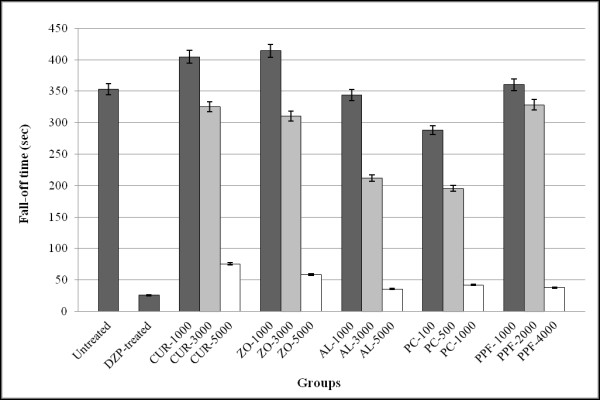
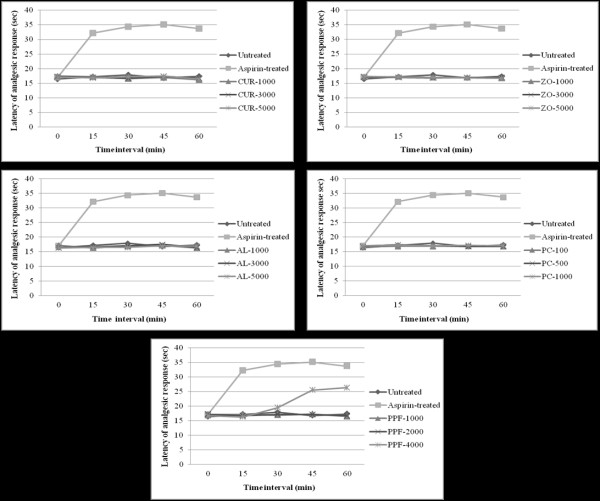
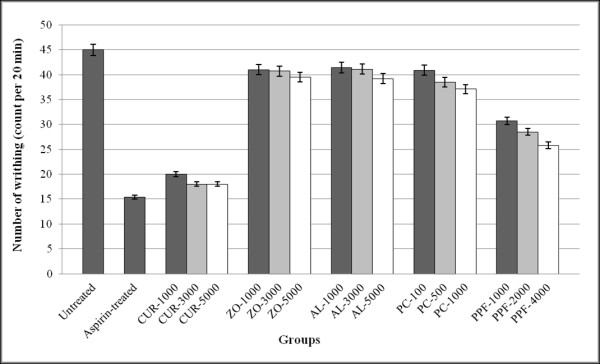
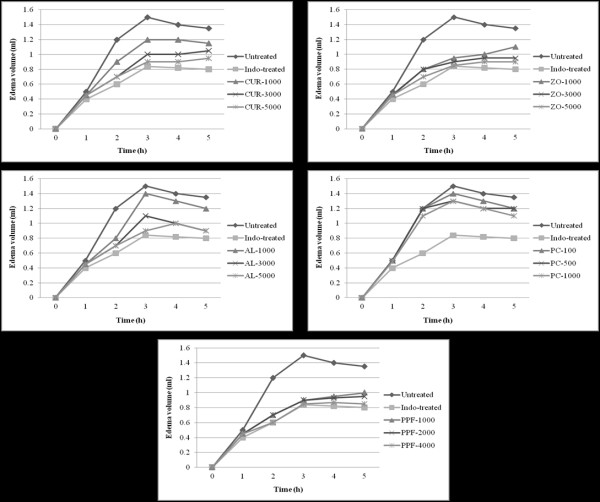
METHODS/DESIGN: The study aimed at evaluating anticancer activities, toxicity, and pharmacological activities of the curcumin compound (CUR), the crude ethanolic extracts of rhizomes of Zingiber officinale Roscoe (Ginger: ZO) and Atractylodes lancea thung. DC (Khod-Kha-Mao: AL), fruits of Piper chaba Hunt. (De-Plee: PC), and Pra-Sa-Prao-Yhai formulation (a mixture of parts of 18 Thai medicinal plants: PPF) were investigated in animal models. Anti-cholangiocarcinoma (anti-CCA) was assessed using CCA-xenograft nude mouse model. The antihypertensive, analgesic, anti-inflammatory, antipyretic, and anti-ulcer activities and effects on motor coordination were investigated using Rota-rod test, CODA tail-cuff system, writhing and hot plate tests, carrageenan-induced paw edema test, brewer's yeast test, and alcohol-induced gastric ulcer test, respectively. Acute and subacute toxicity tests were performed according to the OECD guideline for testing of chemicals with modification.
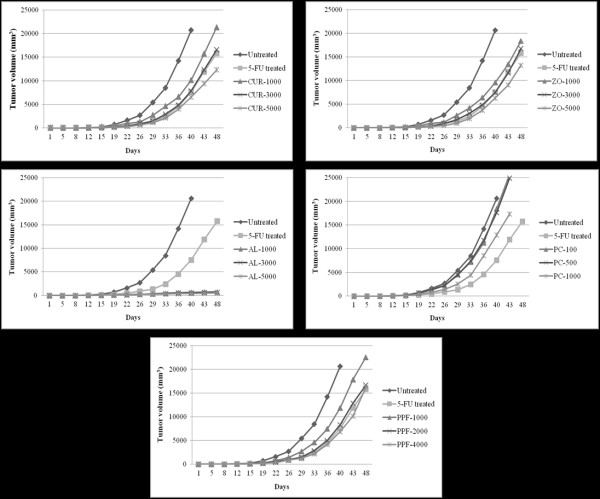
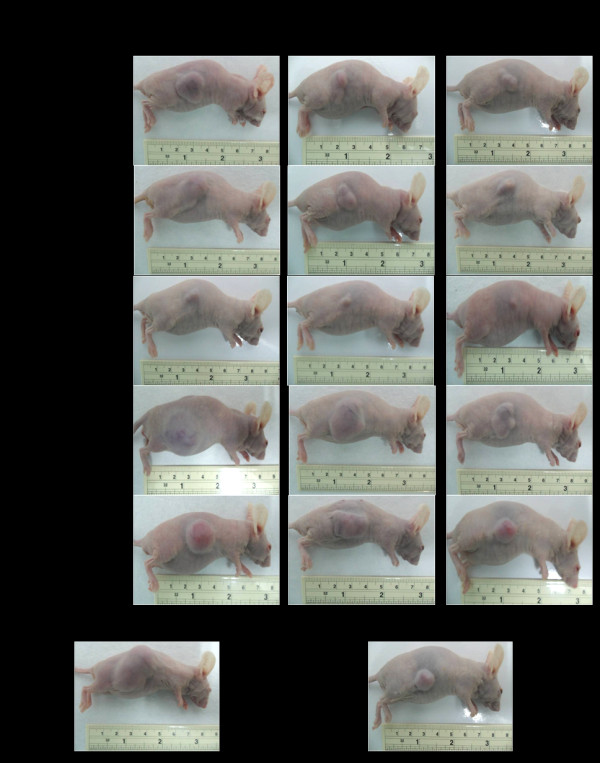
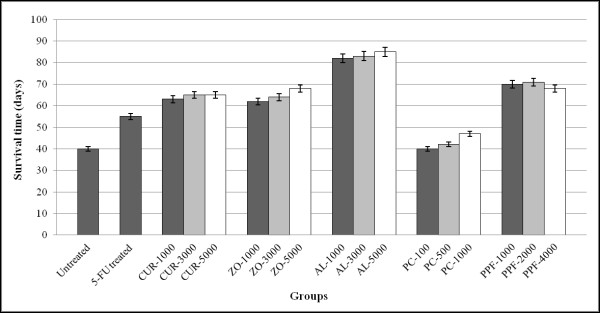
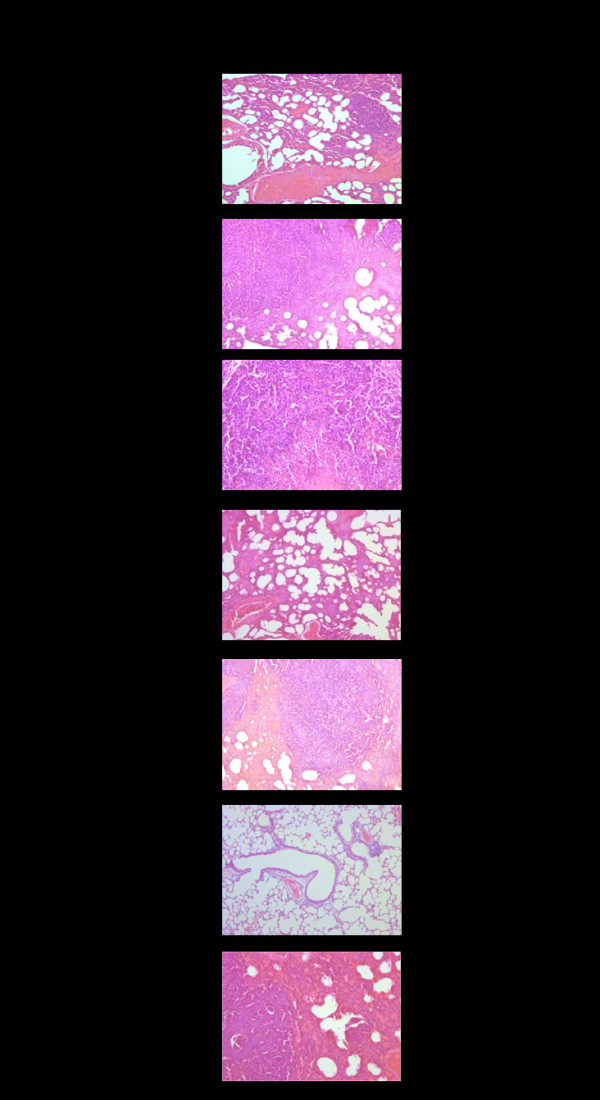
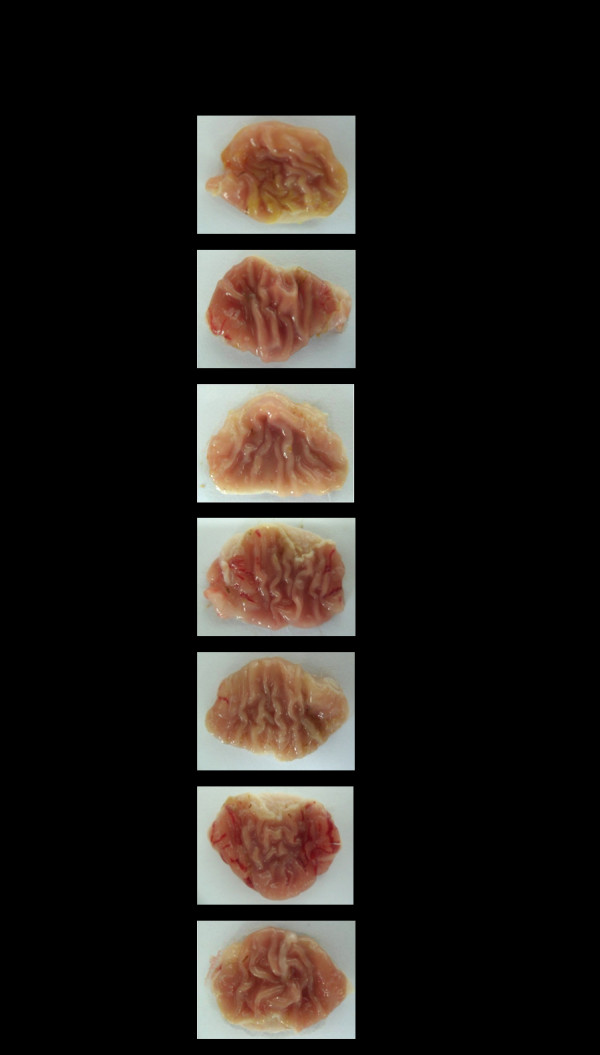
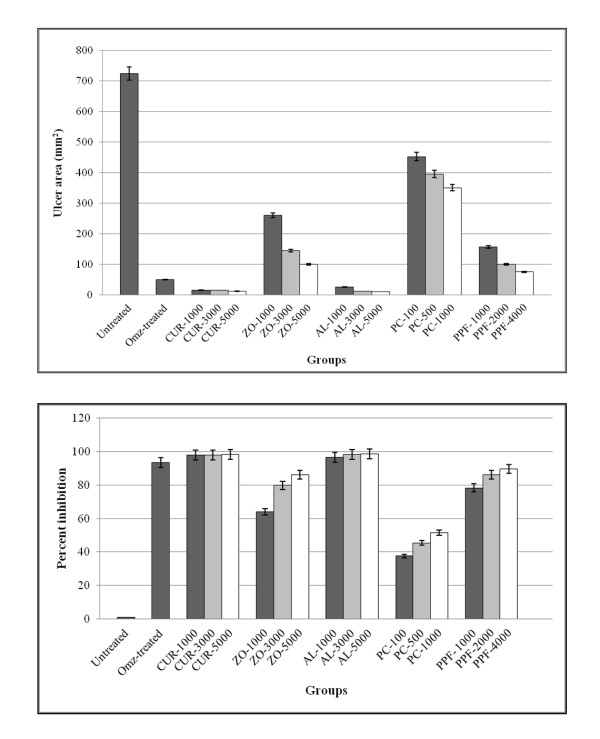
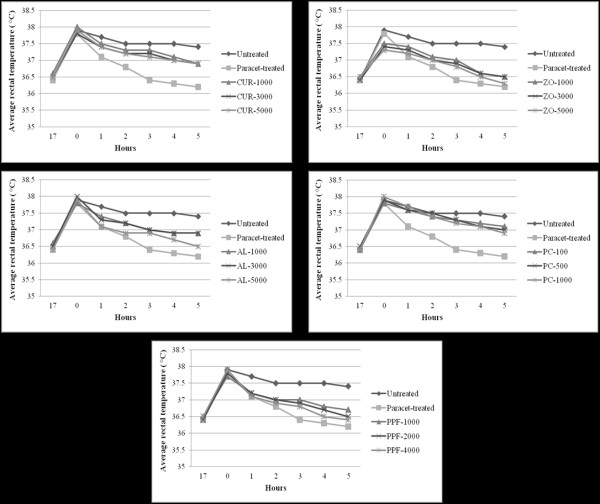
Promising anticancer activity against CCA in nude mouse xenograft model was shown for the ethanolic extract of AL at all oral dose levels (1000, 3000, and 5000 mg/kg body weight) as well as the extracts of ZO, PPF, and CUR compound at the highest dose level (5000, 4000, and 5000 mg/kg body weight, respectively). PC produced no significant anti-CCA activity. Results from acute and subacute toxicity tests both in mice and rats indicate safety profiles of all the test materials in a broad range of dose levels. No significant toxicity except stomach irritation and general CNS depressant signs were observed. Investigation of pharmacological activities of the test materials revealed promising anti-inflammatory (ZO, PPF, and AL), analgesic (CUR and PPF), antipyretic (CUR and AL), antihypertensive (ZO and AL), and anti-ulcer (CUR, ZO, and AL) activities.
Plants used in Thai traditional medicine for the treatment of various ailments may provide reservoirs of promising candidate chemotherapeutics for the treatment of CCA.
胆管癌(CCA)是一种毁灭性的癌症,其全球发病率和死亡率不断上升,目前的化疗效果大多不佳。因此,迫切需要开发有效的化疗药物。
方法/设计:本研究旨在评估姜黄化合物(CUR)、姜根茎的粗醇提取物(ZO)、白术根茎(AL)、胡椒(PC)的果实和 Pra-Sa-Prao-Yhai 配方(18 种泰国药用植物的混合物:PPF)的抗癌活性、毒性和药理学活性,在动物模型中进行研究。使用 CCA 异种移植裸鼠模型评估抗胆管癌(抗 CCA)活性。使用旋转棒试验、CODA 尾套系统、扭体和热板试验、角叉菜胶诱导的爪肿胀试验、啤酒酵母试验和酒精诱导的胃溃疡试验分别评估抗高血压、镇痛、抗炎、解热和抗溃疡活性以及对运动协调的影响。根据 OECD 化学品测试指南进行急性和亚急性毒性测试,并进行修改。
在所有口服剂量水平(1000、3000 和 5000mg/kg 体重)下,AL 的醇提取物以及 ZO、PPF 和 CUR 化合物的提取物在裸鼠异种移植模型中均显示出有希望的抗 CCA 活性,最高剂量水平(5000、4000 和 5000mg/kg 体重,分别)。PC 没有产生显著的抗 CCA 活性。在小鼠和大鼠中进行的急性和亚急性毒性测试结果表明,所有测试材料在广泛的剂量范围内均具有安全特性。除了胃刺激和一般中枢神经系统抑制剂迹象外,没有观察到明显的毒性。对测试材料的药理学活性的研究表明,它们具有有希望的抗炎(ZO、PPF 和 AL)、镇痛(CUR 和 PPF)、解热(CUR 和 AL)、抗高血压(ZO 和 AL)和抗溃疡(CUR、ZO 和 AL)活性。
泰国传统医学中用于治疗各种疾病的植物可能为治疗 CCA 提供有希望的候选化疗药物。