Department of Medical Cell Biology, Institute of Molecular Embryology and Genetics, the Global Center of Excellence 'Cell Fate Regulation Research and Education Unit', Kumamoto University, 860-0811, Japan.
Nat Commun. 2012 Mar 27;3:758. doi: 10.1038/ncomms1755.
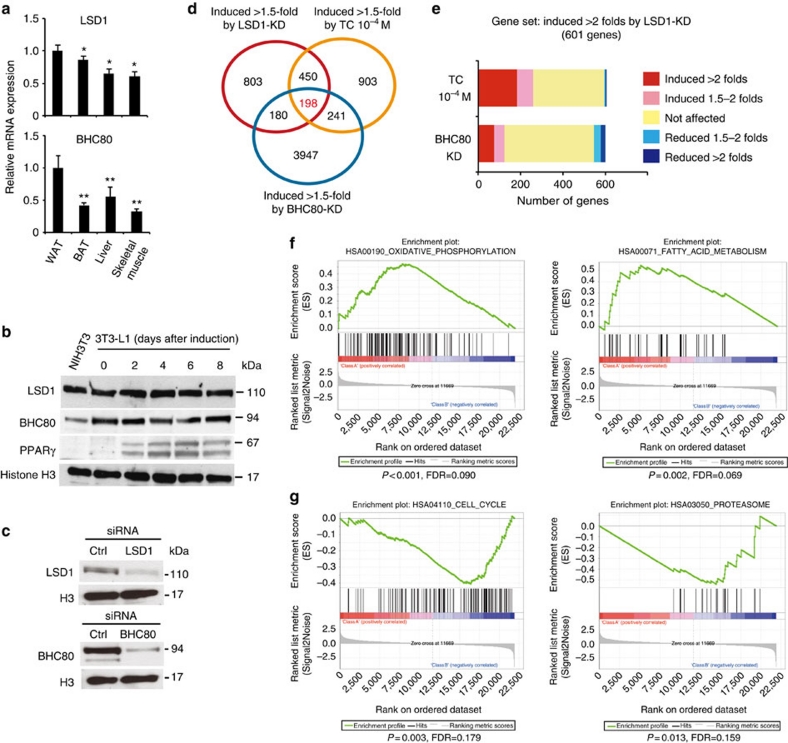
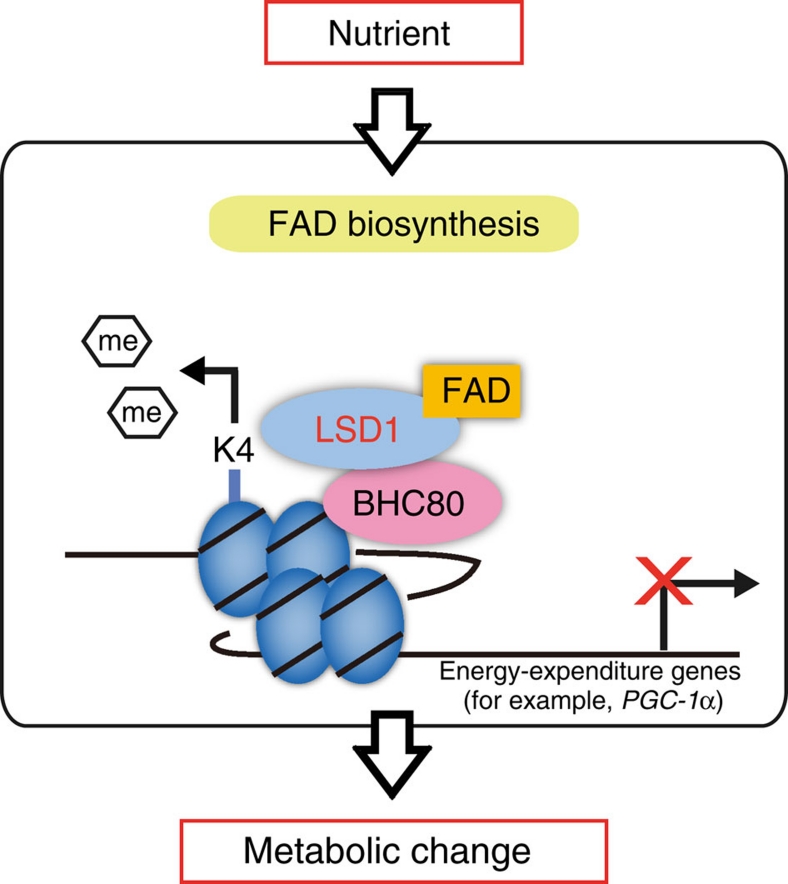
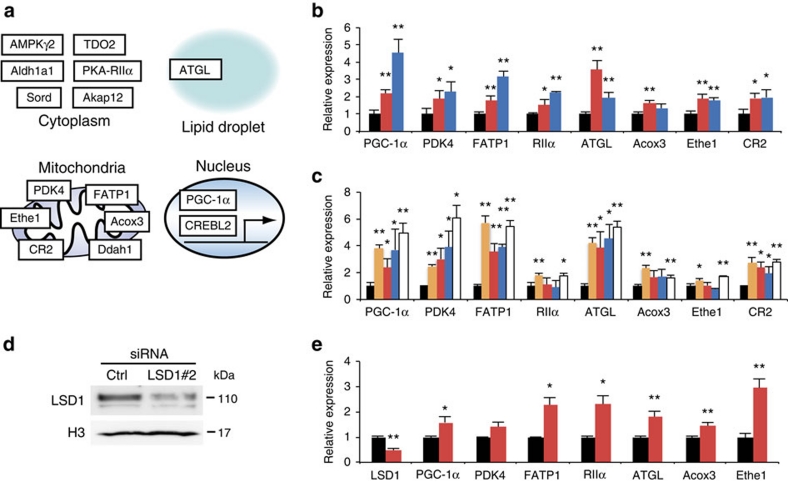
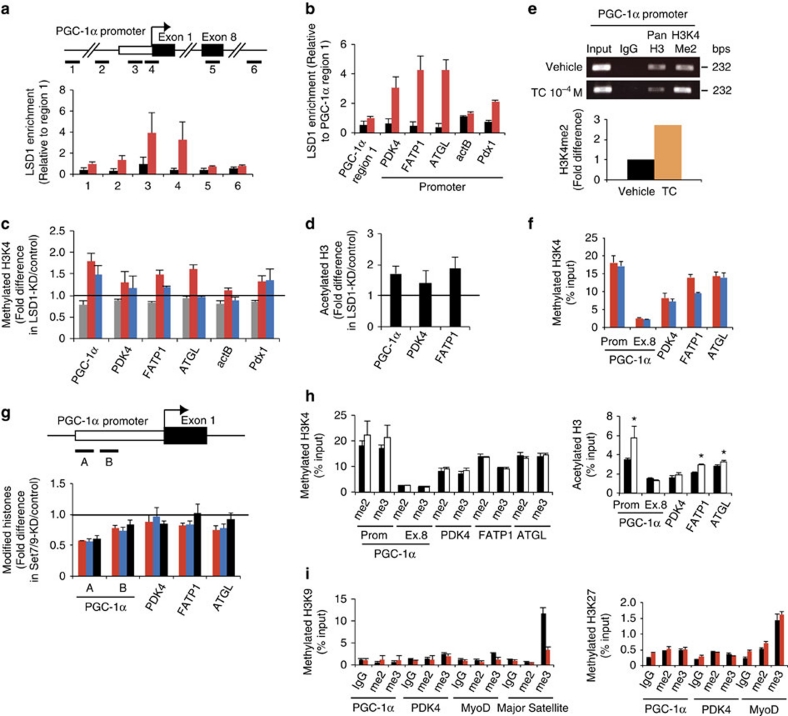
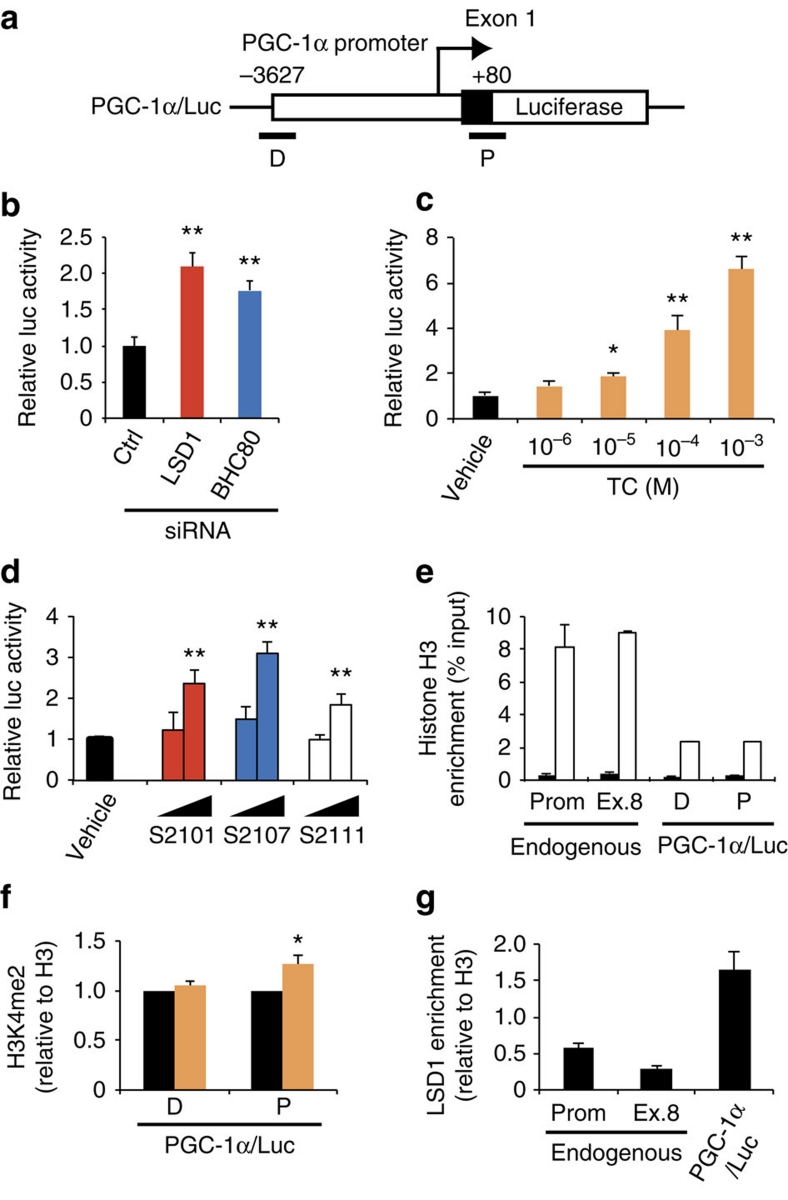
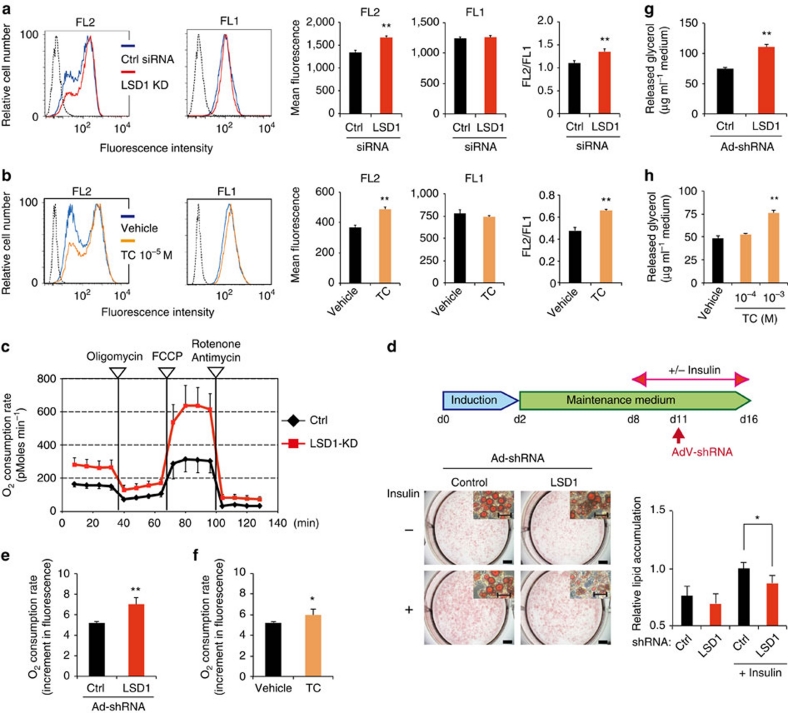
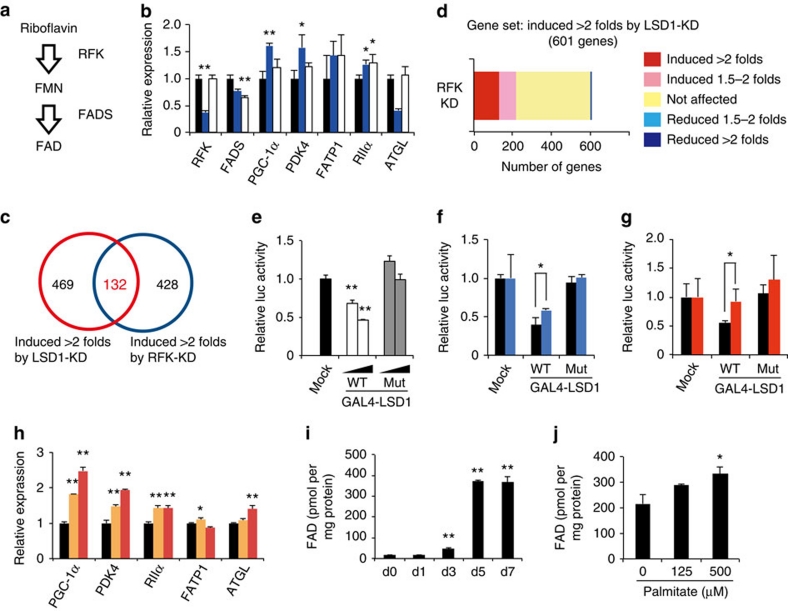
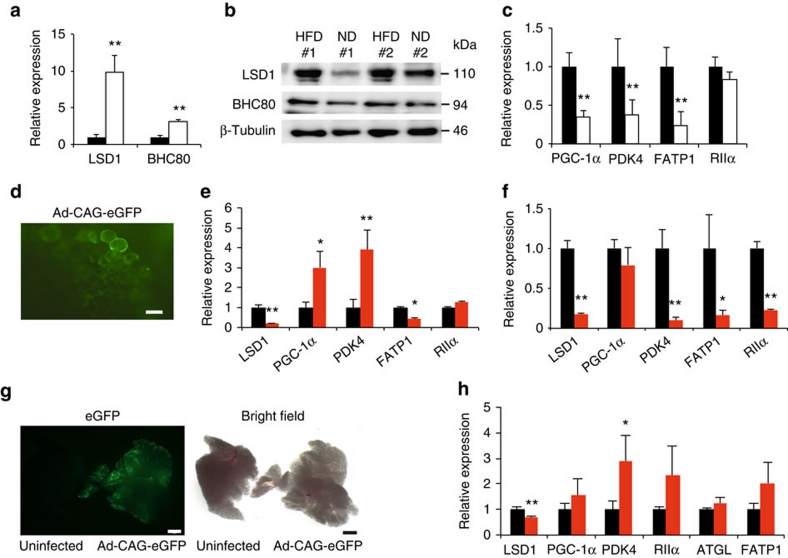
Environmental factors such as nutritional state may act on the epigenome that consequently contributes to the metabolic adaptation of cells and the organisms. The lysine-specific demethylase-1 (LSD1) is a unique nuclear protein that utilizes flavin adenosine dinucleotide (FAD) as a cofactor. Here we show that LSD1 epigenetically regulates energy-expenditure genes in adipocytes depending on the cellular FAD availability. We find that the loss of LSD1 function, either by short interfering RNA or by selective inhibitors in adipocytes, induces a number of regulators of energy expenditure and mitochondrial metabolism such as PPARγ coactivator-1α resulting in the activation of mitochondrial respiration. In the adipose tissues from mice on a high-fat diet, expression of LSD1-target genes is reduced, compared with that in tissues from mice on a normal diet, which can be reverted by suppressing LSD1 function. Our data suggest a novel mechanism where LSD1 regulates cellular energy balance through coupling with cellular FAD biosynthesis.
环境因素,如营养状态,可能会作用于表观基因组,从而促进细胞和生物体的代谢适应。赖氨酸特异性去甲基酶-1(LSD1)是一种独特的核蛋白,利用黄素腺嘌呤二核苷酸(FAD)作为辅助因子。在这里,我们表明 LSD1 根据细胞内 FAD 的可用性,在脂肪细胞中对能量消耗基因进行表观遗传调控。我们发现 LSD1 功能的丧失,无论是通过短发夹 RNA 还是通过选择性抑制剂在脂肪细胞中,都会诱导大量的能量消耗和线粒体代谢调节剂,如过氧化物酶体增殖物激活受体γ共激活因子-1α,从而导致线粒体呼吸的激活。在高脂肪饮食的小鼠的脂肪组织中,与正常饮食的小鼠相比,LSD1 靶基因的表达减少,而通过抑制 LSD1 的功能可以逆转这种情况。我们的数据表明了一种新的机制,即 LSD1 通过与细胞内 FAD 生物合成偶联来调节细胞能量平衡。