Olufemi Akanni E, Terry Alli O A, Kola Oloke J
Hematology Division, Department of Biomedical Science, College of Health Sciences, Ladoke Akintola University of Technology, Osogbo, Nigeria.
Korean J Hematol. 2012 Mar;47(1):67-73. doi: 10.5045/kjh.2012.47.1.67. Epub 2012 Mar 28.
The use of natural bioactive compounds in conventional chemotherapy is a new direction in cancer treatment that is gaining more research attention recently. Bioactive polysaccharides and polysaccharide-protein complexes from some fungi (edible mushrooms) have been identified as sources of effective and non-toxic antineoplastic agents. Selected oyster mushrooms (Pleurotus pulmonarius and P. ostreatus being local [Nigeria] and exotic strains, respectively) were cultured on a novel medium of yeast extract supplemented with an ethanolic extract of Annona senegalensis, and the antileukemic potential of their metabolites was studied.
Leukemia was successfully induced in Wister rats by intravenous injection (0.2 mL) of a benzene solution every 2 days for 3 consecutive weeks. The aqueous solution of fungal metabolites (20 mg/mL) produced by submerged fermentation was orally administered (0.2 mL) before, during, and after leukemia induction. Leukemia burden was assessed by comparing the hematological parameters at baseline and after leukemia induction. The immunomodulatory potential of the metabolites was assessed by using a phagocytic assay (carbon clearance method). The ability to enhance leukopoiesis was assessed by using the total leukocyte count.
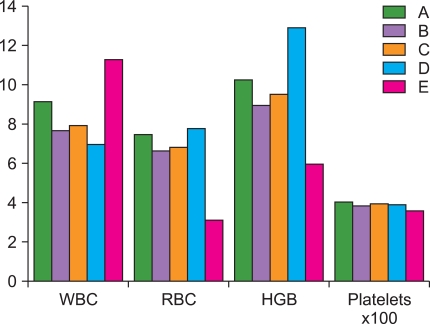
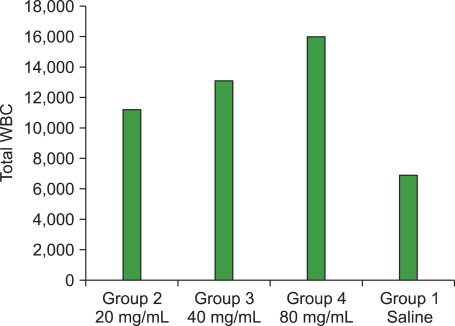
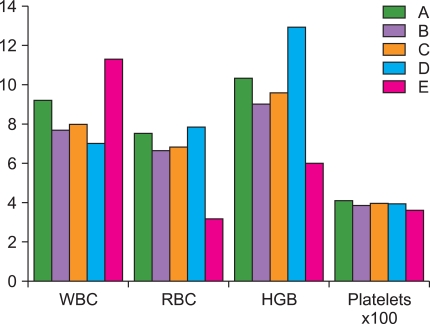
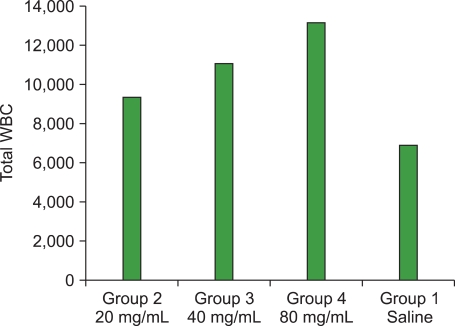
Leukemia induction resulted in significant anemia indices and leukocytosis (P<0.05) in the experimental rats. Both metabolites equally enhanced leukopoiesis and demonstrated phagocytic actions; P. ostreatus activity was significantly higher than that of P. pulmonarius (P<0.05).
The metabolites exhibited profound antileukemic potential by suppressing leukemia and demonstrating immunotherapeutic activities on animals after oral administration in various experimental groups.
在传统化疗中使用天然生物活性化合物是癌症治疗的一个新方向,最近受到了更多的研究关注。一些真菌(食用菌)中的生物活性多糖和多糖 - 蛋白质复合物已被确认为有效且无毒的抗肿瘤药物来源。选用平菇(分别为本地[尼日利亚]菌株肺形侧耳和外来菌株糙皮侧耳)在添加了塞内加尔番荔枝乙醇提取物的新型酵母提取物培养基上培养,并研究其代谢产物的抗白血病潜力。
通过每2天静脉注射(0.2 mL)苯溶液,连续3周,成功诱导Wistar大鼠患白血病。在白血病诱导前、诱导期间和诱导后,口服给予通过深层发酵产生的真菌代谢产物水溶液(20 mg/mL,0.2 mL)。通过比较基线和白血病诱导后的血液学参数评估白血病负担。使用吞噬试验(碳清除法)评估代谢产物的免疫调节潜力。使用总白细胞计数评估增强白细胞生成的能力。
白血病诱导导致实验大鼠出现显著的贫血指标和白细胞增多(P<0.05)。两种代谢产物均同样增强了白细胞生成并表现出吞噬作用;糙皮侧耳的活性显著高于肺形侧耳(P<0.05)。
在各个实验组中,口服给药后,这些代谢产物通过抑制白血病并在动物身上表现出免疫治疗活性,展现出了强大的抗白血病潜力。