Department of Physiology and Neurobiology, Dartmouth Medical School, Hanover, NH 03755, USA.
Trends Neurosci. 2012 Jun;35(6):382-92. doi: 10.1016/j.tins.2012.03.001. Epub 2012 Apr 18.
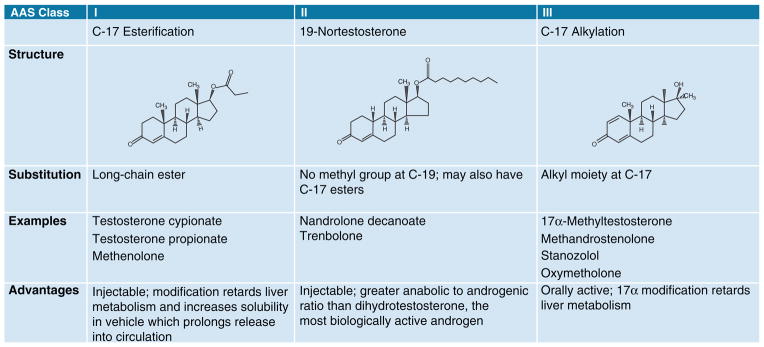
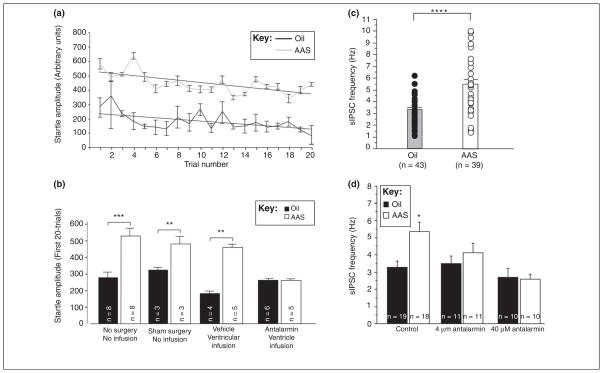
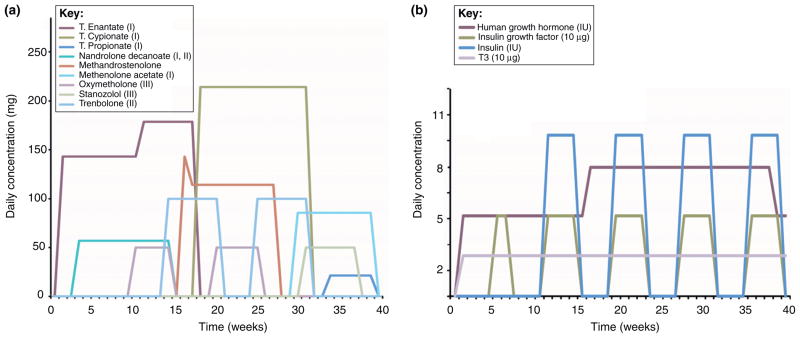
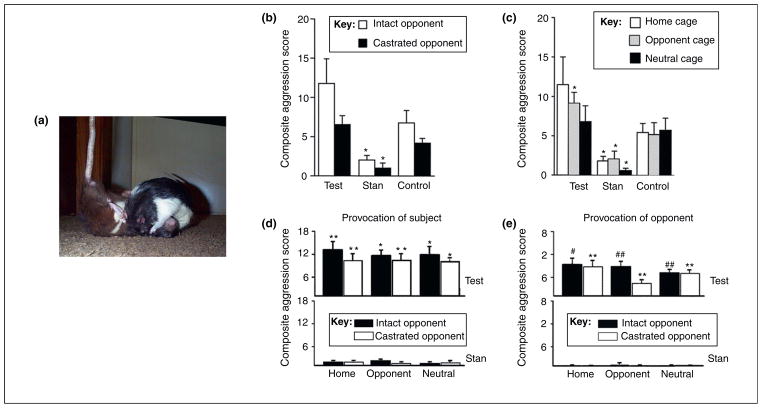
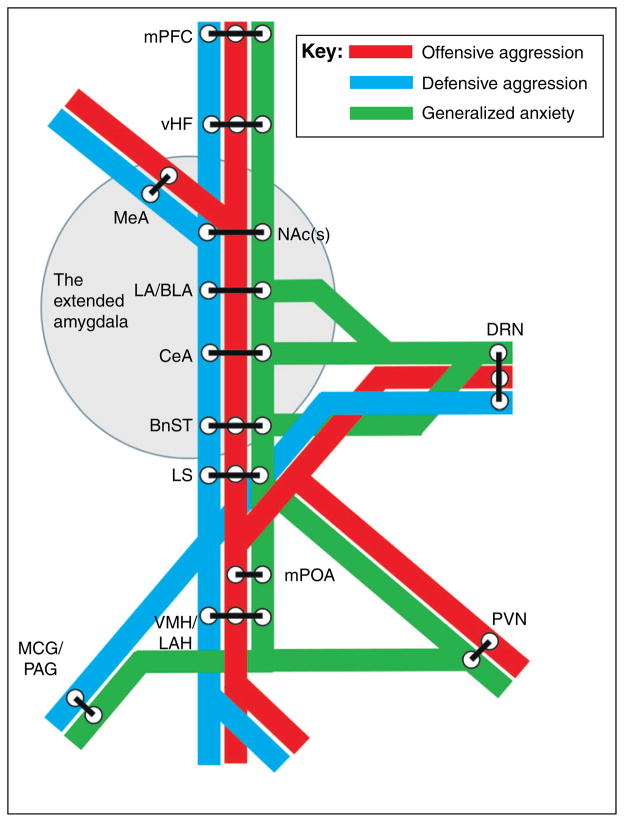
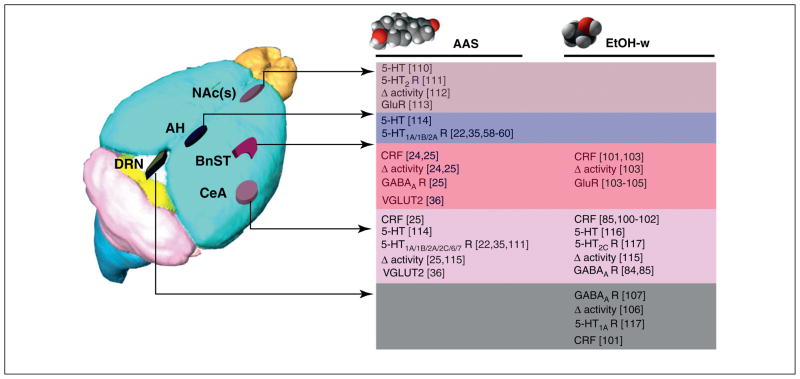
Anabolic androgenic steroids (AAS) are illicitly administered to enhance athletic performance and body image. Although conferring positive actions on performance, steroid abuse is associated with changes in anxiety and aggression. AAS users are often keenly invested in understanding the biological actions of these drugs. Thus, mechanistic information on AAS actions is important not only for the biomedical community, but also for steroid users. Here we review findings from animal studies on the impact of AAS exposure on neural systems that are crucial for the production of anxiety and aggression, and compare the effects of the different classes of AAS and their potential signaling mechanisms, as well as context-, age- and sex-dependent aspects of their actions.
合成代谢雄激素类固醇(AAS)被非法使用以提高运动表现和身体形象。尽管类固醇滥用对运动表现有积极作用,但它与焦虑和攻击行为的改变有关。AAS 用户通常热衷于了解这些药物的生物学作用。因此,关于 AAS 作用的机制信息不仅对生物医学社区很重要,对类固醇使用者也很重要。在这里,我们回顾了关于 AAS 暴露对产生焦虑和攻击的神经系统的影响的动物研究结果,并比较了不同类别的 AAS 的作用及其潜在的信号机制,以及它们作用的情境、年龄和性别依赖性方面。