Basoli A, Cametti C, Satriani F Ginnari, Mariani P, Severino P
Department of Surgery, "P Stefanini," University of Rome "La Sapienza," Rome, Italy.
Vasc Health Risk Manag. 2012;8:197-204. doi: 10.2147/VHRM.S28979. Epub 2012 Mar 21.
It is presently unknown if stents used in the correction of artery stenosis are fully hemocompatible or if their implantation causes alterations at the level of the plasma membrane in red blood cells.
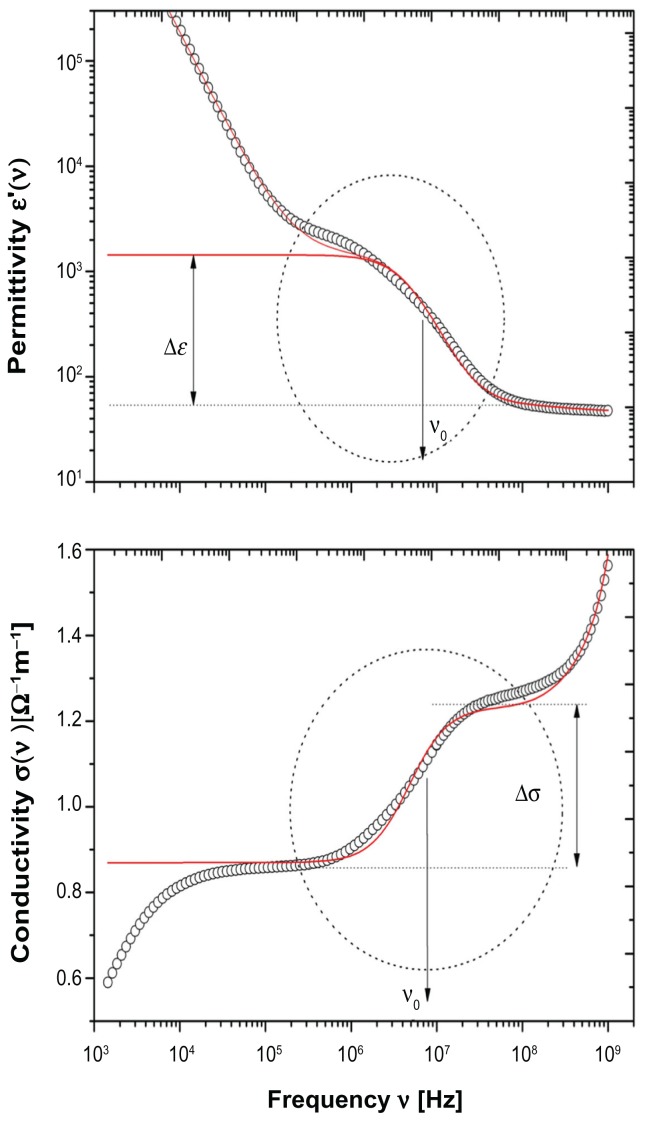
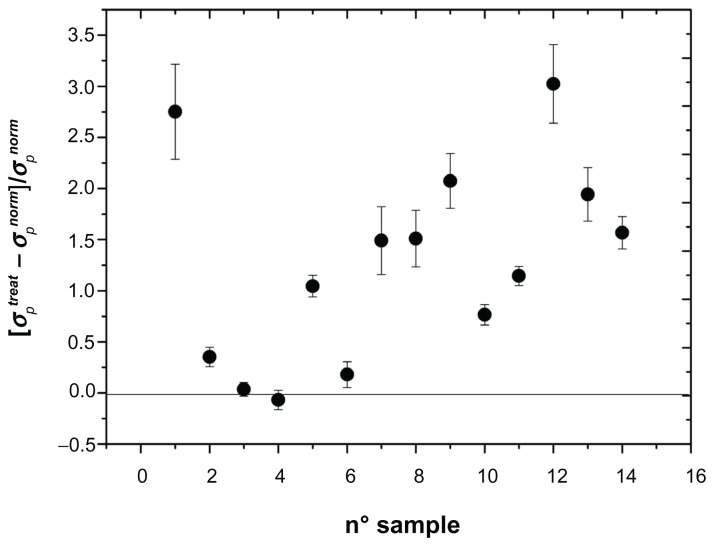
We addressed this important issue by measuring the passive electrical properties of the erythrocyte membrane before and after stent insertion by means of dielectric relaxation spectroscopy in the radiowave frequency range in a series of patients who were undergoing standard surgical treatment of arterial disease.
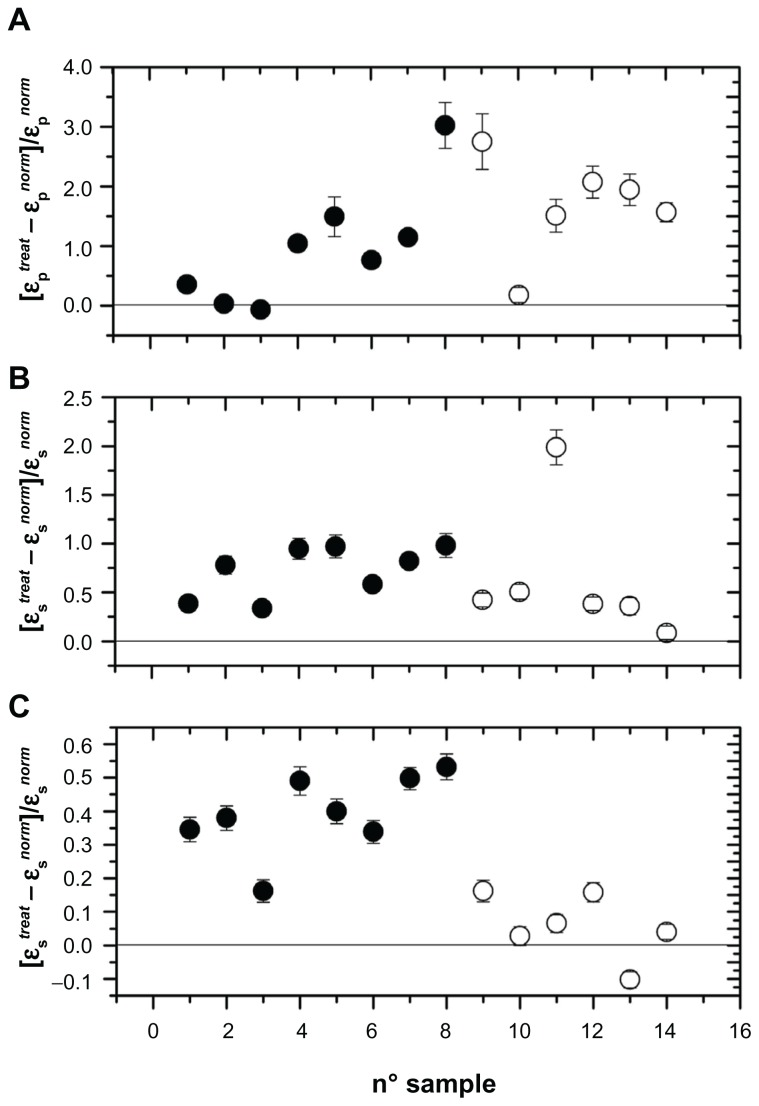
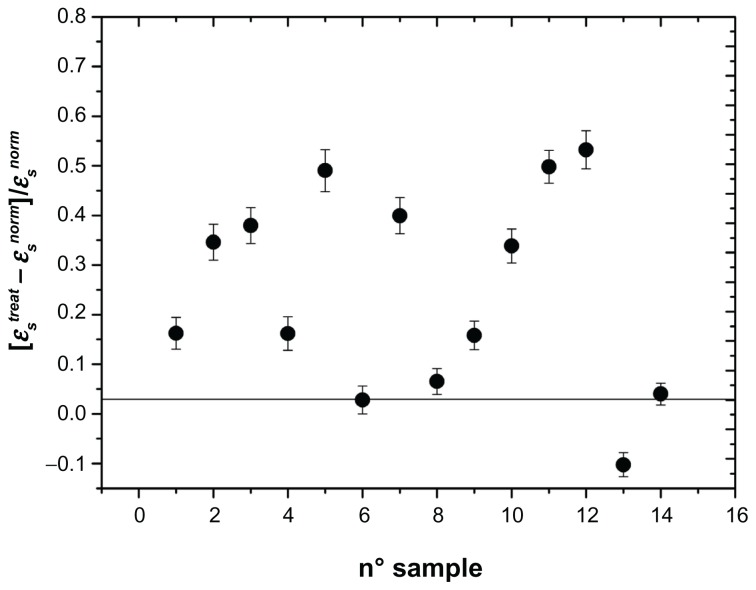
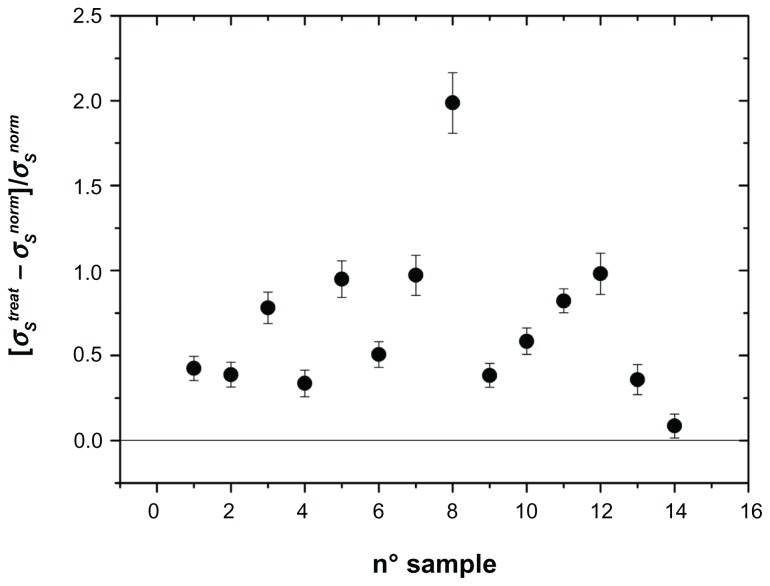
Our findings provide evidence that full hemocompatibility of stents has not yet been reached, and that there are some measurable alterations in the passive electrical behavior of the red blood cell membrane induced by the presence of the stent.
It is possible that these changes do not have any physiological significance and simply reflect the intrinsic variability of biological samples. However, caution is urged, and the technique we describe here should be considered when investigating the hemocompatibility of a medical device at a cell membrane level.
目前尚不清楚用于矫正动脉狭窄的支架是否完全具有血液相容性,或者其植入是否会导致红细胞质膜水平的改变。
我们通过在一系列接受动脉疾病标准手术治疗的患者中,利用无线电波频率范围内的介电弛豫光谱法测量支架植入前后红细胞膜的被动电学性质,来解决这个重要问题。
我们的研究结果表明,支架尚未达到完全的血液相容性,并且支架的存在会导致红细胞膜的被动电学行为出现一些可测量的改变。
这些变化可能没有任何生理意义,仅仅反映了生物样本的内在变异性。然而,仍需谨慎,在研究医疗器械在细胞膜水平的血液相容性时,应考虑我们在此描述的技术。