College of Mechatronics and Automation, National University of Defense Technology, Changsha, Hunan, People's Republic of China.
PLoS One. 2012;7(5):e36147. doi: 10.1371/journal.pone.0036147. Epub 2012 May 8.
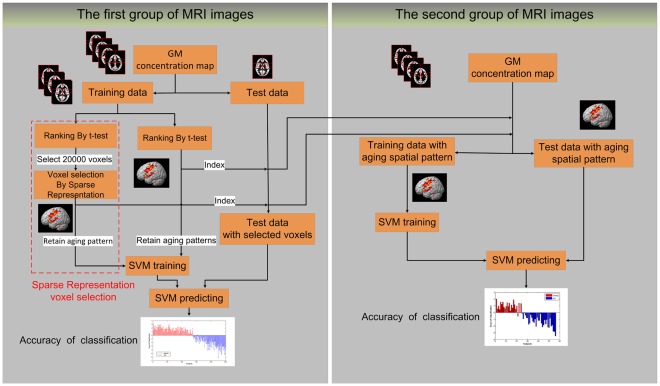
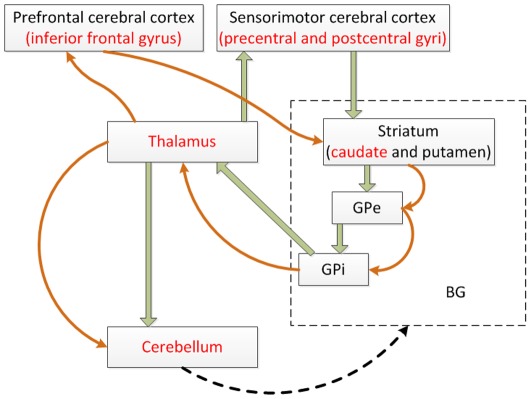
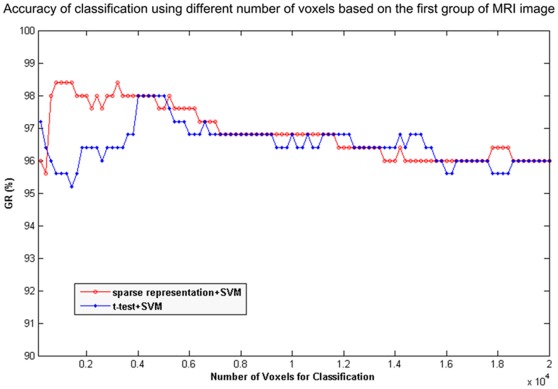
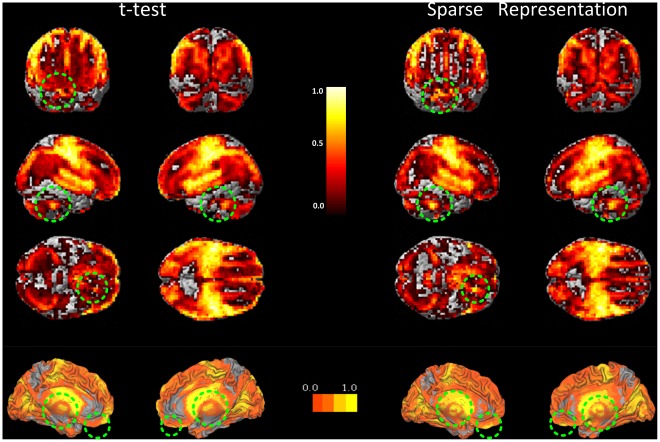
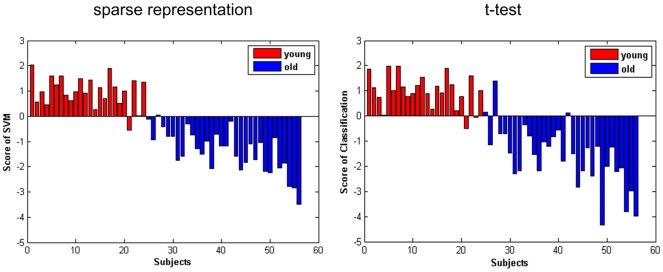
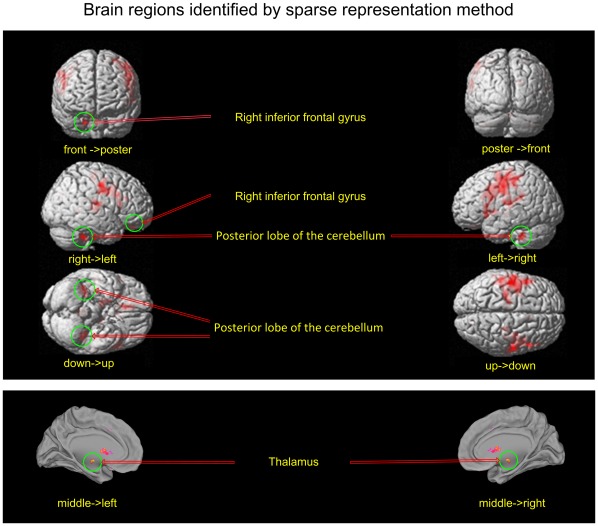
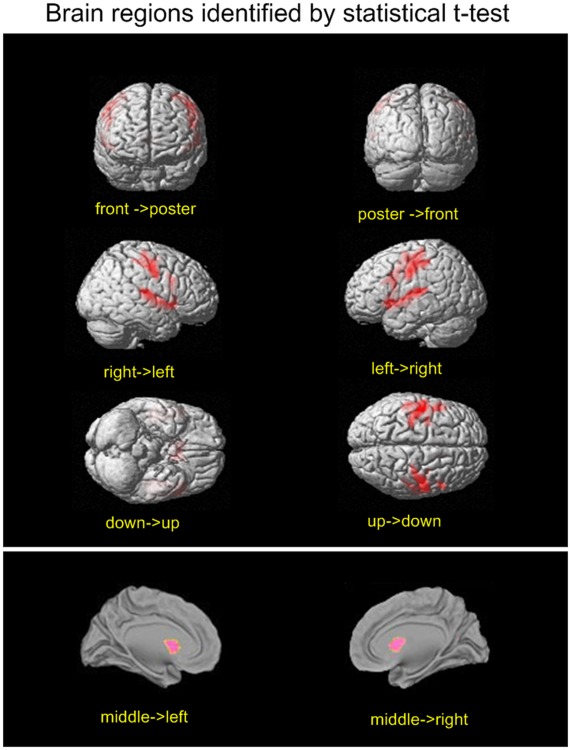
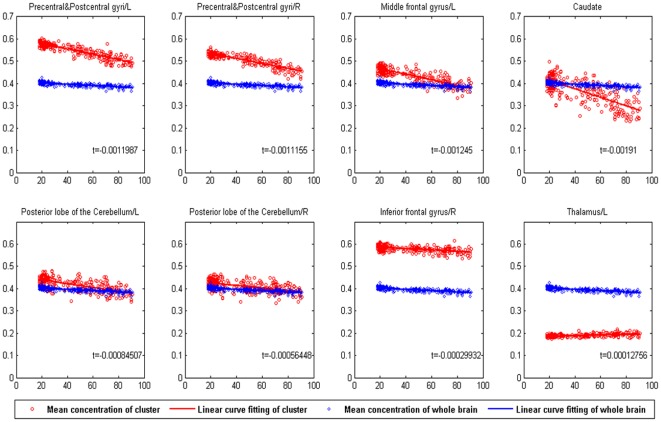
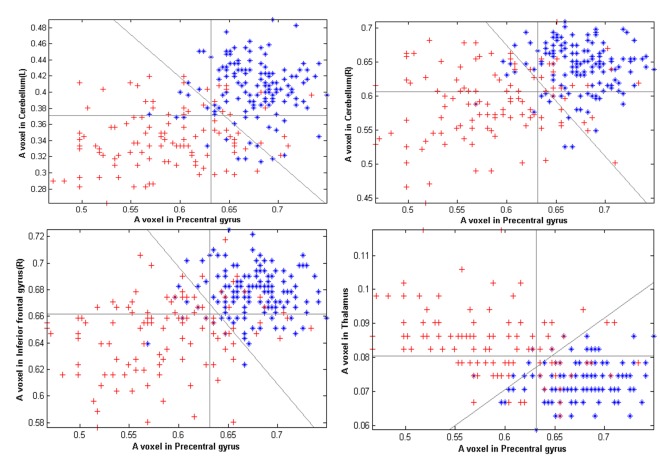
An enhanced understanding of how normal aging alters brain structure is urgently needed for the early diagnosis and treatment of age-related mental diseases. Structural magnetic resonance imaging (MRI) is a reliable technique used to detect age-related changes in the human brain. Currently, multivariate pattern analysis (MVPA) enables the exploration of subtle and distributed changes of data obtained from structural MRI images. In this study, a new MVPA approach based on sparse representation has been employed to investigate the anatomical covariance patterns of normal aging. Two groups of participants (group 1:290 participants; group 2:56 participants) were evaluated in this study. These two groups were scanned with two 1.5 T MRI machines. In the first group, we obtained the discriminative patterns using a t-test filter and sparse representation step. We were able to distinguish the young from old cohort with a very high accuracy using only a few voxels of the discriminative patterns (group 1:98.4%; group 2:96.4%). The experimental results showed that the selected voxels may be categorized into two components according to the two steps in the proposed method. The first component focuses on the precentral and postcentral gyri, and the caudate nucleus, which play an important role in sensorimotor tasks. The strongest volume reduction with age was observed in these clusters. The second component is mainly distributed over the cerebellum, thalamus, and right inferior frontal gyrus. These regions are not only critical nodes of the sensorimotor circuitry but also the cognitive circuitry although their volume shows a relative resilience against aging. Considering the voxels selection procedure, we suggest that the aging of the sensorimotor and cognitive brain regions identified in this study has a covarying relationship with each other.
为了实现与年龄相关的精神疾病的早期诊断和治疗,迫切需要深入了解正常衰老如何改变大脑结构。结构磁共振成像(MRI)是一种可靠的技术,可用于检测人脑的年龄相关性变化。目前,多元模式分析(MVPA)可用于探索从结构 MRI 图像中获得的数据的细微和分布式变化。在这项研究中,使用基于稀疏表示的新 MVPA 方法来研究正常衰老的解剖协变模式。本研究评估了两组参与者(组 1:290 名参与者;组 2:56 名参与者)。这两组参与者使用两台 1.5T MRI 机器进行扫描。在第一组中,我们使用 t 检验滤波器和稀疏表示步骤获得了判别模式。我们仅使用判别模式的少数体素(组 1:98.4%;组 2:96.4%)就能够非常准确地将年轻组与老年组区分开来。实验结果表明,根据所提出方法的两个步骤,所选体素可以分为两个分量。第一分量集中在中央前回和中央后回以及尾状核,它们在感觉运动任务中起着重要作用。这些簇中观察到与年龄相关的最强体积减少。第二分量主要分布在小脑、丘脑和右侧额下回。这些区域不仅是感觉运动回路的关键节点,也是认知回路的关键节点,尽管它们的体积对衰老具有相对的弹性。考虑到体素选择过程,我们认为本研究中确定的感觉运动和认知脑区的衰老彼此之间存在协变关系。