Arthritis and Tissue Degeneration Program, Hospital for Special Surgery, New York, New York, USA.
Nat Immunol. 2012 May 20;13(7):642-50. doi: 10.1038/ni.2304.
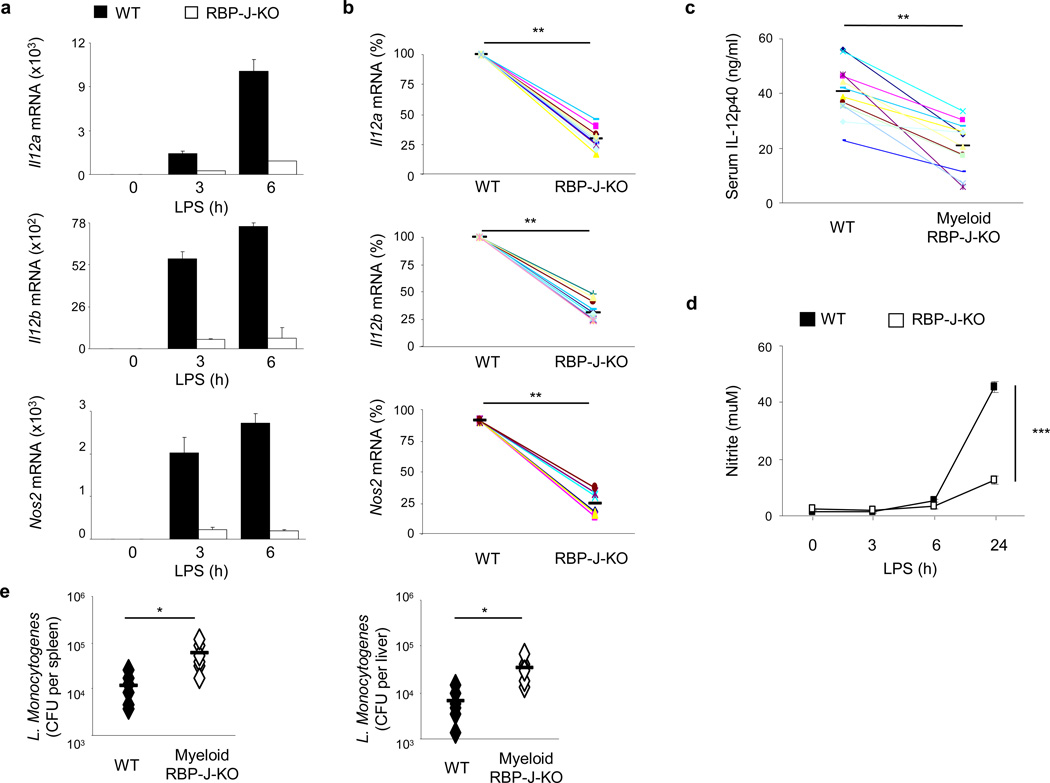
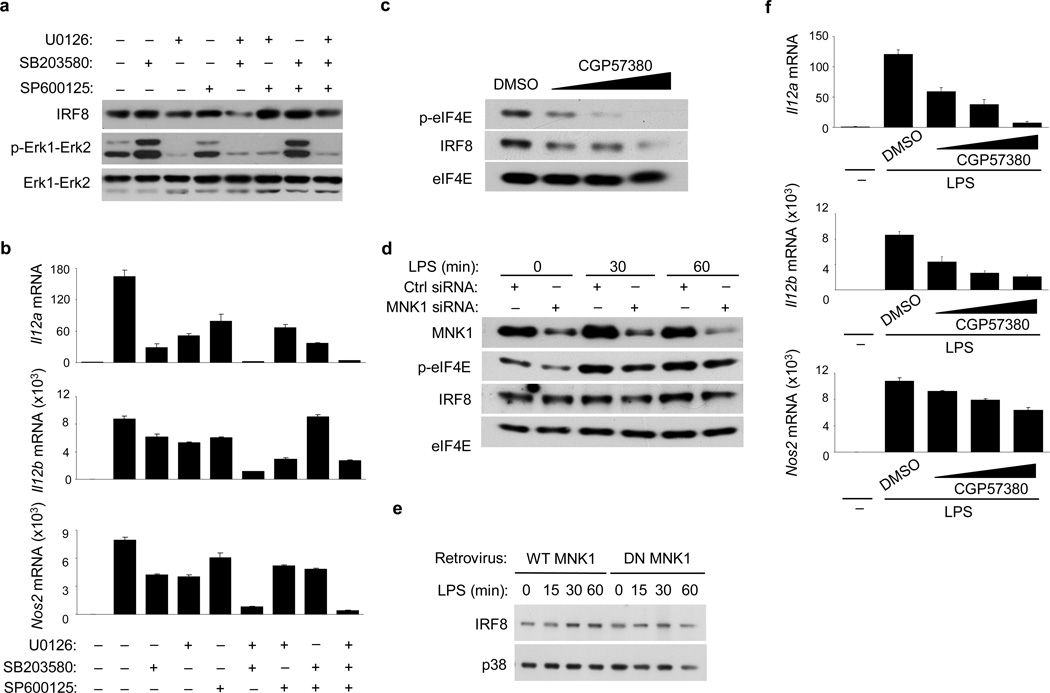
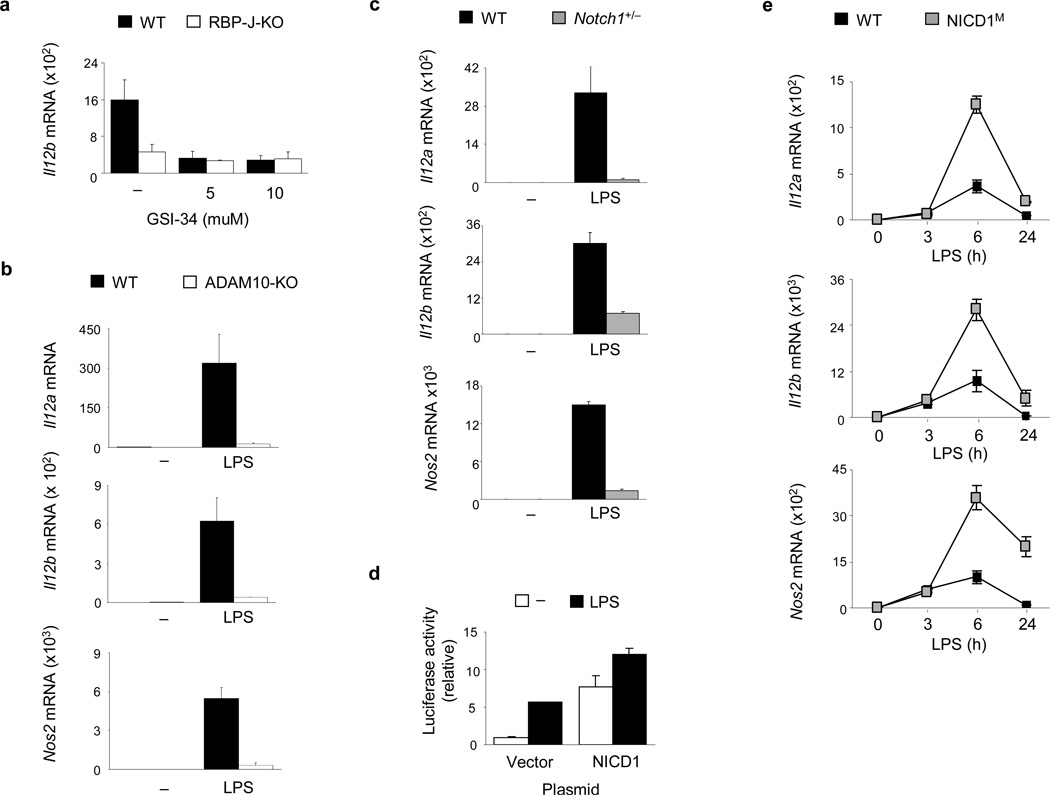
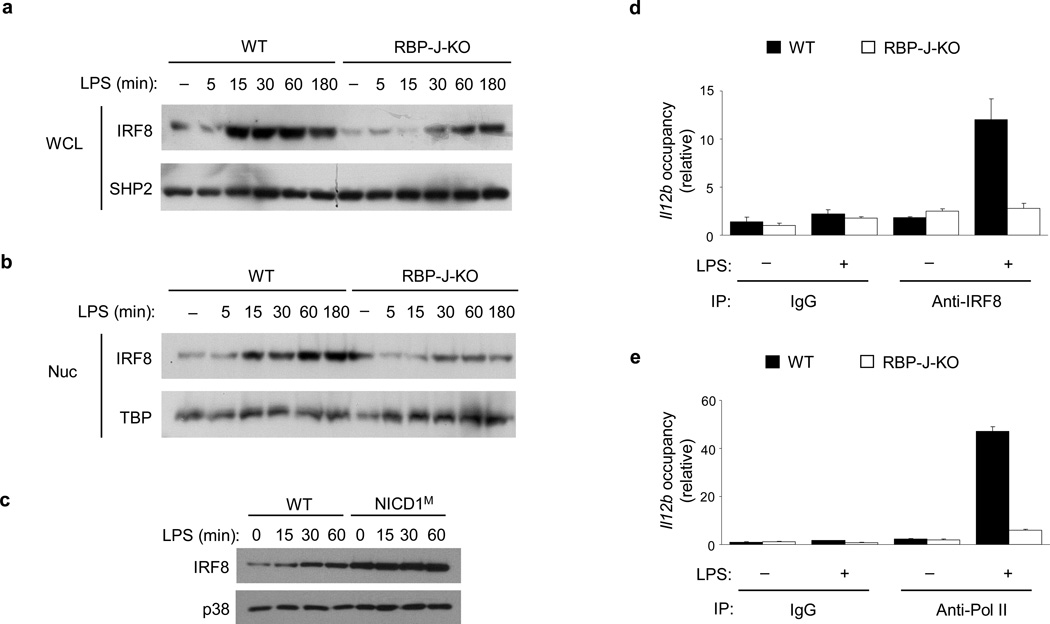
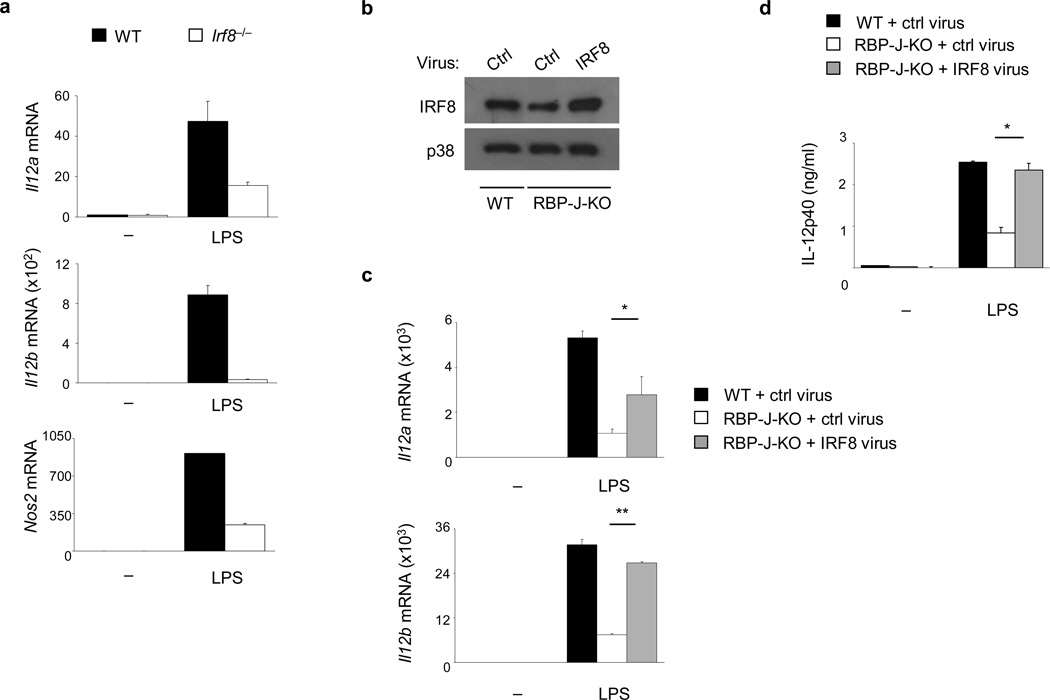
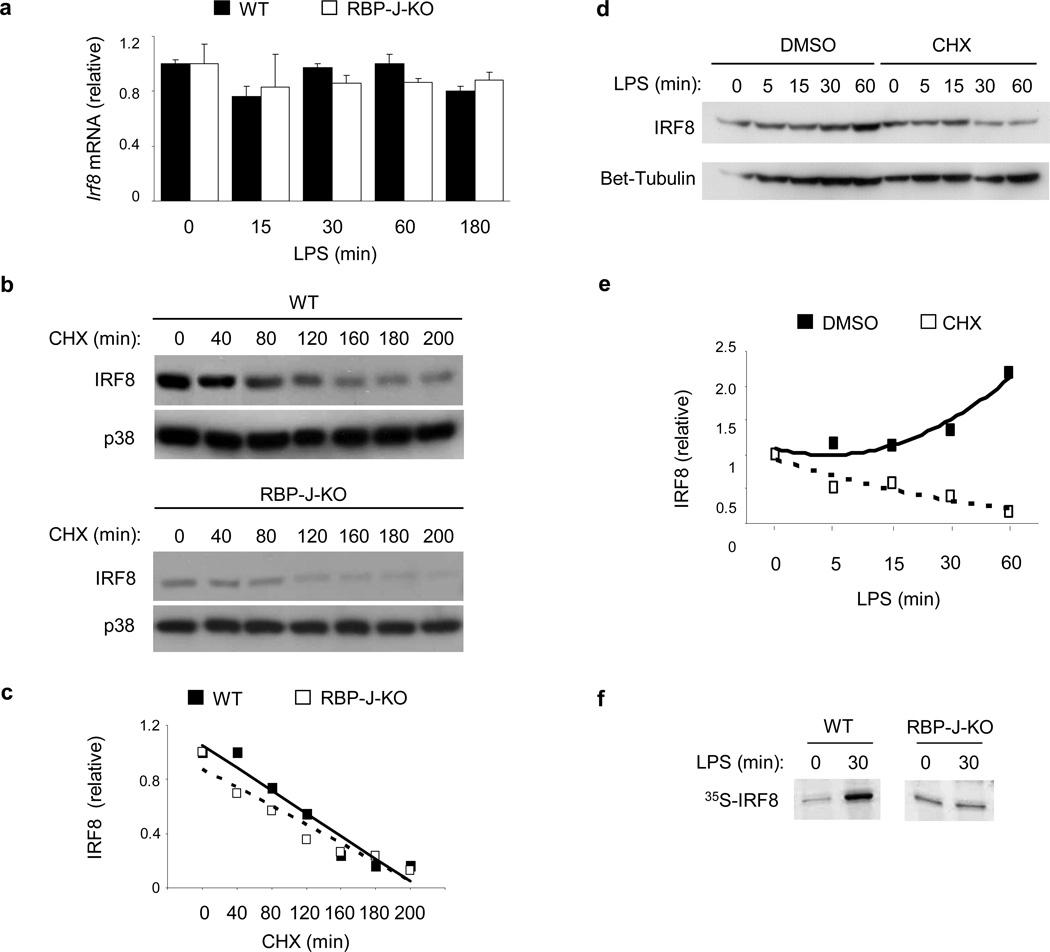
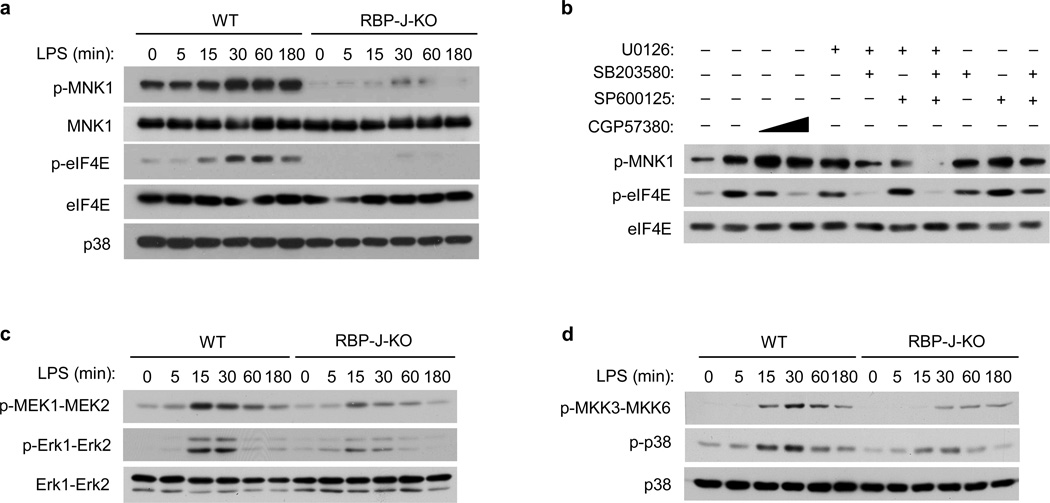
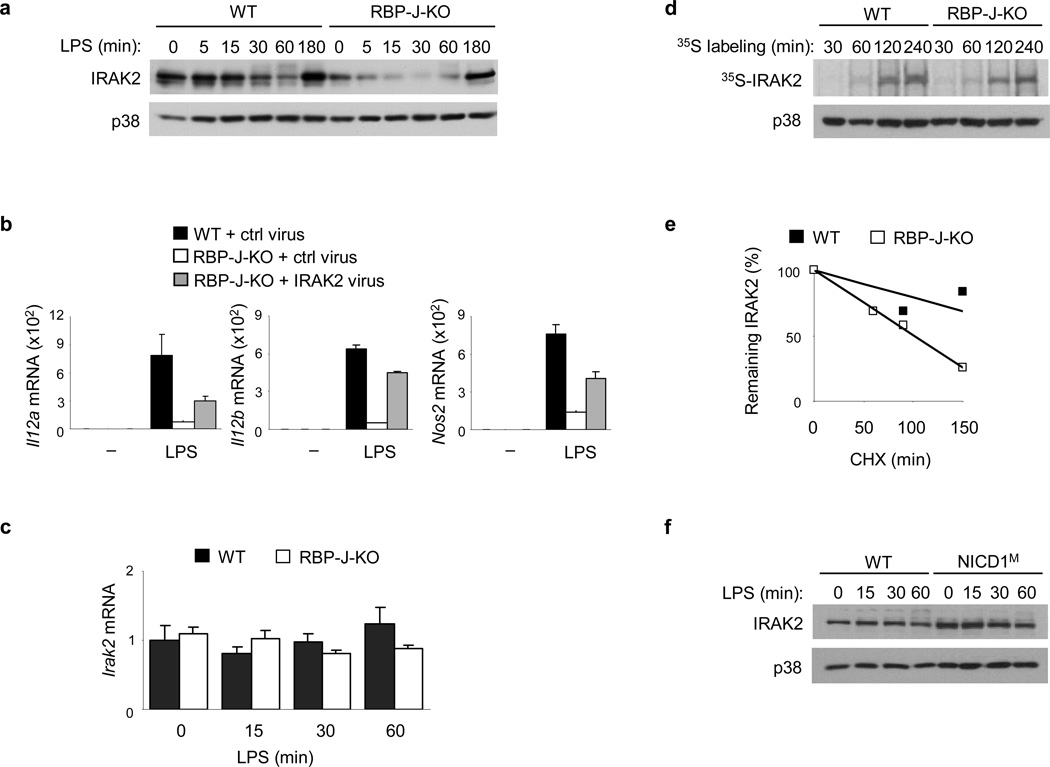
Emerging concepts suggest that the functional phenotype of macrophages is regulated by transcription factors that define alternative activation states. We found that RBP-J, the main nuclear transducer of signaling via Notch receptors, augmented Toll-like receptor 4 (TLR4)-induced expression of key mediators of classically activated M1 macrophages and thus of innate immune responses to Listeria monocytogenes. Notch-RBP-J signaling controlled expression of the transcription factor IRF8 that induced downstream M1 macrophage-associated genes. RBP-J promoted the synthesis of IRF8 protein by selectively augmenting kinase IRAK2-dependent signaling via TLR4 to the kinase MNK1 and downstream translation-initiation control through eIF4E. Our results define a signaling network in which signaling via Notch-RBP-J and TLRs is integrated at the level of synthesis of IRF8 protein and identify a mechanism by which heterologous signaling pathways can regulate the TLR-induced inflammatory polarization of macrophages.
新兴概念表明,巨噬细胞的功能表型受转录因子调控,这些转录因子决定了其不同的激活状态。我们发现,RBP-J 是 Notch 受体信号转导的主要核转导蛋白,可增强 Toll 样受体 4(TLR4)诱导的经典激活 M1 巨噬细胞关键介质的表达,从而增强对李斯特菌的固有免疫反应。Notch-RBP-J 信号控制转录因子 IRF8 的表达,诱导下游 M1 巨噬细胞相关基因。RBP-J 通过选择性增强 TLR4 信号转导至激酶 MNK1 和通过 eIF4E 控制下游翻译起始,从而促进了 IRF8 蛋白的合成。我们的结果定义了一个信号网络,其中 Notch-RBP-J 和 TLR 信号在 IRF8 蛋白合成水平上进行整合,并确定了异源信号通路可以调节 TLR 诱导的巨噬细胞炎症极化的机制。