Faculty of Chemistry, Lomonosov Moscow State University.
Acta Naturae. 2011 Jan;3(1):48-68.
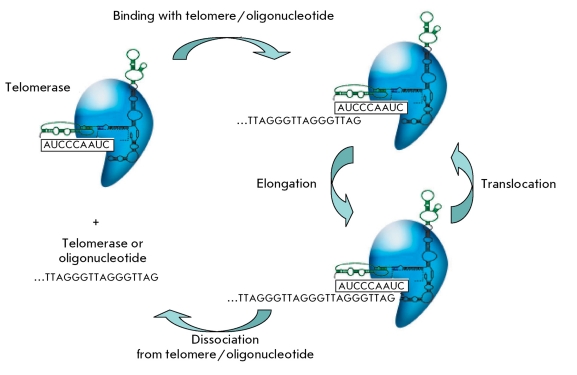
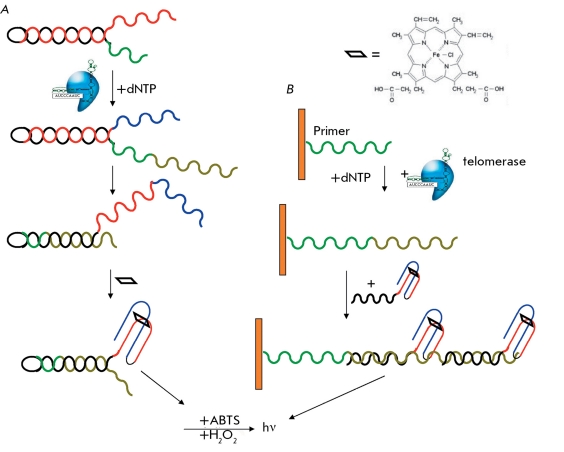
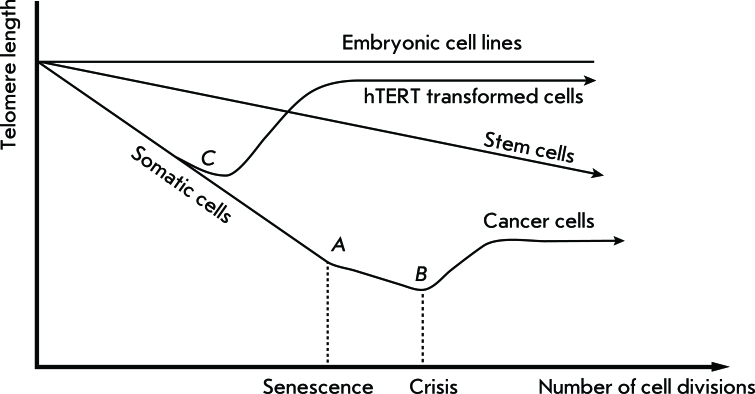
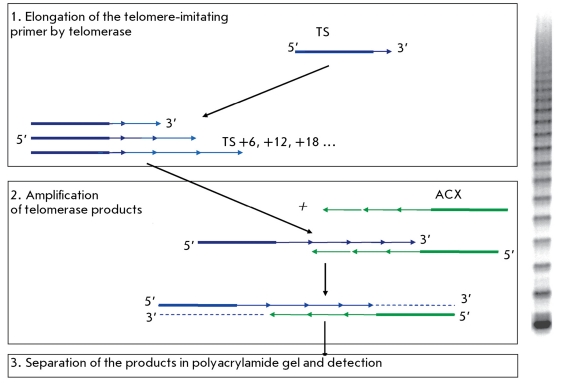
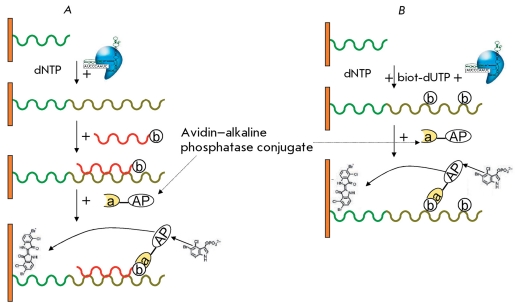
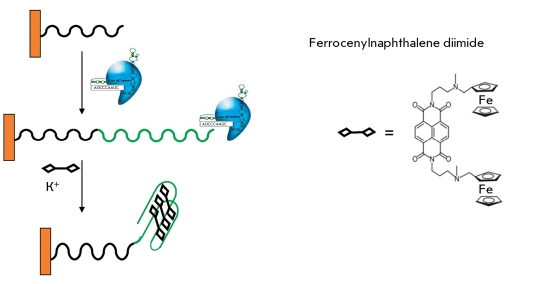
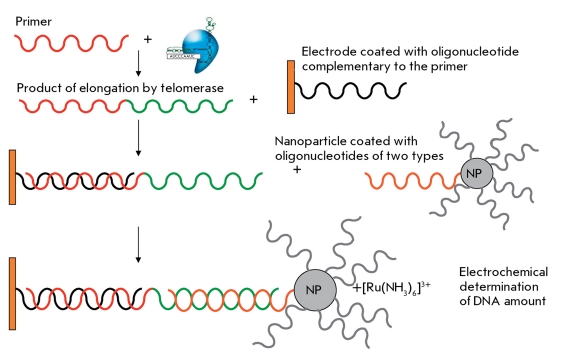
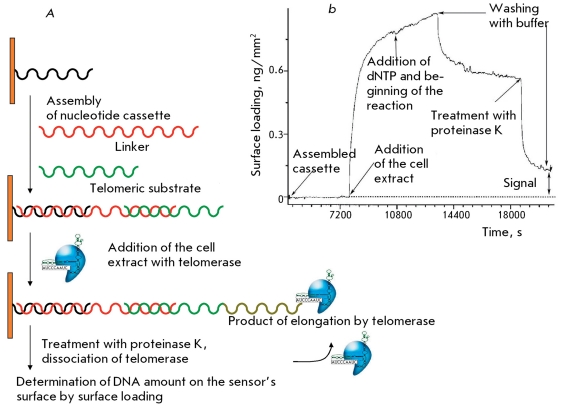
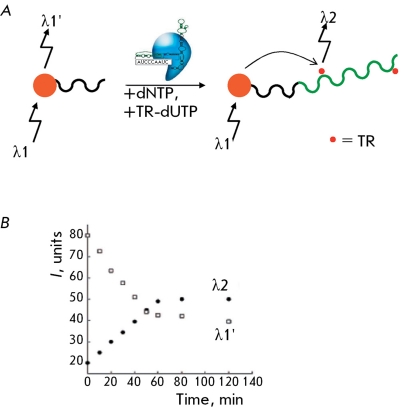
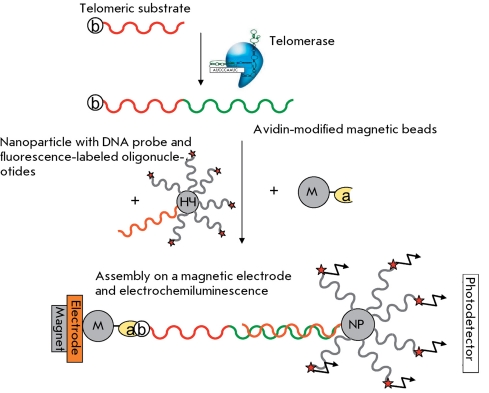
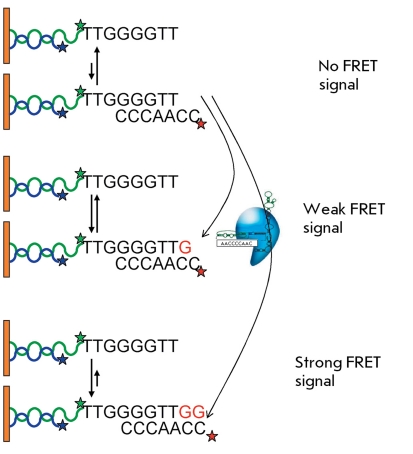
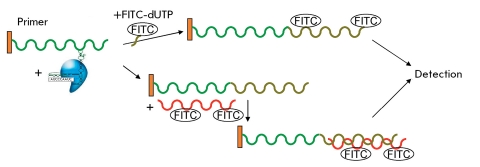
Progressive loss of the telomeric ends of chromosomes caused by the semi-conservative mechanism of DNA replication is an important timing mechanism which controls the number of cells doubling. Telomerase is an enzyme which elongates one chain of the telomeric DNA and compensates for its shortening during replication. Therefore, telomerase activity serves as a proliferation marker. Telomerase activity is not detected in most somatic cells, with the exception of embryonic tissues, stem cells, and reproductive organs. In most tumor cells (80-90%), telomerase is activated and plays the role of the main instrument that supports the telomere length, which can be used for the diagnostics of neoplastic transformation. This is the primary reason why assays regarding the development of telomerase activity have attracted the attention of researchers. Telomerase activity testing may be useful in the search for telomerase inhibitors, which have the potential to be anti-cancer drugs. Moreover, telomerase activation may play a positive role in tissue regeneration; e.g., after partial removal of the liver or cardiac infarction. All telomerase activity detection assays can be divided into two large groups: those based on direct detection of telomerase products, and those based on different systems of amplification of the signals from DNA that yield from telomerase. The methods discussed in this review are suitable for testing telomerase activity in different samples: in protozoa and mammalian cells, mixed cellular populations, and tissues.
由于 DNA 复制的半保守机制,染色体的端粒逐渐丢失是控制细胞倍增次数的重要定时机制。端粒酶是一种酶,它可以延长端粒 DNA 的一条链,并在复制过程中补偿其缩短。因此,端粒酶活性可作为增殖标记。除了胚胎组织、干细胞和生殖器官外,大多数体细胞都检测不到端粒酶活性。在大多数肿瘤细胞(80-90%)中,端粒酶被激活并发挥主要作用,支持端粒长度,可用于肿瘤转化的诊断。这就是为什么关于端粒酶活性发展的检测吸引了研究人员注意的主要原因。端粒酶活性检测可能有助于寻找端粒酶抑制剂,这种抑制剂有可能成为抗癌药物。此外,端粒酶的激活可能在组织再生中发挥积极作用;例如,在肝脏或心脏梗塞部分切除后。所有端粒酶活性检测方法都可以分为两大类:直接检测端粒酶产物的方法,以及基于从端粒酶产生的 DNA 信号的不同放大系统的方法。本综述中讨论的方法适用于测试不同样本中的端粒酶活性:原生动物和哺乳动物细胞、混合细胞群体和组织。