Zou Jian, Crews Fulton T
Bowles Center for Alcohol Studies, The University of North Carolina at Chapel Hill Chapel Hill, NC, USA.
Front Neurosci. 2012 May 30;6:77. doi: 10.3389/fnins.2012.00077. eCollection 2012.
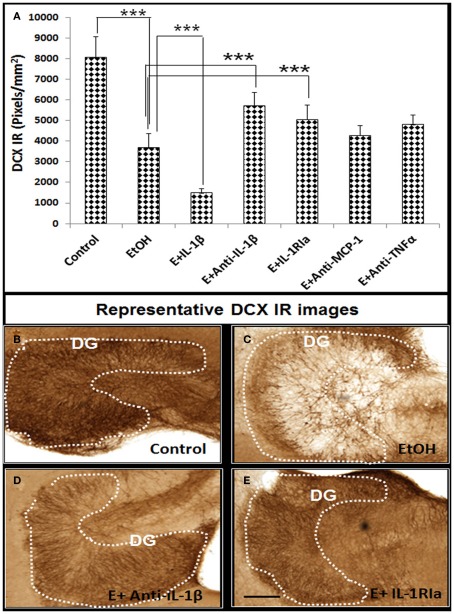
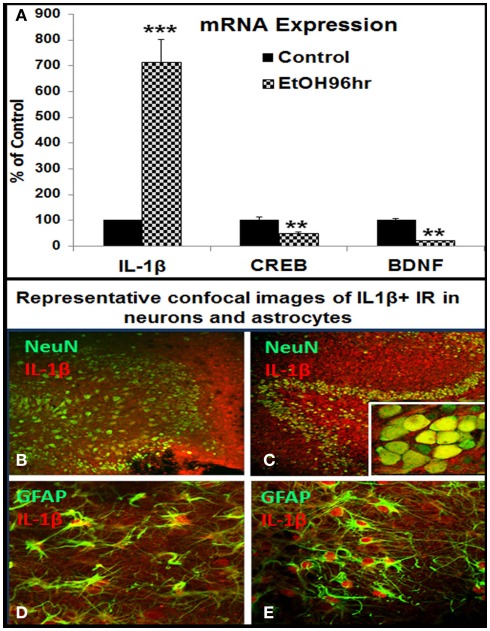
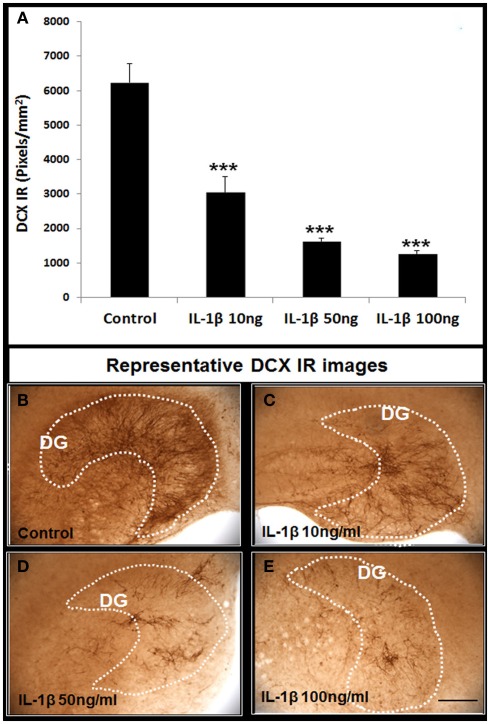
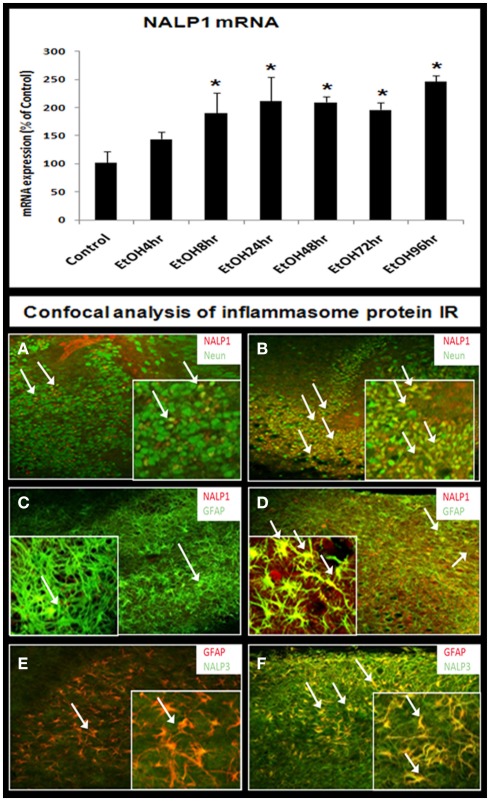
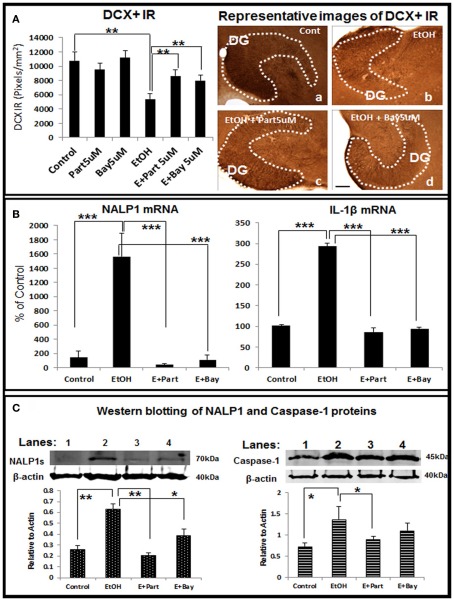
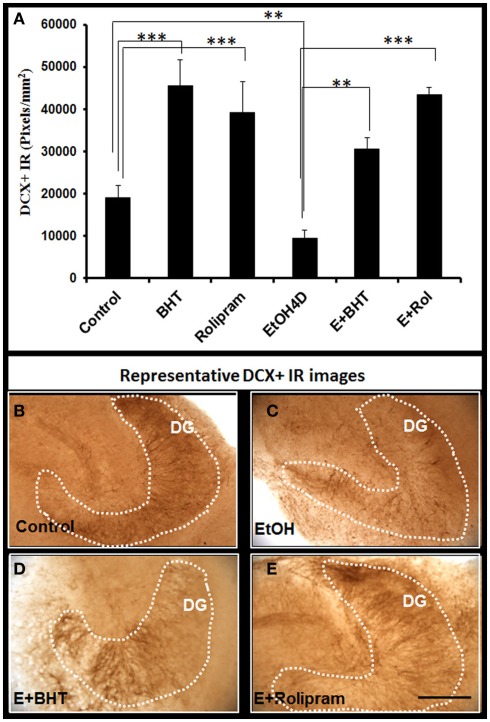
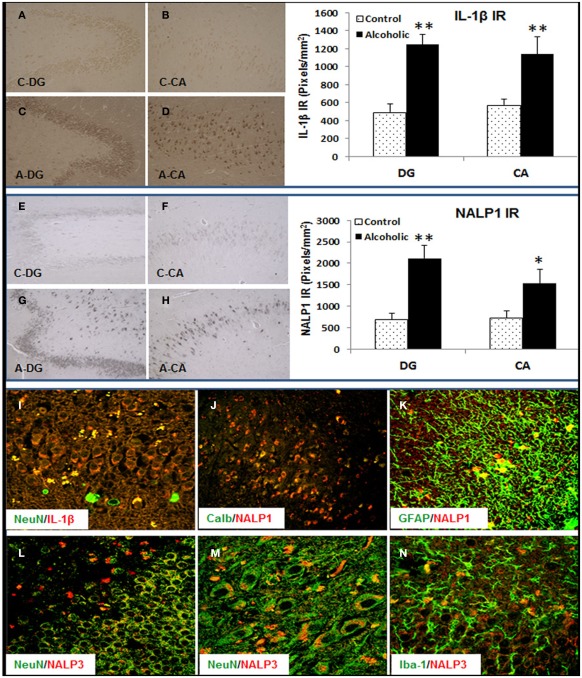
Regulation of hippocampal neurogenesis is poorly understood, but appears to contribute to mood and cognition. Ethanol and neuroinflammation are known to reduce neurogenesis. We have found that ethanol induces neuroinflammation supporting the hypothesis that ethanol induction of neuroinflammation contributes to ethanol inhibition of neurogenesis. To identify the key proinflammatory molecule that may be responsible for ethanol-impaired neurogenesis we used an ex vivo model of organotypic hippocampal-entorhinal cortex brain slice cultures. Here, we demonstrated a key role of proinflammatory cytokine IL-1β signaling in mediating ethanol inhibition of neurogenesis. Ethanol inhibition of neurogenesis was reversed by neutralizing antibody to IL-1β or blockade of the IL-1β receptor with antagonist IL-1RIa. Ethanol-impaired neurogenesis is associated with strong induction of IL-1β and inflammasome proteins NALP1 and NALP3 in both neurons and astrocytes. Blockade of IL-1β synthesis with inflammasome inhibitors Parthenolide and Bay11708 significantly reversed ethanol inhibited neurogenesis. Furthermore, we also found that IL-1β and inflammasome proteins NALP1 and NALP3 are increased in hippocampal neurons and astrocytes in postmortem alcoholic human brain. Together, these novel findings demonstrate that targeting inflammasome-IL-1β signaling can normalize ethanol-impaired hippocampal neurogenesis, which may have therapeutic implications for treatment of cognitive impairment associated with hippocampal dysfunction in alcoholics.
海马神经发生的调控机制目前尚不清楚,但似乎与情绪和认知有关。已知乙醇和神经炎症会减少神经发生。我们发现乙醇会诱发神经炎症,这支持了乙醇诱导的神经炎症导致乙醇抑制神经发生的假说。为了确定可能导致乙醇损害神经发生的关键促炎分子,我们使用了器官型海马-内嗅皮质脑片培养的离体模型。在此,我们证明了促炎细胞因子IL-1β信号在介导乙醇对神经发生的抑制作用中起关键作用。用抗IL-1β中和抗体或用拮抗剂IL-1RIa阻断IL-1β受体可逆转乙醇对神经发生的抑制作用。乙醇损害的神经发生与神经元和星形胶质细胞中IL-1β以及炎性小体蛋白NALP1和NALP3的强烈诱导有关。用炎性小体抑制剂小白菊内酯和Bay11708阻断IL-1β合成可显著逆转乙醇抑制的神经发生。此外,我们还发现,在酒精性人脑尸检中,海马神经元和星形胶质细胞中的IL-1β以及炎性小体蛋白NALP1和NALP3增加。总之,这些新发现表明,针对炎性小体-IL-1β信号传导可以使乙醇损害的海马神经发生正常化,这可能对治疗与酒精中毒患者海马功能障碍相关的认知障碍具有治疗意义。