Microsoft Research Cambridge, Roger Needham Building, 7 J J Thomson Avenue, Cambridge CB3 0FB, UK.
J R Soc Interface. 2012 Nov 7;9(76):2883-98. doi: 10.1098/rsif.2012.0280. Epub 2012 Jun 8.
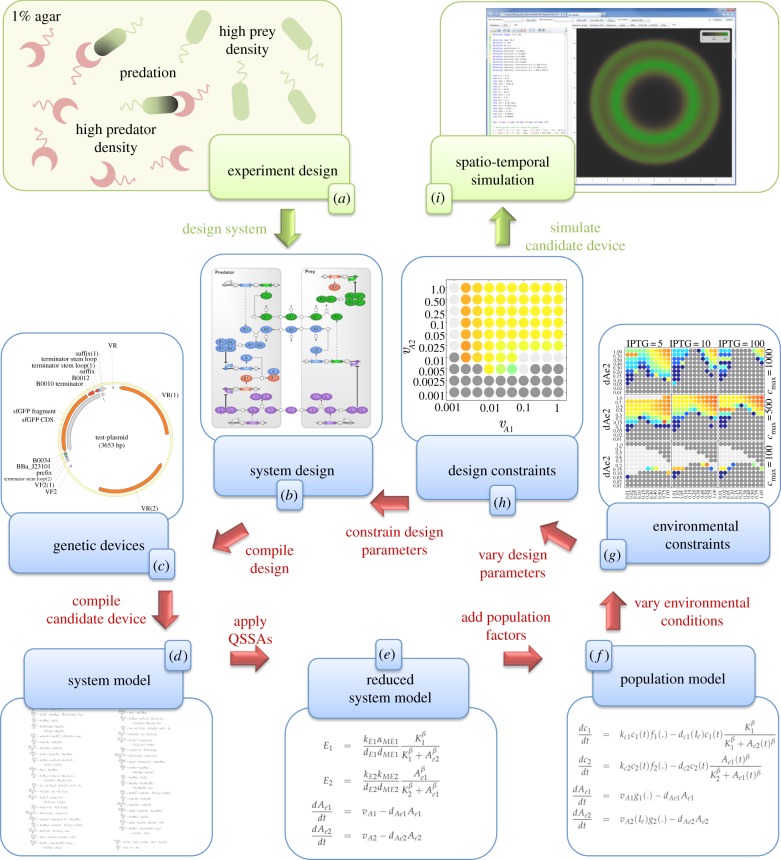
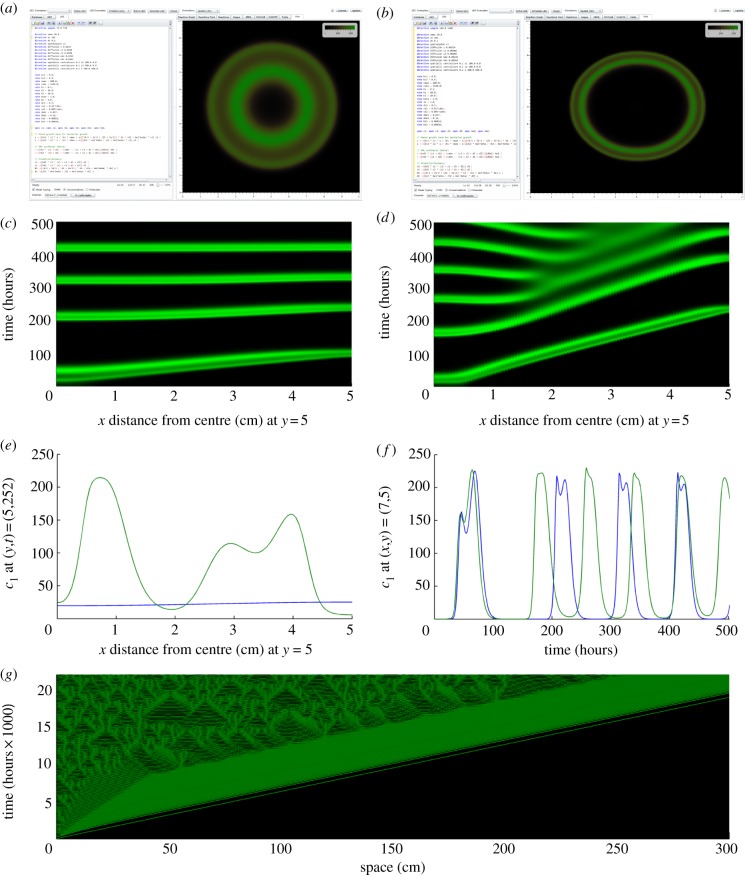
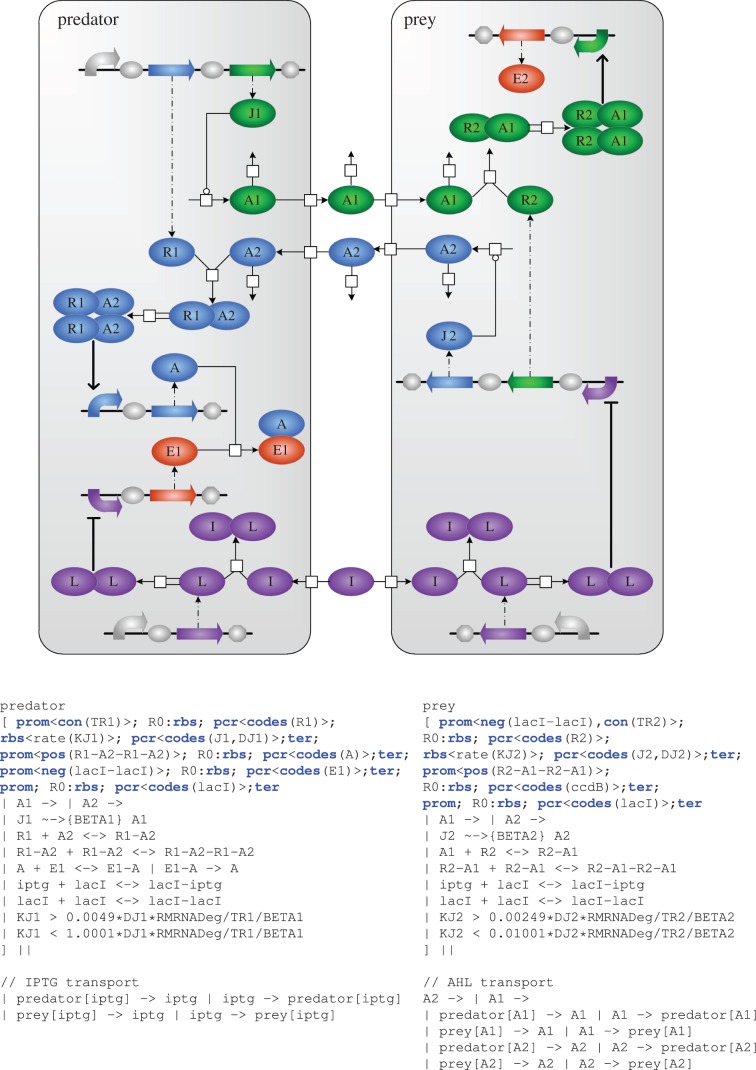
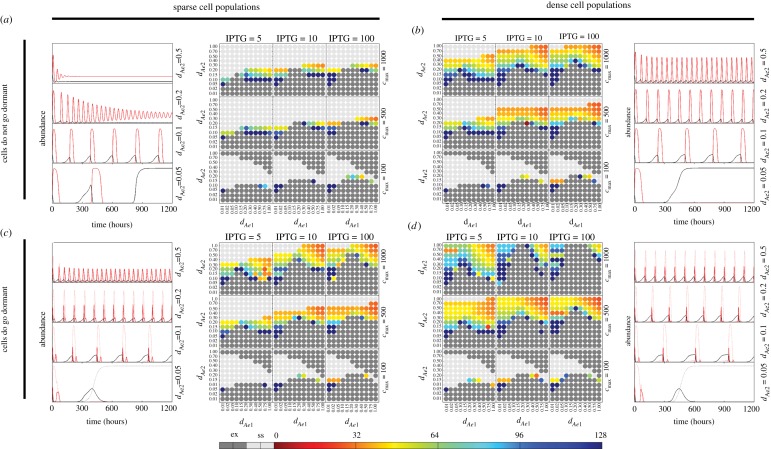
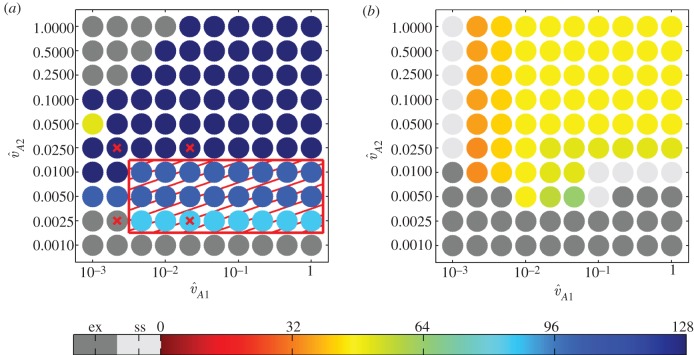
The rational design of synthetic cell populations with prescribed behaviours is a long-standing goal of synthetic biology, with the potential to greatly accelerate the development of biotechnological applications in areas ranging from medical research to energy production. Achieving this goal requires well-characterized components, modular implementation strategies, simulation across temporal and spatial scales and automatic compilation of high-level designs to low-level genetic parts that function reliably inside cells. Many of these steps are incomplete or only partially understood, and methods for integrating them within a common design framework have yet to be developed. Here, we address these challenges by developing a prototype framework for designing synthetic cells with prescribed population dynamics. We extend the genetic engineering of cells (GEC) language, originally developed for programming intracellular dynamics, with cell population factors such as cell growth, division and dormancy, together with spatio-temporal simulation methods. As a case study, we use our framework to design synthetic cells with predator-prey interactions that, when simulated, produce complex spatio-temporal behaviours such as travelling waves and spatio-temporal chaos. An analysis of our design reveals that environmental factors such as density-dependent dormancy and reduced extracellular space destabilize the population dynamics and increase the range of genetic variants for which complex spatio-temporal behaviours are possible. Our findings highlight the importance of considering such factors during the design process. We then use our analysis of population dynamics to inform the selection of genetic parts, which could be used to obtain the desired spatio-temporal behaviours. By identifying, integrating and automating key stages of the design process, we provide a computational framework for designing synthetic systems, which could be tested in future laboratory studies.
具有预定行为的合成细胞群体的合理设计是合成生物学的一个长期目标,有可能极大地加速生物技术应用的发展,从医学研究到能源生产等领域。要实现这一目标,需要具有良好特征的组件、模块化的实现策略、跨越时间和空间尺度的模拟以及高级设计到在细胞内可靠运行的低水平遗传部件的自动编译。其中许多步骤尚未完成或仅部分理解,并且尚未开发出将它们集成到通用设计框架中的方法。在这里,我们通过开发具有预定群体动态的合成细胞设计原型框架来应对这些挑战。我们扩展了最初用于编程细胞内动力学的细胞遗传工程(GEC)语言,增加了细胞群体因素,如细胞生长、分裂和休眠,以及时空模拟方法。作为一个案例研究,我们使用我们的框架设计具有捕食者-猎物相互作用的合成细胞,当进行模拟时,会产生复杂的时空行为,如传播波和时空混沌。对我们设计的分析表明,环境因素(如密度依赖性休眠和减少的细胞外空间)会使群体动态失稳,并增加可能产生复杂时空行为的遗传变异体的范围。我们的研究结果强调了在设计过程中考虑这些因素的重要性。然后,我们利用对群体动态的分析来指导遗传部件的选择,这可以用来获得所需的时空行为。通过识别、集成和自动化设计过程的关键阶段,我们为设计合成系统提供了一个计算框架,该框架可以在未来的实验室研究中进行测试。