G3 (Bethesda). 2012 Jun;2(6):675-91. doi: 10.1534/g3.112.002279. Epub 2012 Jun 1.
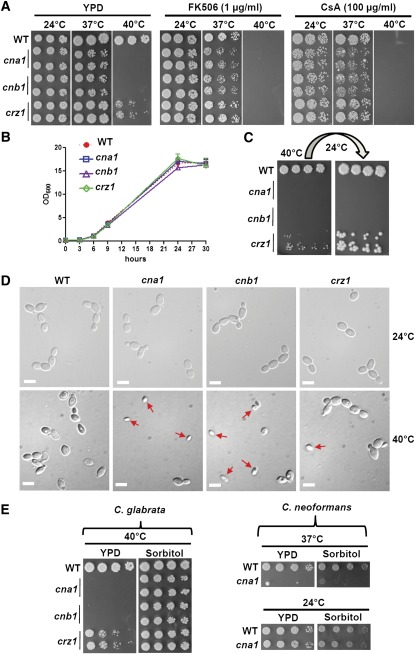
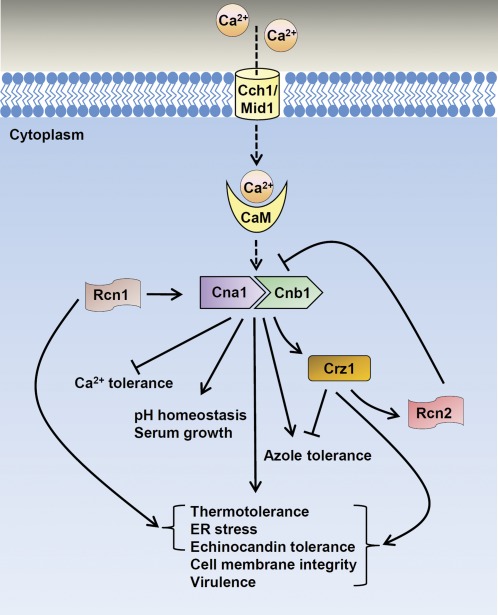
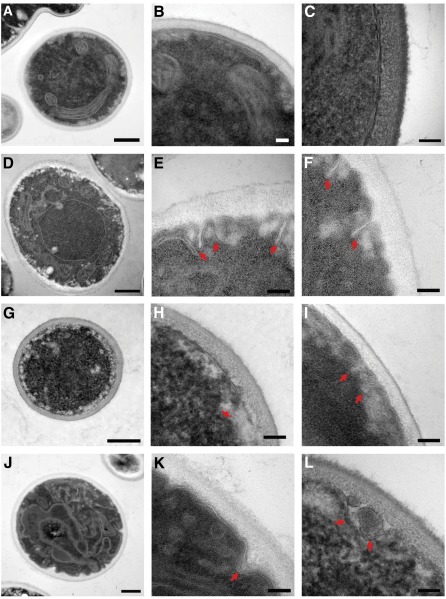
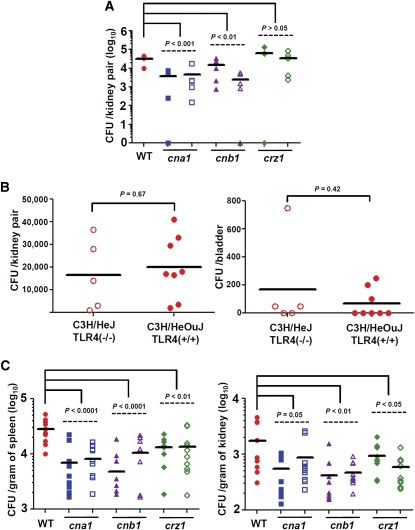
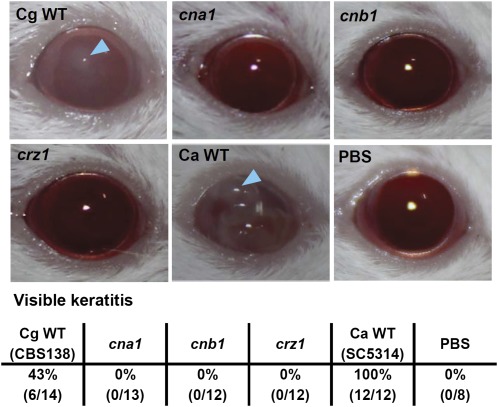
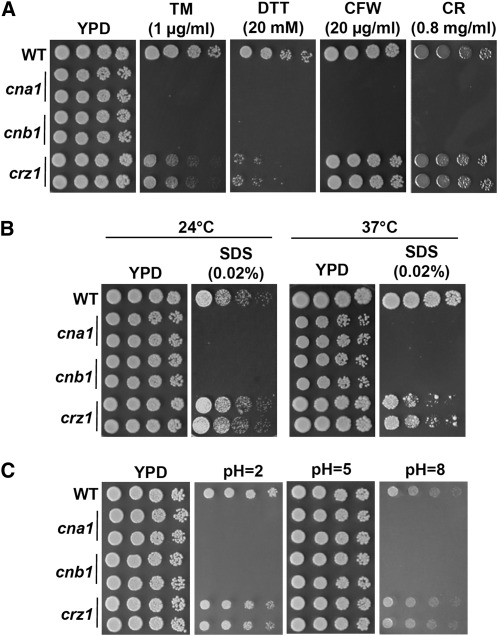
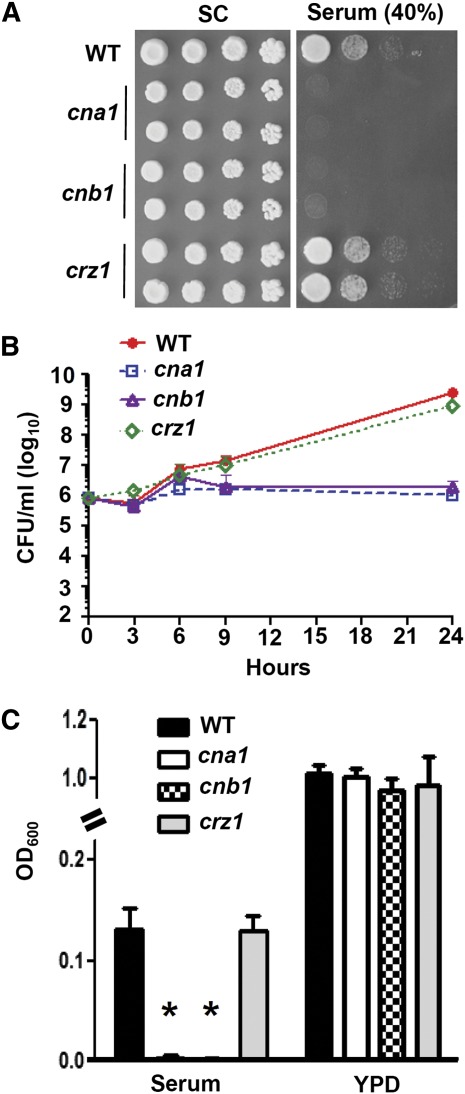
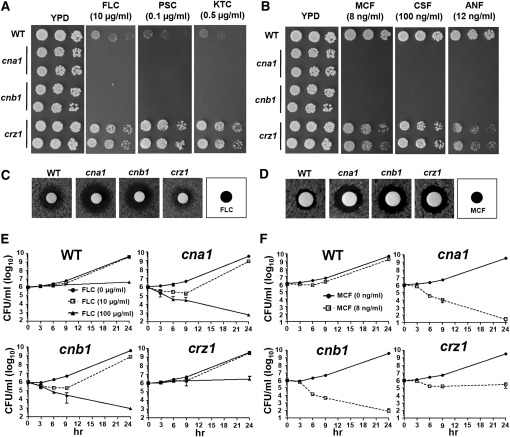
Candida glabrata is an emerging human fungal pathogen that is frequently drug tolerant, resulting in difficulties in treatment and a higher mortality in immunocompromised patients. The calcium-activated protein phosphatase calcineurin plays critical roles in controlling drug tolerance, hyphal growth, and virulence in diverse fungal pathogens via distinct mechanisms involving survival in serum or growth at host temperature (37° and higher). Here, we comprehensively studied the calcineurin signaling cascade in C. glabrata and found novel and uncharacterized functions of calcineurin and its downstream target Crz1 in governing thermotolerance, intracellular architecture, and pathogenesis in murine ocular, urinary tract, and systemic infections. This represents a second independent origin of a role for calcineurin in thermotolerant growth of a major human fungal pathogen, distinct from that which arose independently in Cryptococcus neoformans. Calcineurin also promotes survival of C. glabrata in serum via mechanisms distinct from C. albicans and thereby enables establishment of tissue colonization in a murine systemic infection model. To understand calcineurin signaling in detail, we performed global transcript profiling analysis and identified calcineurin- and Crz1-dependent genes in C. glabrata involved in cell wall biosynthesis, heat shock responses, and calcineurin function. Regulators of calcineurin (RCN) are a novel family of calcineurin modifiers, and two members of this family were identified in C. glabrata: Rcn1 and Rcn2. Our studies demonstrate that Rcn2 expression is controlled by calcineurin and Crz1 to function as a feedback inhibitor of calcineurin in a circuit required for calcium tolerance in C. glabrata. In contrast, the calcineurin regulator Rcn1 activates calcineurin signaling. Interestingly, neither Rcn1 nor Rcn2 is required for virulence in a murine systemic infection model. Taken together, our findings show that calcineurin signaling plays critical roles in thermotolerance and virulence, and that Rcn1 and Rcn2 have opposing functions in controlling calcineurin signaling in C. glabrata.
光滑念珠菌是一种新兴的人类真菌病原体,其对药物具有较强的耐受性,这导致治疗困难,并使免疫功能低下的患者死亡率升高。钙调磷酸酶(calcineurin)作为一种钙激活的蛋白磷酸酶,在控制药物耐受性、菌丝生长和毒力方面发挥着关键作用,其机制在不同的真菌病原体中是不同的,包括在血清中存活或在宿主温度(37°C 及以上)下生长。在这里,我们全面研究了光滑念珠菌中的钙调磷酸酶信号级联,并发现钙调磷酸酶及其下游靶标 Crz1 在调节耐热性、细胞内结构和眼部、尿路和全身感染的致病性方面具有新颖和未被描述的功能。这代表钙调磷酸酶在主要人类真菌病原体耐热生长中的作用出现了第二个独立的起源,与隐球菌属中独立出现的作用不同。钙调磷酸酶还通过不同于白念珠菌的机制促进光滑念珠菌在血清中的存活,从而使其能够在小鼠全身性感染模型中建立组织定植。为了详细了解钙调磷酸酶信号,我们进行了全局转录谱分析,并确定了光滑念珠菌中钙调磷酸酶和 Crz1 依赖的参与细胞壁生物合成、热应激反应和钙调磷酸酶功能的基因。钙调磷酸酶调节剂(RCN)是钙调磷酸酶的一种新型调节因子,在光滑念珠菌中鉴定出两个成员:Rcn1 和 Rcn2。我们的研究表明,Rcn2 的表达受钙调磷酸酶和 Crz1 的调控,作为钙调磷酸酶在光滑念珠菌钙耐受中所需回路的反馈抑制剂发挥作用。相比之下,钙调磷酸酶调节剂 Rcn1 激活钙调磷酸酶信号。有趣的是,在小鼠全身性感染模型中,Rcn1 和 Rcn2 都不是毒力所必需的。总之,我们的研究结果表明,钙调磷酸酶信号在耐热性和毒力中发挥着关键作用,并且 Rcn1 和 Rcn2 在控制光滑念珠菌中的钙调磷酸酶信号方面具有相反的功能。