Division of Epidemiology and Biostatistics, Mel and Enid Zuckerman College of Public Health, The University of Arizona, Tucson, AZ, USA.
Clin Epidemiol. 2012;4:137-44. doi: 10.2147/CLEP.S31271. Epub 2012 May 15.
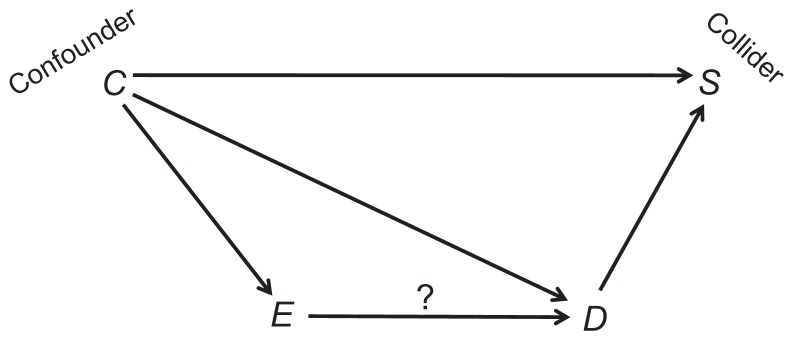
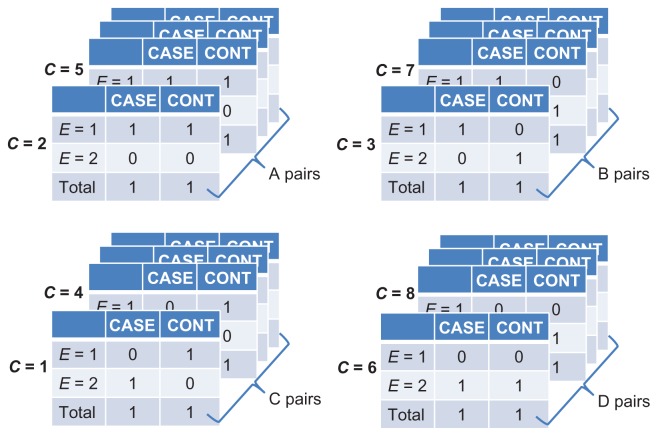
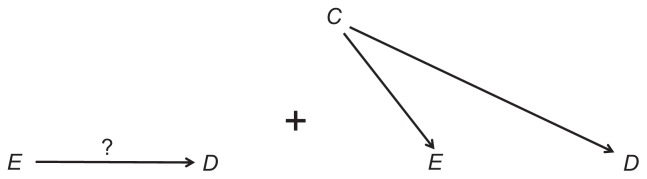
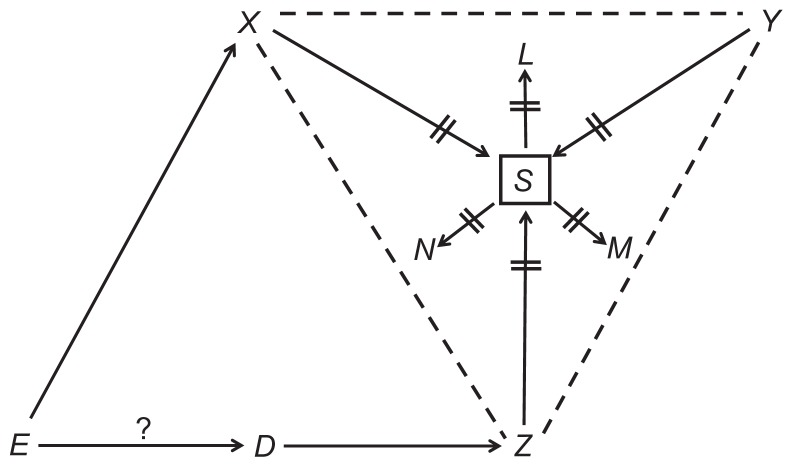
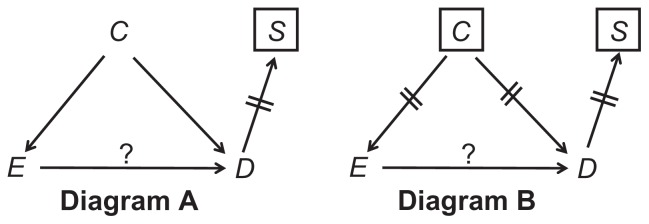
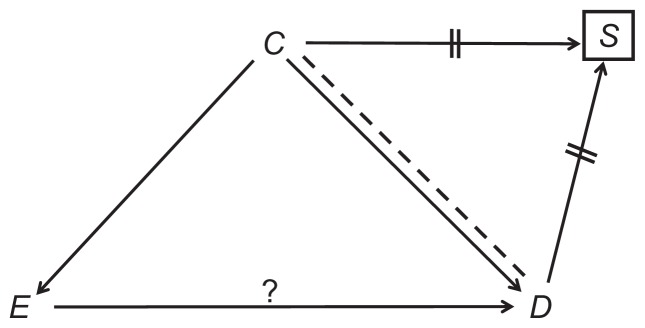
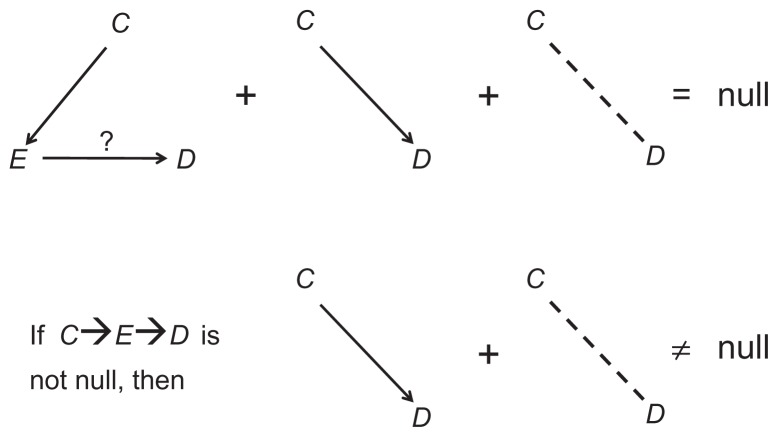
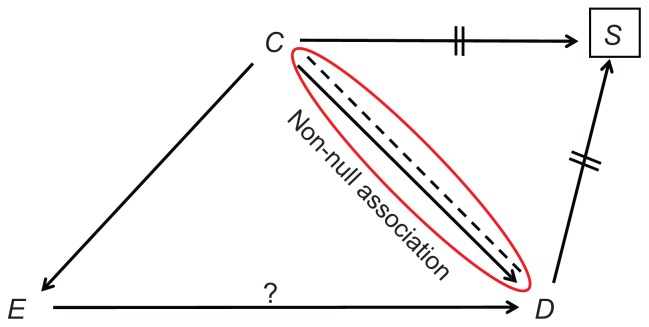
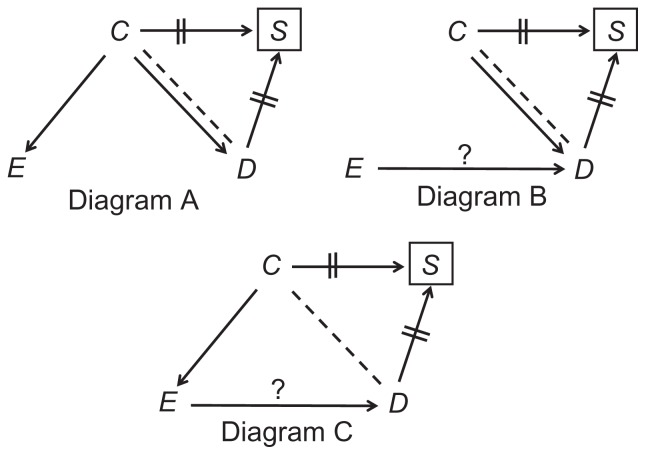
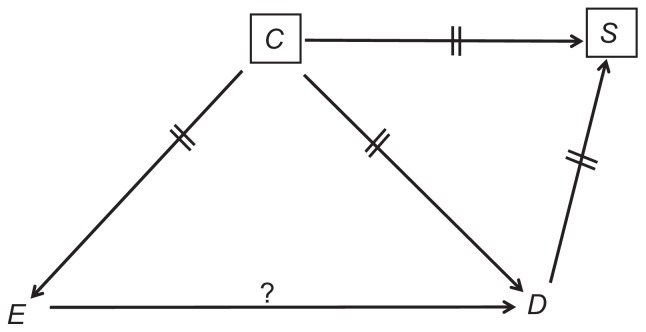
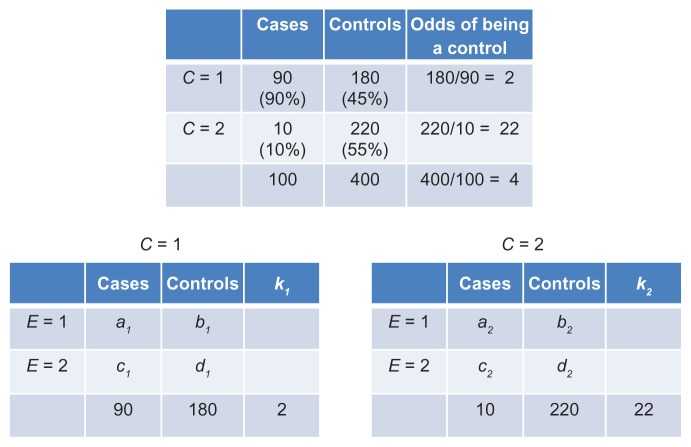
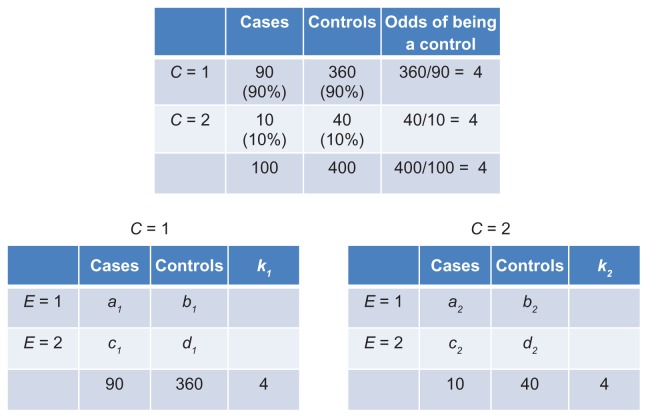
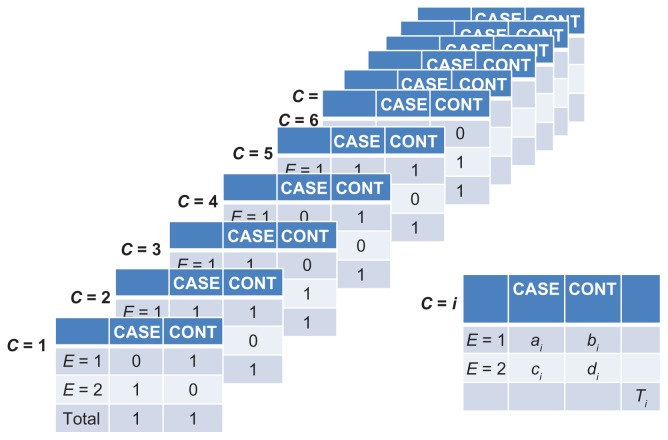
It is tempting to assume that confounding bias is eliminated by choosing controls that are identical to the cases on the matched confounder(s). We used causal diagrams to explain why such matching not only fails to remove confounding bias, but also adds colliding bias, and why both types of bias are removed by conditioning on the matched confounder(s). As in some publications, we trace the logic of matching to a possible tradeoff between effort and variance, not between effort and bias. Lastly, we explain why the analysis of a matched case-control study - regardless of the method of matching - is not conceptually different from that of an unmatched study.
人们很容易假设通过选择与匹配混杂因素完全相同的对照来消除混杂偏倚。我们使用因果关系图来解释为什么这种匹配不仅不能消除混杂偏倚,反而会增加碰撞偏倚,以及为什么这两种偏倚都可以通过对匹配混杂因素进行条件化来消除。与一些文献一样,我们将匹配的逻辑追溯到努力与方差之间的权衡,而不是努力与偏倚之间的权衡。最后,我们解释了为什么无论匹配方法如何,匹配病例对照研究的分析在概念上都与非匹配研究没有区别。