Department of Molecular and Cellular Biology, Harvard University, Cambridge, MA 02138, USA.
Mol Microbiol. 2012 Aug;85(3):418-30. doi: 10.1111/j.1365-2958.2012.08109.x. Epub 2012 Jun 20.
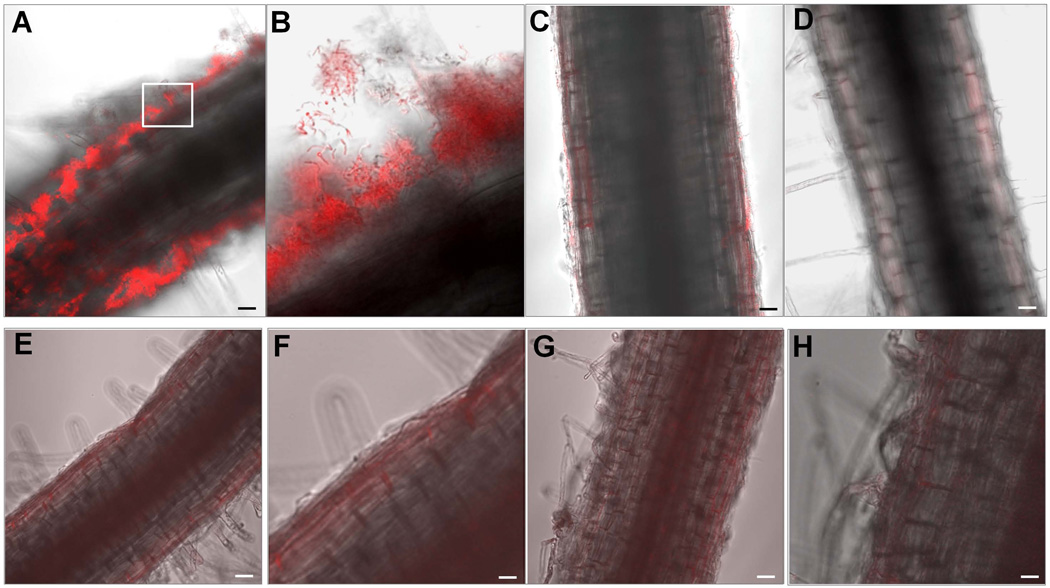
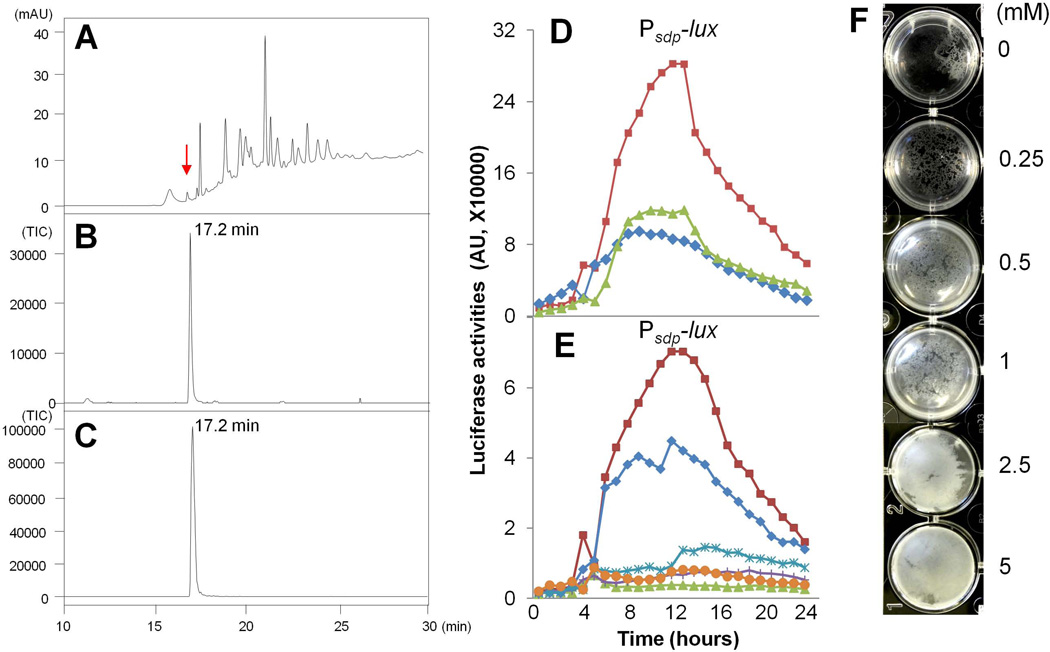
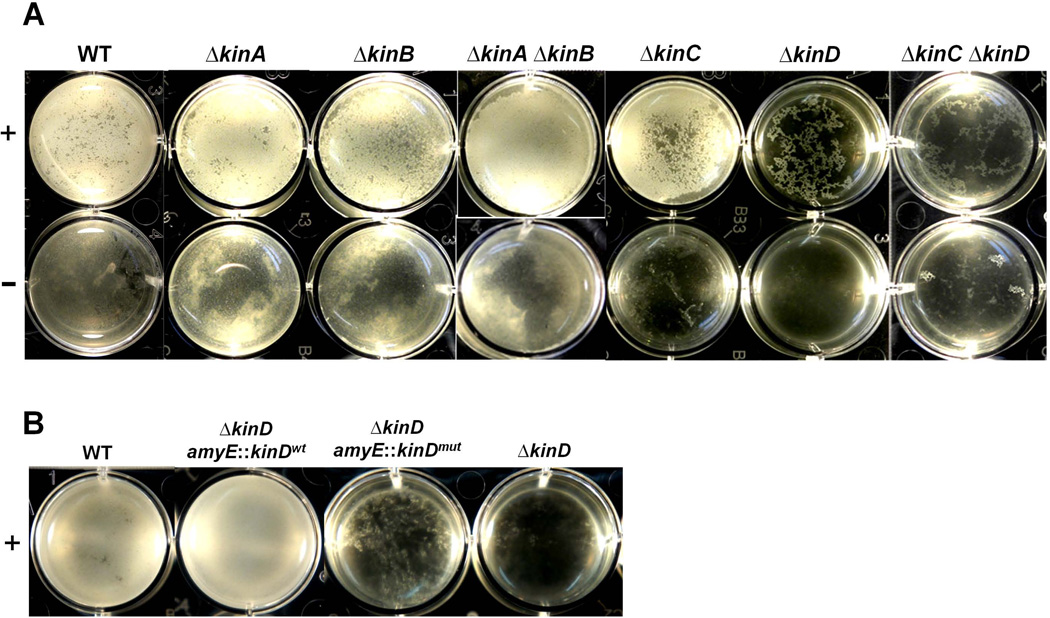
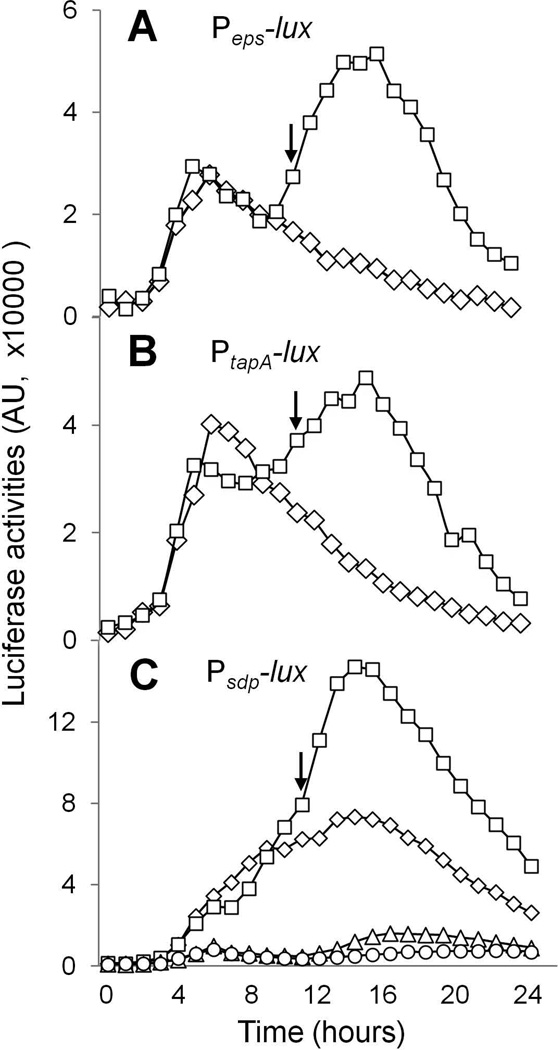
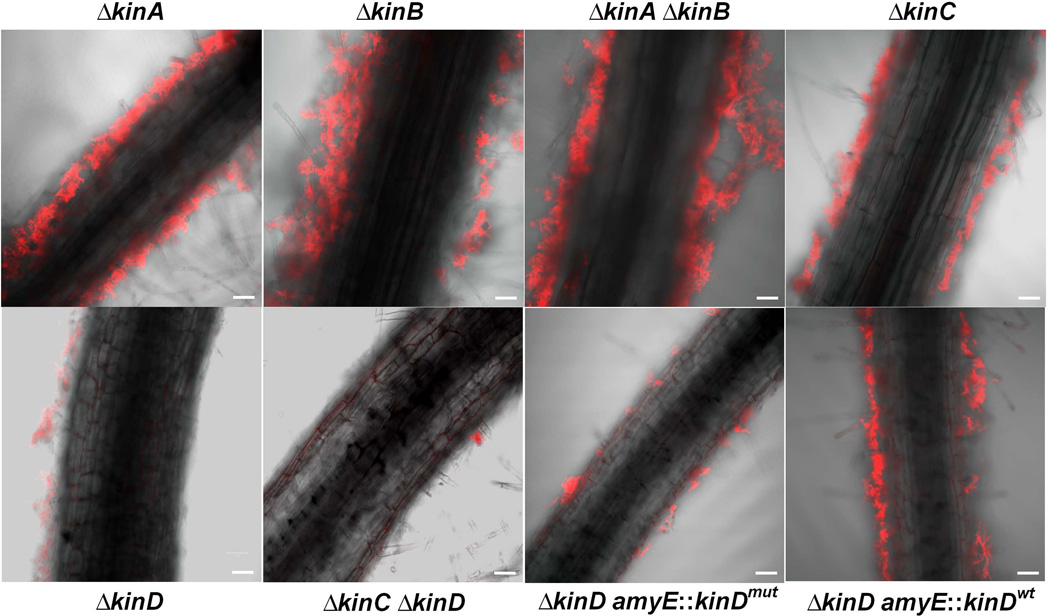
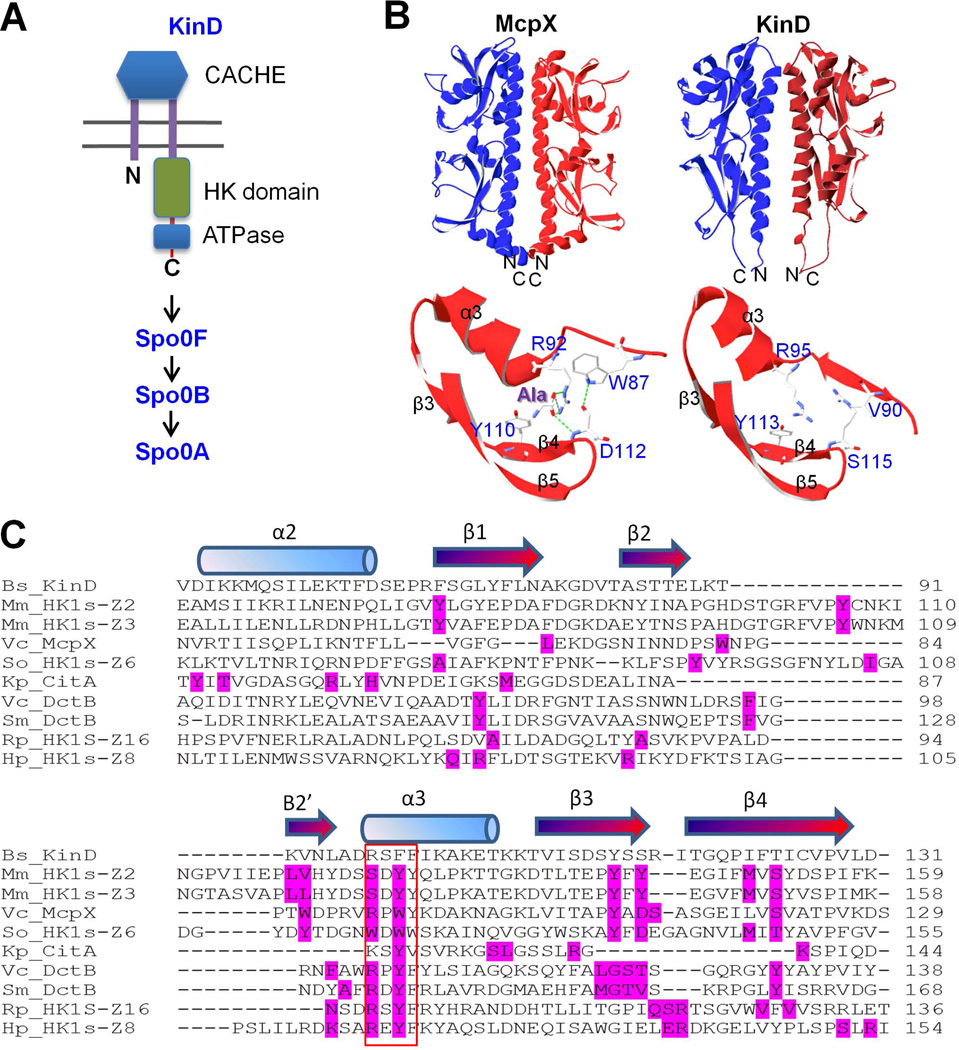
The soil bacterium Bacillus subtilis is widely used in agriculture as a biocontrol agent able to protect plants from a variety of pathogens. Protection is thought to involve the formation of bacterial communities - biofilms - on the roots of the plants. Here we used confocal microscopy to visualize biofilms on the surface of the roots of tomato seedlings and demonstrated that biofilm formation requires genes governing the production of the extracellular matrix that holds cells together. We further show that biofilm formation was dependent on the sensor histidine kinase KinD and in particular on an extracellular CACHE domain implicated in small molecule sensing. Finally, we report that exudates of tomato roots strongly stimulated biofilm formation ex planta and that an abundant small molecule in the exudates, (L) -malic acid, was able to stimulate biofilm formation at high concentrations in a manner that depended on the KinD CACHE domain. We propose that small signalling molecules released by the roots of tomato plants are directly or indirectly recognized by KinD, triggering biofilm formation.
土壤细菌枯草芽孢杆菌被广泛应用于农业,作为一种能够保护植物免受多种病原体侵害的生物防治剂。人们认为,保护作用涉及到细菌群落(生物膜)在植物根部的形成。在这里,我们使用共聚焦显微镜来可视化番茄幼苗根部表面的生物膜,并证明生物膜的形成需要控制细胞外基质产生的基因,细胞外基质将细胞结合在一起。我们进一步表明,生物膜的形成依赖于感应组氨酸激酶 KinD,特别是依赖于参与小分子感应的细胞外 CACHE 结构域。最后,我们报告说,番茄根的分泌物强烈地刺激了离体的生物膜形成,而分泌物中大量的小分子(L)-苹果酸,能够以依赖于 KinD CACHE 结构域的方式在高浓度下刺激生物膜的形成。我们提出,番茄植物根部释放的小分子信号分子被 KinD 直接或间接地识别,从而触发生物膜的形成。