Institute for Antiviral Research, Department of Animal, Dairy, and Veterinary Sciences, Utah State University, Logan, Utah, United States of America.
PLoS One. 2012;7(6):e38672. doi: 10.1371/journal.pone.0038672. Epub 2012 Jun 14.
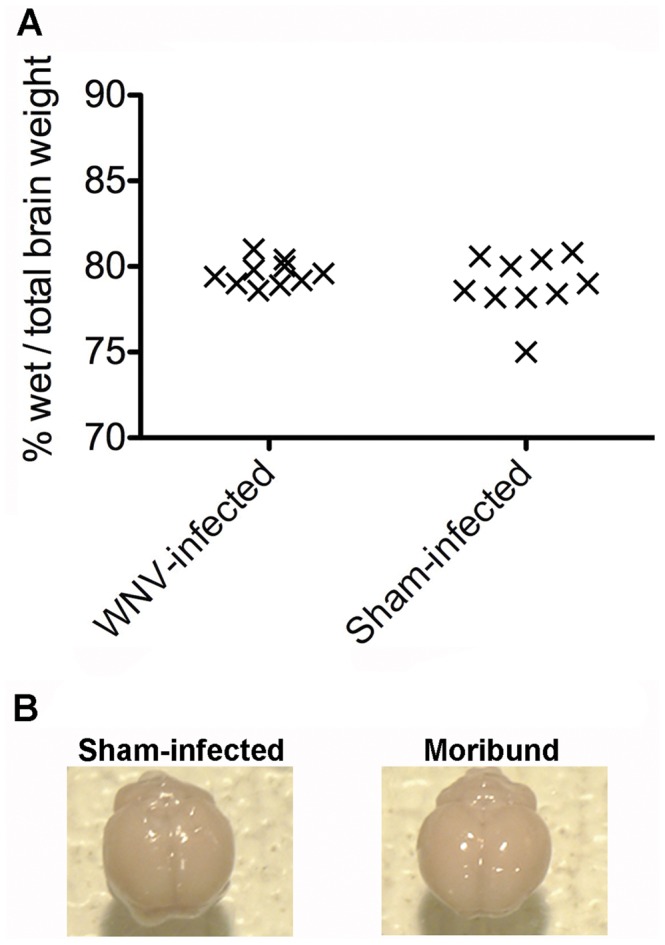
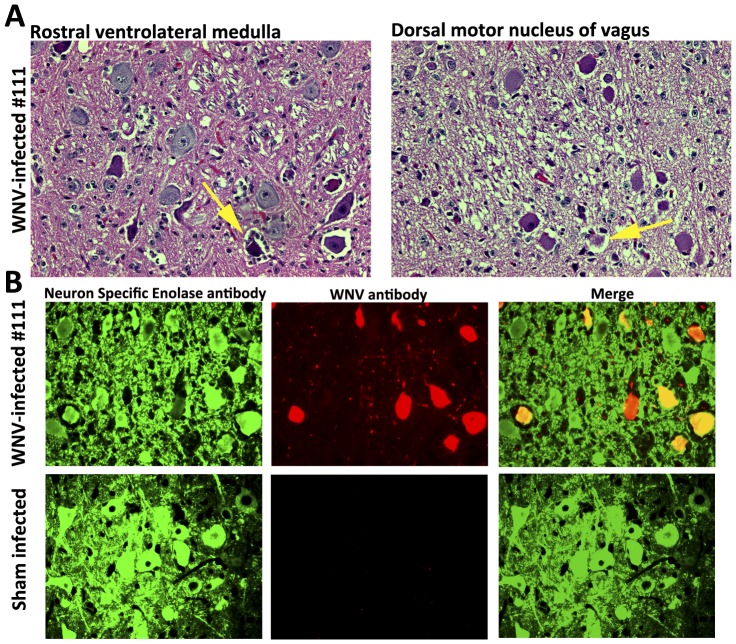
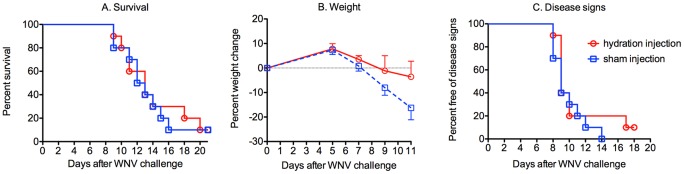
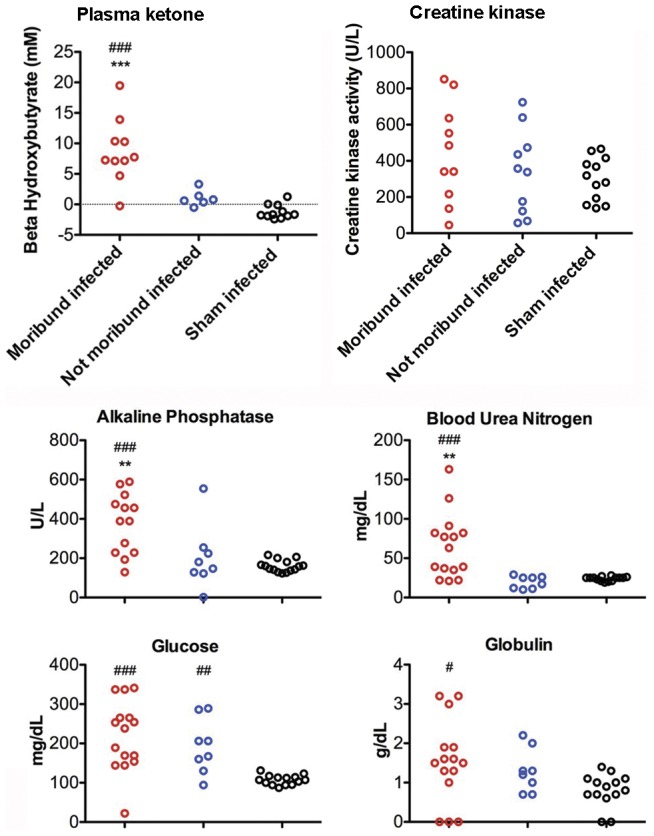
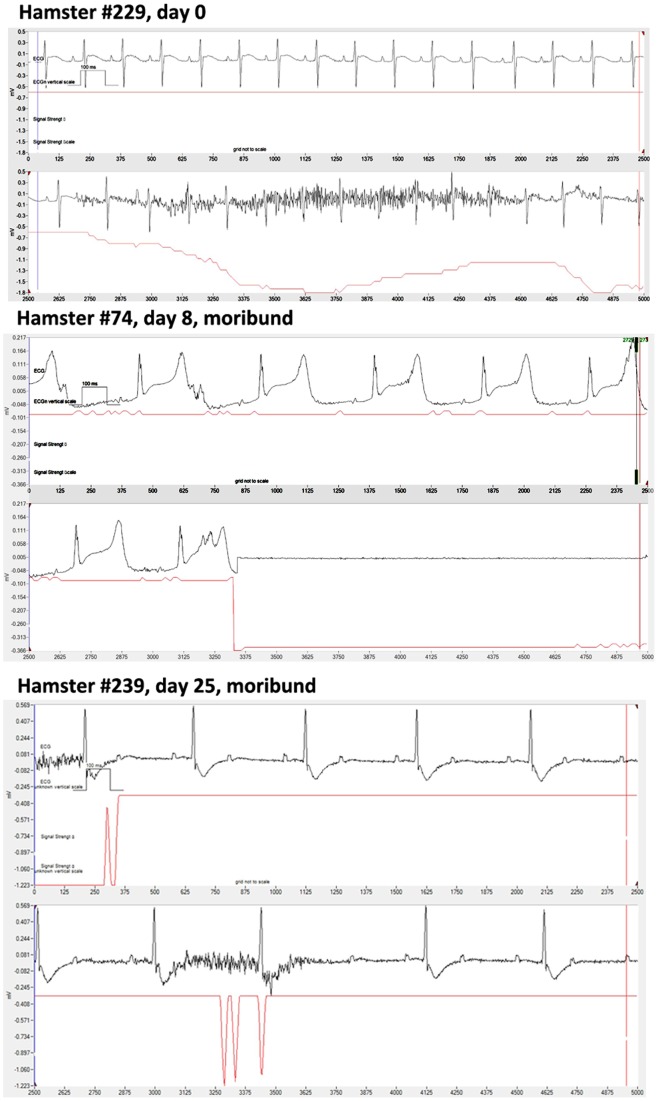
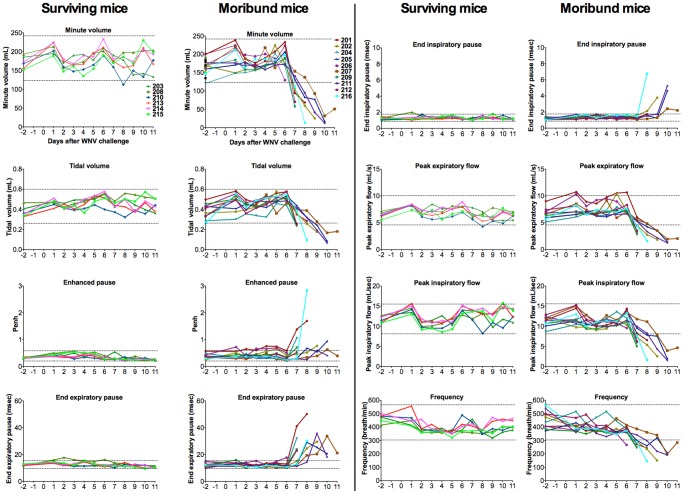
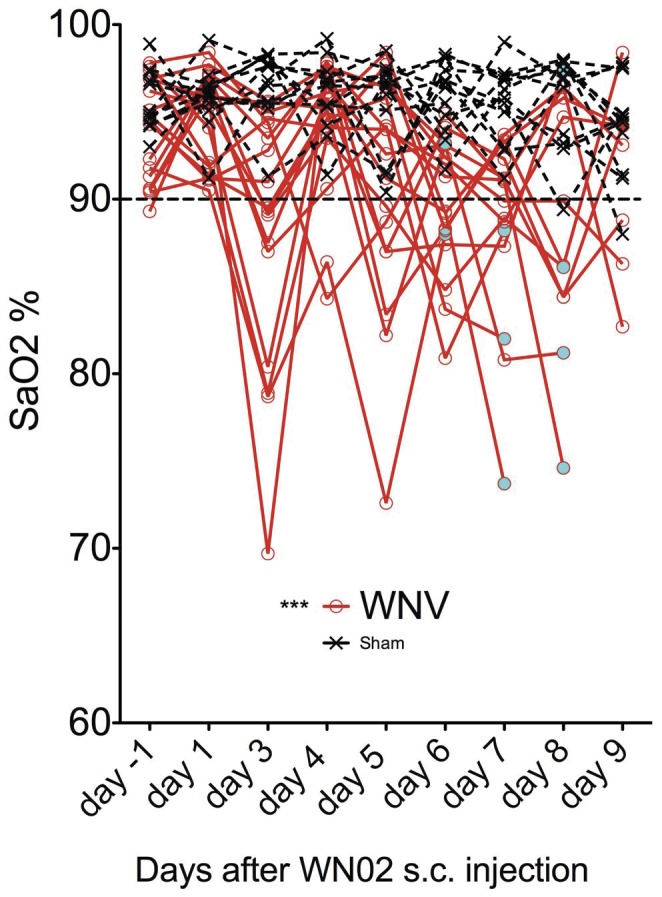
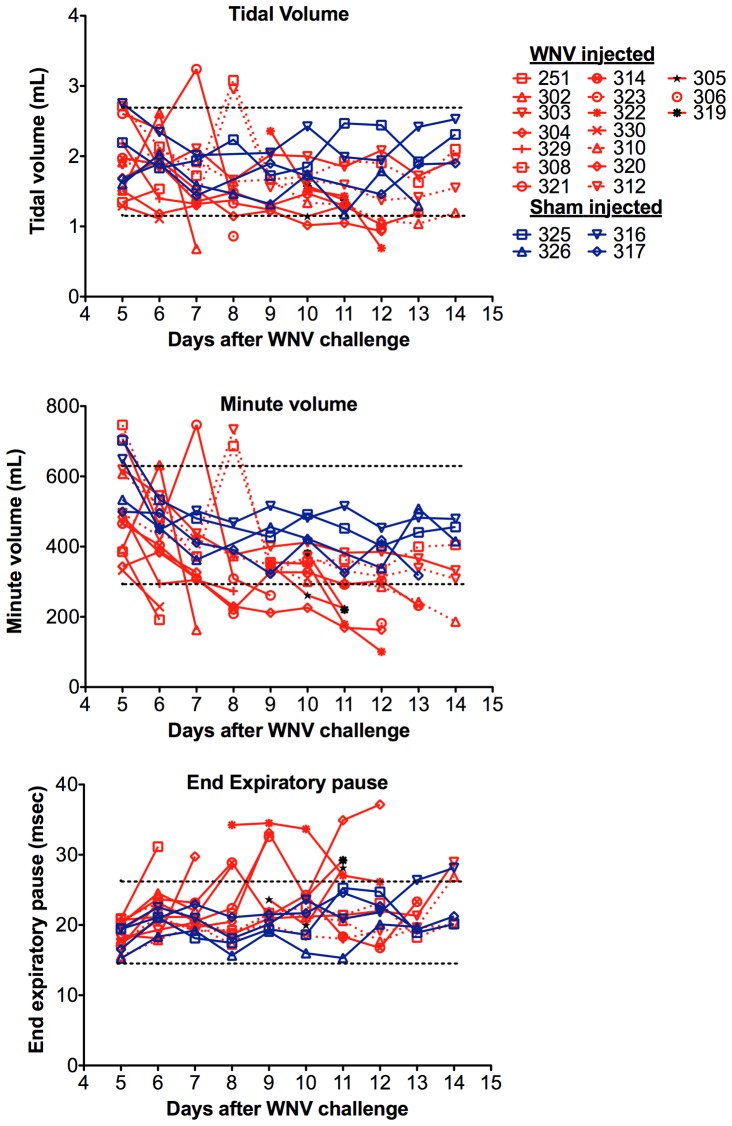
West Nile virus (WNV) disease can be fatal for high-risk patients. Since WNV or its antigens have been identified in multiple anatomical locations of the central nervous system of persons or rodent models, one cannot know where to investigate the actual mechanism of mortality without careful studies in animal models. In this study, depressed respiratory functions measured by plethysmography correlated strongly with mortality. This respiratory distress, as well as reduced oxygen saturation, occurred beginning as early as 4 days before mortality. Affected medullary respiratory control cells may have contributed to the animals' respiratory insufficiency, because WNV antigen staining was present in neurons located in the ventrolateral medulla. Starvation or dehydration would be irrelevant in people, but could cause death in rodents due to lethargy or loss of appetite. Animal experiments were performed to exclude this possibility. Plasma ketones were increased in moribund infected hamsters, but late-stage starvation markers were not apparent. Moreover, daily subcutaneous administration of 5% dextrose in physiological saline solution did not improve survival or other disease signs. Therefore, infected hamsters did not die from starvation or dehydration. No cerebral edema was apparent in WNV- or sham-infected hamsters as determined by comparing wet-to-total weight ratios of brains, or by evaluating blood-brain-barrier permeability using Evans blue dye penetration into brains. Limited vasculitis was present in the right atrium of the heart of infected hamsters, but abnormal electrocardiograms for several days leading up to mortality did not occur. Since respiratory insufficiency was strongly correlated with mortality more than any other pathological parameter, it is the likely cause of death in rodents. These animal data and a poor prognosis for persons with respiratory insufficiency support the hypothesis that neurological lesions affecting respiratory function may be the primary cause of human WNV-induced death.
西尼罗河病毒 (WNV) 疾病可能对高危患者致命。由于 WNV 或其抗原已在人体或啮齿动物模型的中枢神经系统的多个解剖部位被识别,因此如果不在动物模型中进行仔细研究,就无法知道在何处研究死亡率的实际机制。在这项研究中,通过体积描记法测量的呼吸功能下降与死亡率密切相关。这种呼吸窘迫以及氧饱和度降低早在死亡前 4 天就开始发生。受影响的延髓呼吸控制细胞可能导致动物呼吸不足,因为WNV 抗原染色存在于位于腹外侧延髓的神经元中。饥饿或脱水对人来说无关紧要,但可能会导致啮齿动物因昏睡或食欲不振而死亡。进行了动物实验以排除这种可能性。濒死感染的仓鼠的血浆酮体增加,但晚期饥饿标志物不明显。此外,每天在生理盐水中皮下注射 5%的葡萄糖也不能提高存活率或其他疾病迹象。因此,感染的仓鼠不会因饥饿或脱水而死亡。通过比较大脑的湿重与总重比,或通过评估伊文思蓝染料渗透到大脑中对血脑屏障通透性,WNV 或假感染的仓鼠的大脑中没有明显的脑水肿。感染仓鼠的右心房中存在有限的血管炎,但在死亡前几天没有出现异常心电图。由于呼吸不足与任何其他病理参数相比与死亡率的相关性更强,因此它可能是啮齿动物死亡的原因。这些动物数据和呼吸不足患者预后不良支持这样一种假设,即影响呼吸功能的神经病变可能是人类 WNV 诱导死亡的主要原因。