University of Pittsburgh Cancer Institute, Pittsburgh, PA, USA.
Cell Biosci. 2012 Jun 25;2(1):23. doi: 10.1186/2045-3701-2-23.
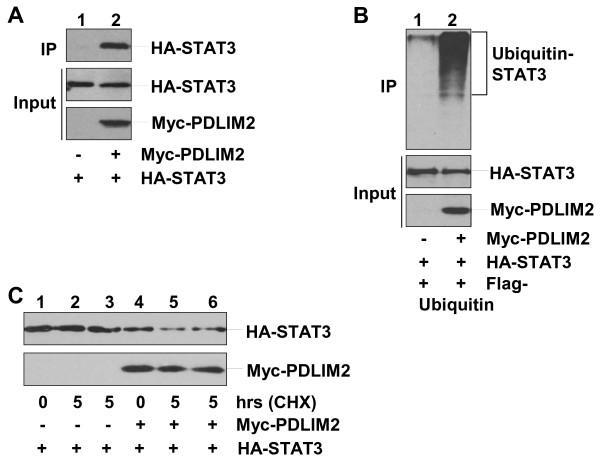
PDLIM2 is essential for the termination of the inflammatory transcription factors NF-κB and STAT but is dispensable for the development of immune cells and immune tissues/organs. Currently, it remains unknown whether and how PDLIM2 is involved in physiologic and pathogenic processes.
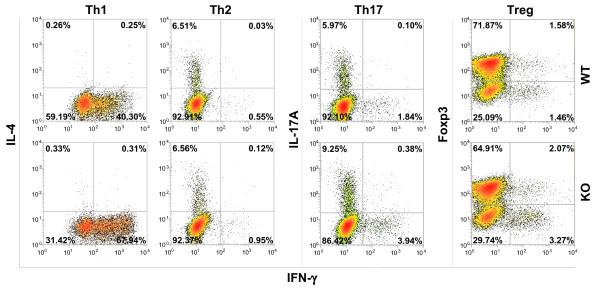
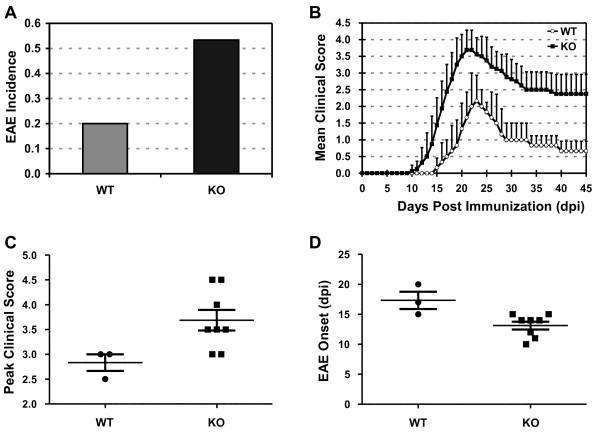
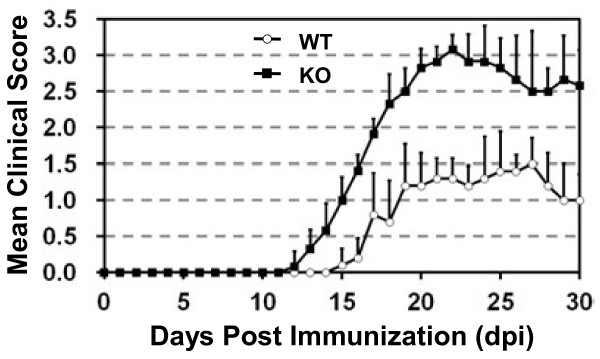
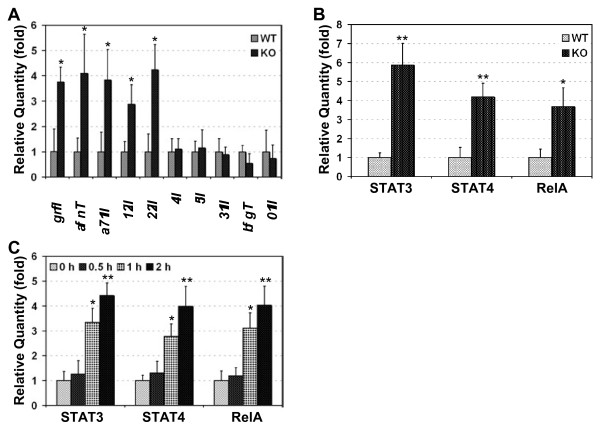
Here we report that naive PDLIM2 deficient CD4+ T cells were prone to differentiate into Th1 and Th17 cells. PDLIM2 deficiency, however, had no obvious effect on lineage commitment towards Th2 or Treg cells. Notably, PDLIM2 deficient mice exhibited increased susceptibility to experimental autoimmune encephalitis (EAE), a Th1 and/or Th17 cell-mediated inflammatory disease model of multiple sclerosis (MS). Mechanistic studies further indicate that PDLIM2 was required for restricting expression of Th1 and Th17 cytokines, which was in accordance with the role of PDLIM2 in the termination of NF-κB and STAT activation.
These findings suggest that PDLIM2 is a key modulator of T-cell-mediated immune responses that may be targeted for the therapy of human autoimmune diseases.
PDLIM2 对于炎症转录因子 NF-κB 和 STAT 的终止是必需的,但对于免疫细胞和免疫组织/器官的发育是可有可无的。目前,尚不清楚 PDLIM2 是否以及如何参与生理和病理过程。
在这里,我们报告说,幼稚的 PDLIM2 缺乏的 CD4+T 细胞容易分化为 Th1 和 Th17 细胞。然而,PDLIM2 的缺乏对 Th2 或 Treg 细胞的谱系分化没有明显影响。值得注意的是,PDLIM2 缺乏的小鼠表现出对实验性自身免疫性脑脊髓炎(EAE)的易感性增加,EAE 是一种多发性硬化症(MS)的 Th1 和/或 Th17 细胞介导的炎症疾病模型。机制研究进一步表明,PDLIM2 对于限制 Th1 和 Th17 细胞因子的表达是必需的,这与 PDLIM2 在 NF-κB 和 STAT 激活终止中的作用一致。
这些发现表明,PDLIM2 是 T 细胞介导的免疫反应的关键调节剂,可能成为治疗人类自身免疫性疾病的靶点。