Department of Cellular and Molecular Physiology, Yale University, New Haven, CT 06520, USA.
Yale J Biol Med. 2012 Jun;85(2):187-200. Epub 2012 Jun 25.
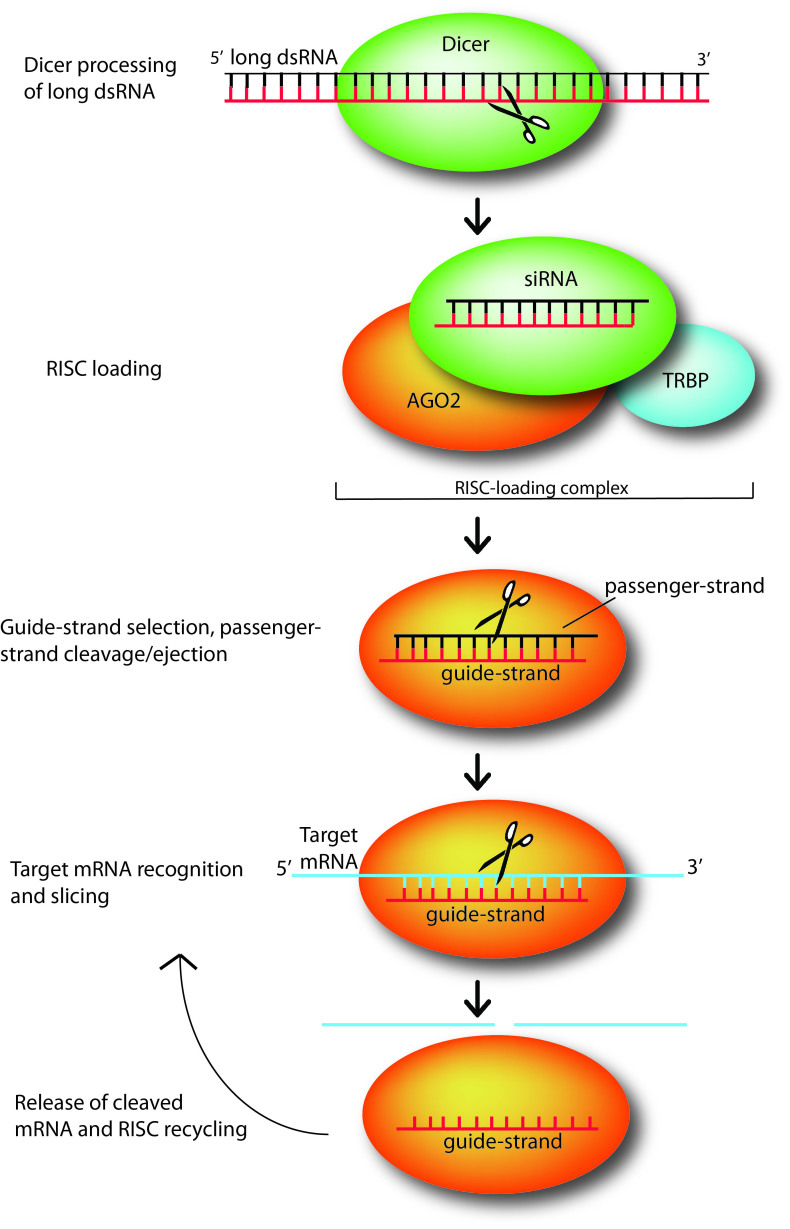
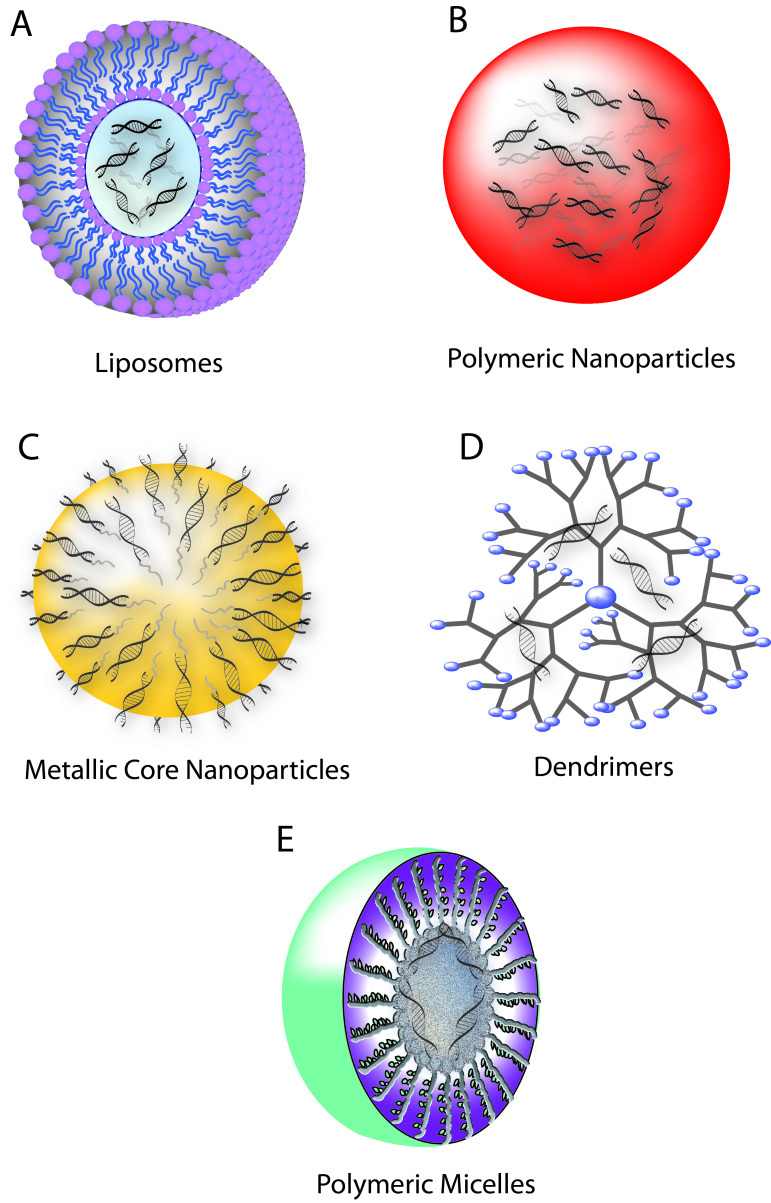
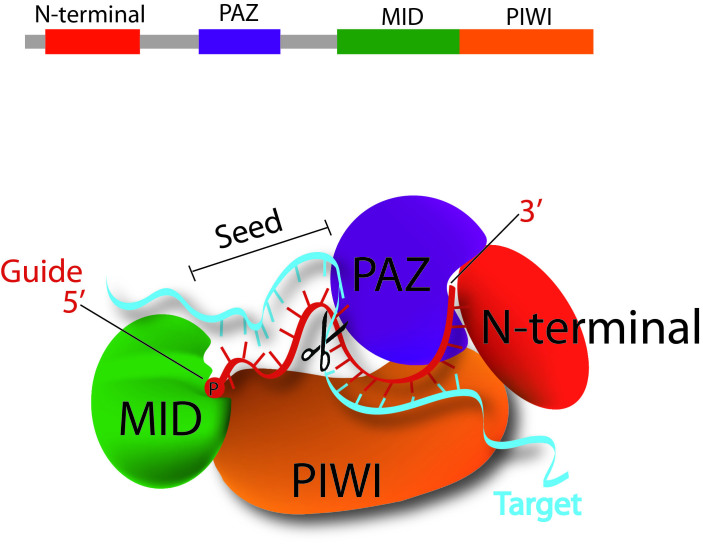
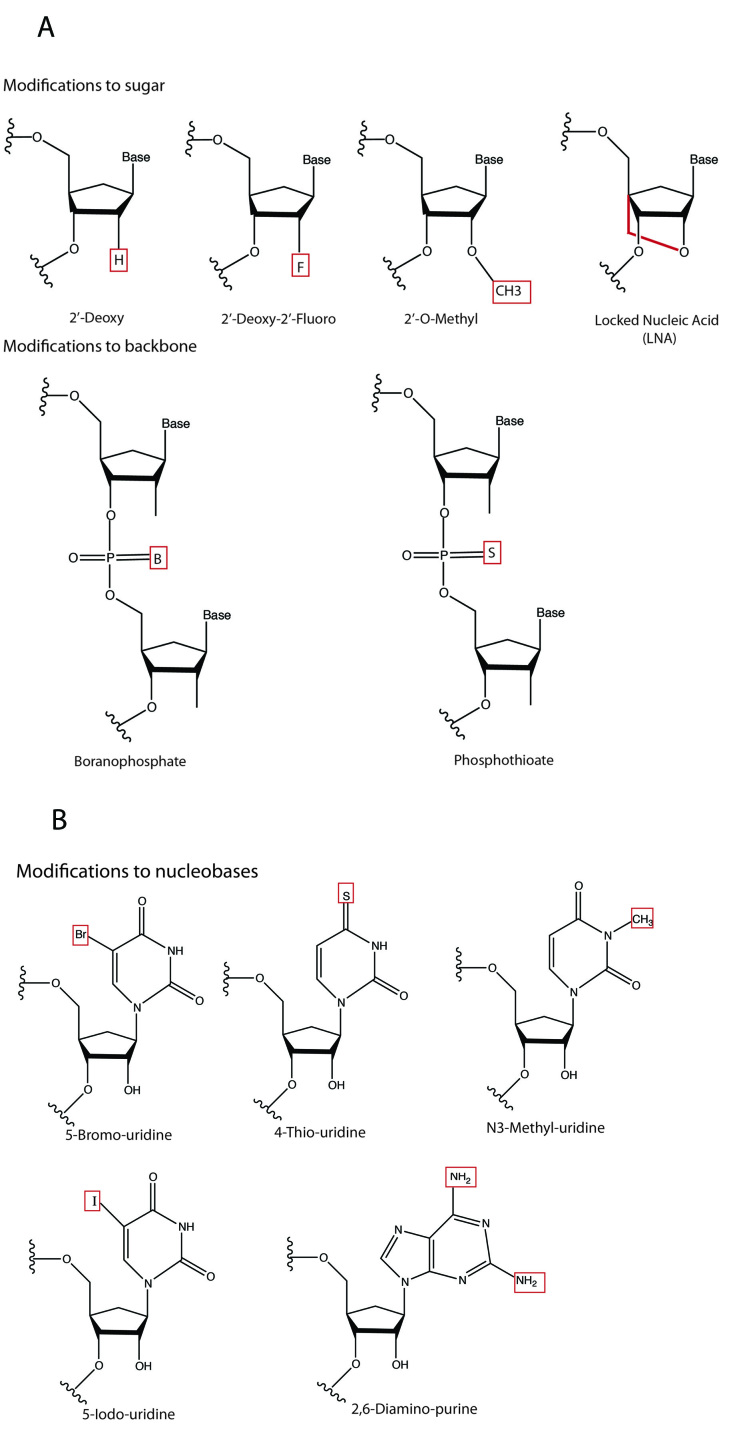
RNA interference (RNAi) is a remarkable endogenous regulatory pathway that can bring about sequence-specific gene silencing. If harnessed effectively, RNAi could result in a potent targeted therapeutic modality with applications ranging from viral diseases to cancer. The major barrier to realizing the full medicinal potential of RNAi is the difficulty of delivering effector molecules, such as small interfering RNAs (siRNAs), in vivo. An effective delivery strategy for siRNAs must address limitations that include poor stability and non-targeted biodistribution, while protecting against the stimulation of an undesirable innate immune response. The design of such a system requires rigorous understanding of all mechanisms involved. This article reviews the mechanistic principles of RNA interference, its potential, the greatest challenges for use in biomedical applications, and some of the work that has been done toward engineering delivery systems that overcome some of the hurdles facing siRNA-based therapeutics.
RNA 干扰(RNAi)是一种出色的内源性调控途径,可以实现序列特异性基因沉默。如果能够有效地利用,RNAi 可能成为一种有效的靶向治疗模式,应用范围从病毒疾病到癌症。实现 RNAi 全部医学潜力的主要障碍是难以在体内输送效应分子,如小干扰 RNA(siRNA)。有效的 siRNA 传递策略必须解决包括稳定性差和非靶向生物分布在内的局限性,同时防止刺激不良的先天免疫反应。这种系统的设计需要严格理解所有涉及的机制。本文综述了 RNA 干扰的机制原理、潜力、在生物医学应用中面临的最大挑战,以及在工程化传递系统方面所做的一些工作,这些系统克服了 siRNA 治疗所面临的一些障碍。