Nii Takenobu, Marumoto Tomotoshi, Tani Kenzaburo
Division of Molecular and Clinical Genetics, Medical Institute of Bioregulation, Kyushu University, 3-1-1, Maidashi, Higashi-ku, Fukuoka 812-8582, Japan.
J Biomed Biotechnol. 2012;2012:903435. doi: 10.1155/2012/903435. Epub 2012 Jun 20.
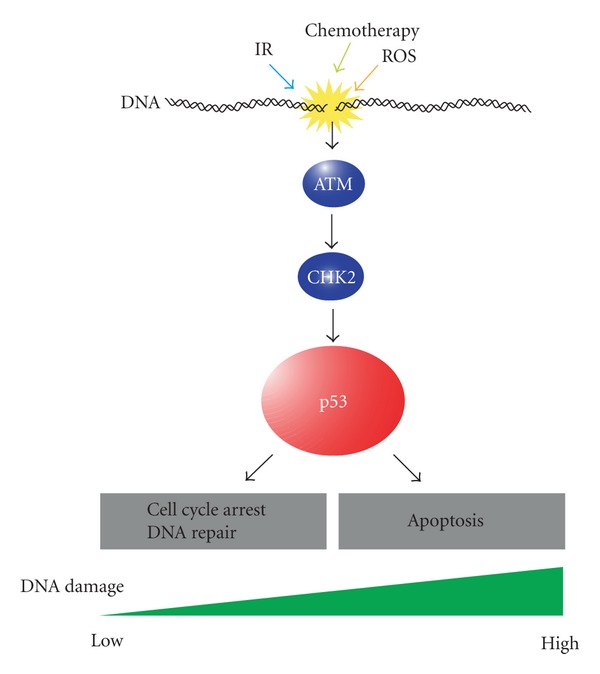
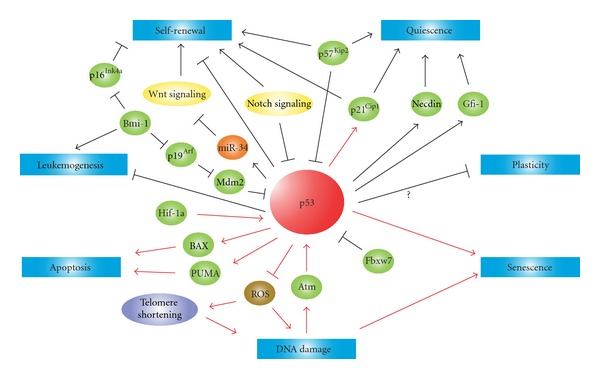
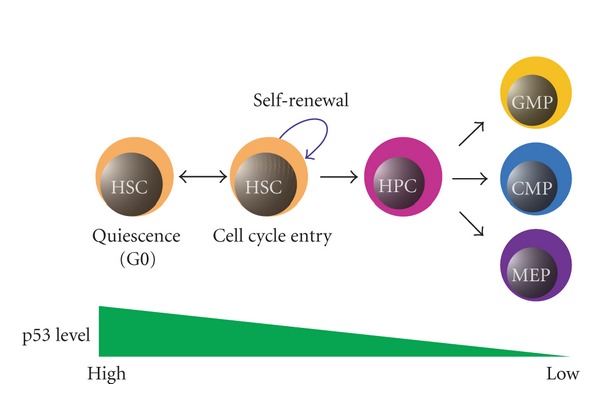
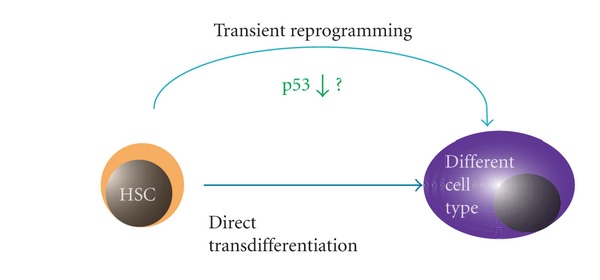
Hematopoietic stem cells (HSCs) have the capacity to self-renew as well as to differentiate into all blood cell types, and they can reconstitute hematopoiesis in recipients with bone marrow ablation. In addition, transplantation therapy using HSCs is widely performed for the treatment of various incurable diseases such as hematopoietic malignancies and congenital immunodeficiency disorders. For the safe and successful transplantation of HSCs, their genetic and epigenetic integrities need to be maintained properly. Therefore, understanding the molecular mechanisms that respond to various cellular stresses in HSCs is important. The tumor suppressor protein, p53, has been shown to play critical roles in maintenance of "cell integrity" under stress conditions by controlling its target genes that regulate cell cycle arrest, apoptosis, senescence, DNA repair, or changes in metabolism. In this paper, we summarize recent reports that describe various biological functions of HSCs and discuss the roles of p53 associated with them.
造血干细胞(HSCs)具有自我更新能力以及分化为所有血细胞类型的能力,并且它们能够在接受骨髓消融的受体中重建造血功能。此外,使用造血干细胞的移植疗法被广泛用于治疗各种无法治愈的疾病,如造血系统恶性肿瘤和先天性免疫缺陷疾病。为了实现造血干细胞的安全、成功移植,需要妥善维持其遗传和表观遗传完整性。因此,了解造血干细胞对各种细胞应激作出反应的分子机制非常重要。肿瘤抑制蛋白p53已被证明在应激条件下通过控制其调节细胞周期停滞、凋亡、衰老、DNA修复或代谢变化的靶基因,在维持“细胞完整性”方面发挥关键作用。在本文中,我们总结了描述造血干细胞各种生物学功能的最新报道,并讨论了与之相关的p53的作用。