Department of Public Health, Erasmus MC, University Medical Center Rotterdam, Rotterdam, The Netherlands.
AIDS. 2012 Jul 31;26 Suppl 1(0 1):S19-30. doi: 10.1097/QAD.0b013e3283558526.
Antiretroviral treatment (ART) coverage is rapidly expanding in sub-Saharan Africa (SSA). Based on the effect of ART on survival of HIV-infected people and HIV transmission, the age composition of the HIV epidemic in the region is expected to change in the coming decades. We quantify the change in the age composition of HIV-infected people in all countries in SSA.
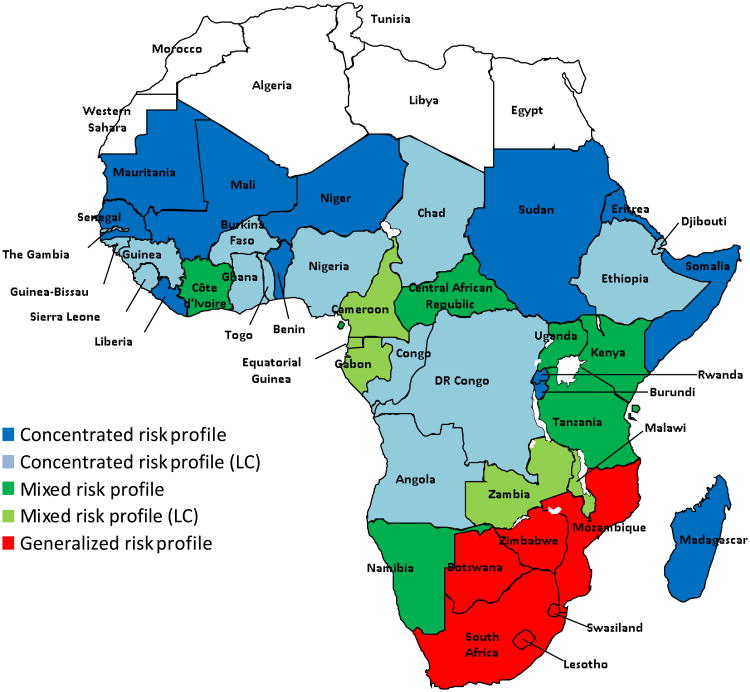
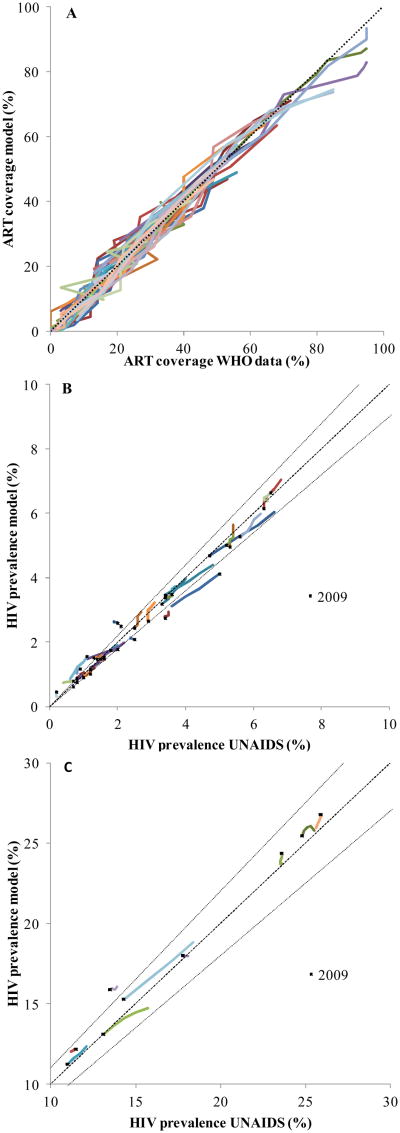
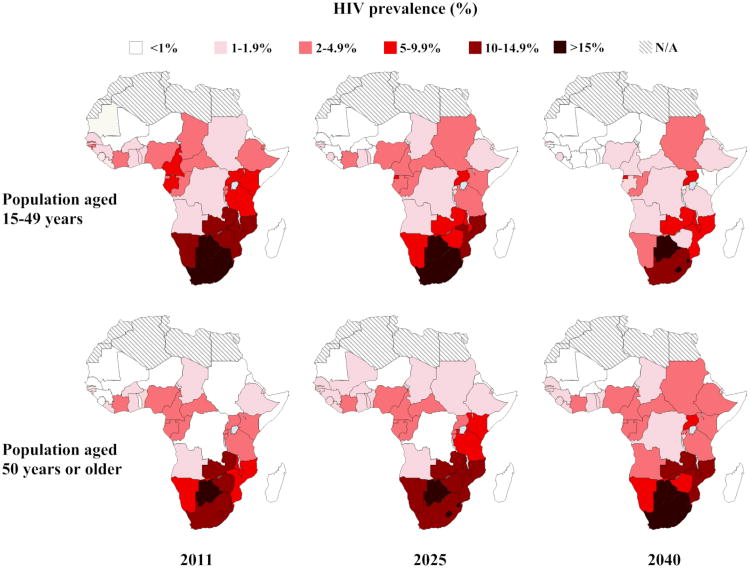
We used STDSIM, a stochastic microsimulation model, and developed an approach to represent HIV prevalence and treatment coverage in 43 countries in SSA, using publicly available data. We predict future trends in HIV prevalence and total number of HIV-infected people aged 15-49 years and 50 years or older for different ART coverage levels.
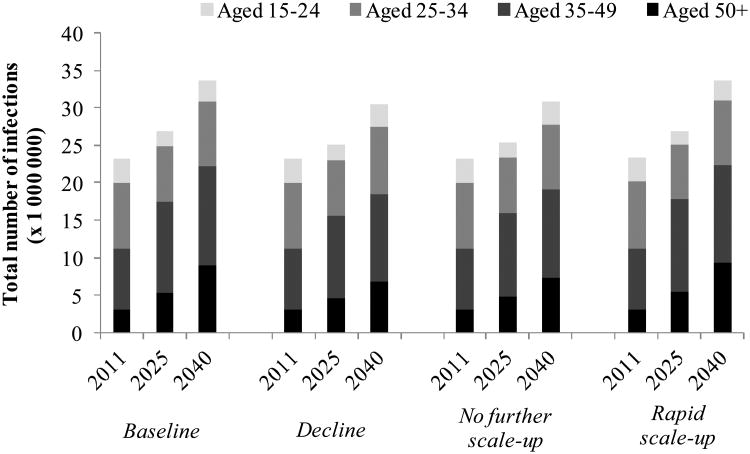
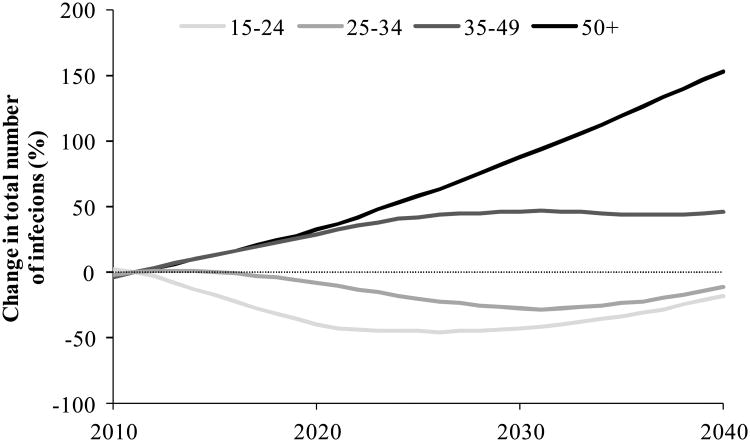
We show that, if treatment coverage continues to increase at present rates, the total number of HIV-infected people aged 50 years or older will nearly triple over the coming years: from 3.1 million in 2011 to 9.1 million in 2040, dramatically changing the age composition of the HIV epidemic in SSA. In 2011, about one in seven HIV-infected people was aged 50 years or older; in 2040, this ratio will be larger than one in four.
The HIV epidemic in SSA is rapidly ageing, implying changing needs and demands in many social sectors, including health, social care, and old-age pension systems. Health policymakers need to anticipate the impact of the changing HIV age composition in their planning for future capacity in these systems.
抗逆转录病毒治疗(ART)的覆盖范围正在撒哈拉以南非洲(SSA)迅速扩大。基于 ART 对艾滋病毒感染者生存和艾滋病毒传播的影响,预计该地区的艾滋病毒流行年龄结构将在未来几十年发生变化。我们量化了该地区所有国家艾滋病毒感染者年龄结构的变化。
我们使用 STDSIM,一种随机微观模拟模型,并开发了一种方法,使用公开数据表示 SSA 43 个国家的艾滋病毒流行率和治疗覆盖率。我们预测了不同 ART 覆盖水平下未来 15-49 岁和 50 岁及以上艾滋病毒流行率和艾滋病毒感染者总数的趋势。
我们表明,如果治疗覆盖率继续按照目前的速度增加,未来几年 50 岁及以上艾滋病毒感染者的总数将几乎翻三倍:从 2011 年的 310 万增加到 2040 年的 910 万,这将极大地改变 SSA 的艾滋病毒流行年龄结构。2011 年,约七分之一的艾滋病毒感染者年龄在 50 岁及以上;到 2040 年,这一比例将超过四分之一。
SSA 的艾滋病毒流行正在迅速老龄化,这意味着包括卫生、社会关怀和老年养恤金制度在内的许多社会部门的需求和需求正在发生变化。卫生政策制定者需要在为这些系统未来能力规划中预测艾滋病毒年龄结构变化的影响。