Jeong Dae-Kyo, Lee Sang-Chul, Huh Kyung-Hoe, Yi Won-Jin, Heo Min-Suk, Lee Sam-Sun, Choi Soon-Chul
Department of Oral and Maxillofacial Radiology and Dental Research Institute, School of Dentistry, Seoul National University, Seoul, Korea.
Imaging Sci Dent. 2012 Jun;42(2):65-70. doi: 10.5624/isd.2012.42.2.65. Epub 2012 Jun 25.
The aim of this study was to compare the effective dose for imaging of mandible between multi-detector computed tomography (MDCT) and cone-beam computed tomography (CBCT). An MDCT with low dose technique was also compared with them.
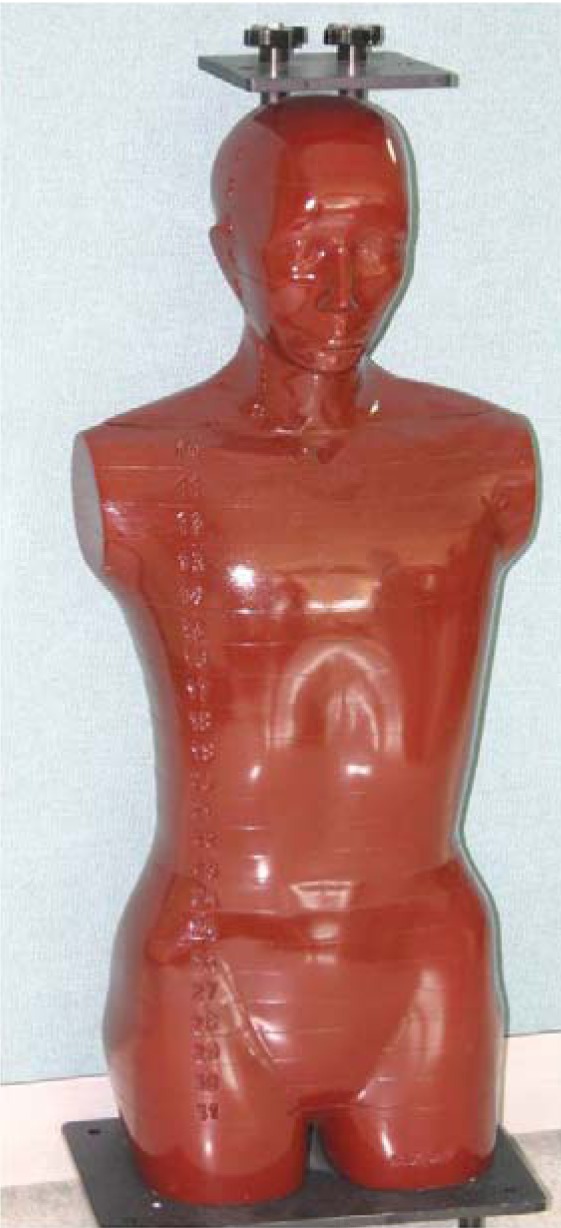
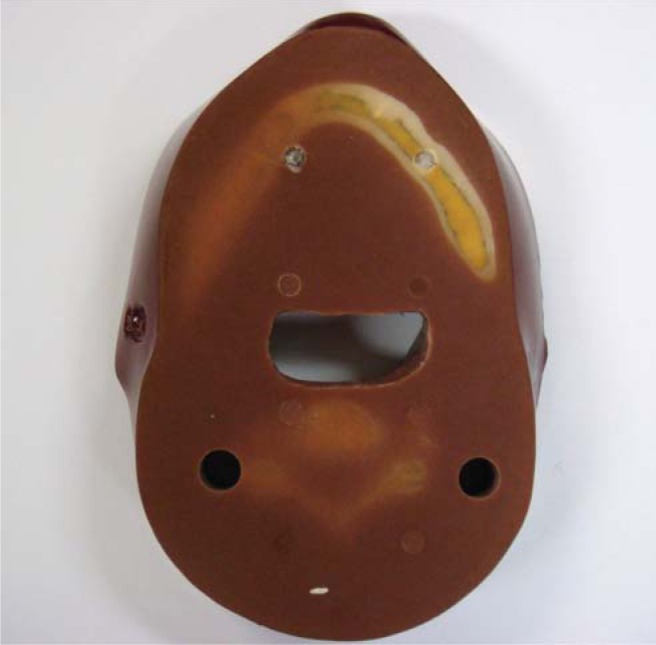
Thermoluminescent dosimeter (TLD) chips were placed at 25 organ sites of an anthropomorphic phantom. The mandible of the phantom was exposed using 2 different types of MDCT units (Somatom Sensation 10 for standard-dose MDCT, Somatom Emotion 6 for low-dose MDCT) and 3 different CBCT units (AZ3000CT, Implagraphy, and Kavo 3D eXaM). The radiation absorbed dose was measured and the effective dose was calculated according to the ICRP 2007 report.
The effective dose was the highest for Somatom Sensation 10 (425.84 µSv), followed by AZ3000CT (332.4 µSv), Somatom Emotion 6 (199.38 µSv), and 3D eXaM (111.6 µSv); it was the lowest for Implagraphy (83.09 µSv). The CBCT showed significant variation in dose level with different device.
The effective doses of MDCTs were not significantly different from those of CBCTs for imaging of mandible. The effective dose of MDCT could be markedly decreased by using the low-dose technique.
本研究旨在比较多排螺旋计算机断层扫描(MDCT)和锥形束计算机断层扫描(CBCT)对下颌骨成像的有效剂量。还将低剂量技术的MDCT与它们进行了比较。
将热释光剂量计(TLD)芯片放置在仿真人体模型的25个器官部位。使用2种不同类型的MDCT设备(用于标准剂量MDCT的Somatom Sensation 10、用于低剂量MDCT的Somatom Emotion 6)和3种不同的CBCT设备(AZ3000CT、Implagraphy和Kavo 3D eXaM)对模型的下颌骨进行照射。测量辐射吸收剂量,并根据国际辐射防护委员会2007年报告计算有效剂量。
Somatom Sensation 10的有效剂量最高(425.84µSv),其次是AZ3000CT(332.4µSv)、Somatom Emotion 6(199.38µSv)和3D eXaM(111.6µSv);Implagraphy的有效剂量最低(83.09µSv)。CBCT显示不同设备的剂量水平存在显著差异。
MDCT对下颌骨成像的有效剂量与CBCT无显著差异。使用低剂量技术可显著降低MDCT的有效剂量。