Institute of Psychiatry, King's College London, UK.
Oxid Med Cell Longev. 2012;2012:541971. doi: 10.1155/2012/541971. Epub 2012 Jun 28.
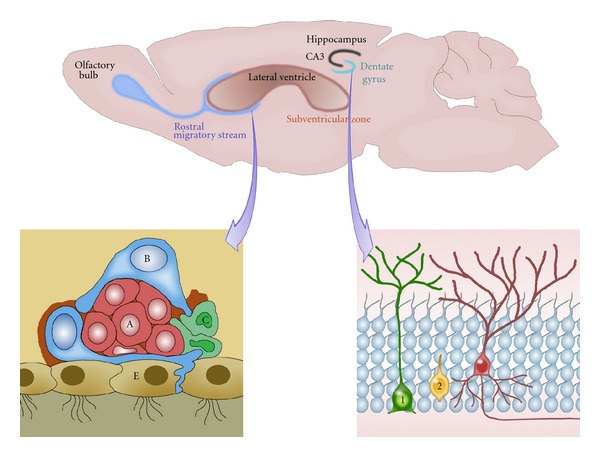
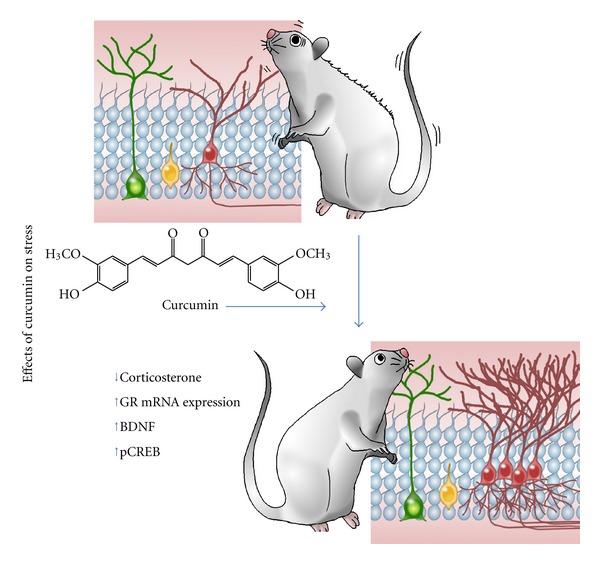
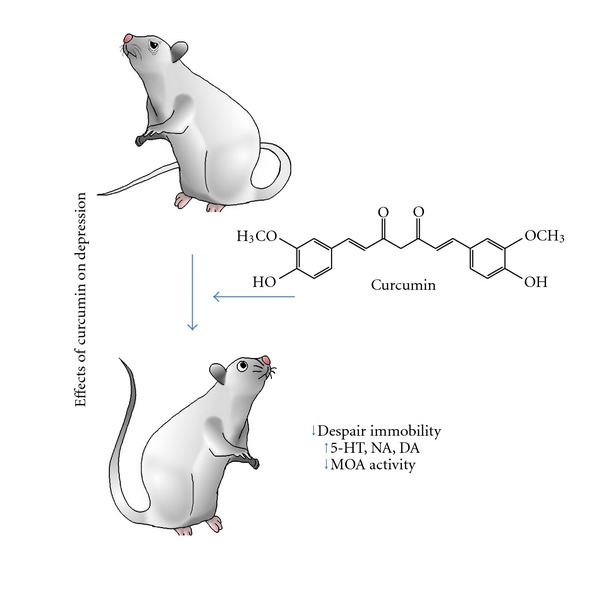
Although it has been long believed that new neurons were only generated during development, there is now growing evidence indicating that at least two regions in the brain are capable of continuously generating functional neurons: the subventricular zone and the dentate gyrus of the hippocampus. Adult hippocampal neurogenesis (AHN) is a widely observed phenomenon verified in different adult mammalian species including humans. Factors such as environmental enrichment, voluntary exercise, and diet have been linked to increased levels of AHN. Conversely, aging, stress, anxiety and depression have been suggested to hinder it. However, the mechanisms underlying these effects are still unclear and yet to be determined. In this paper, we discuss some recent findings addressing the effects of different dietary polyphenols on hippocampal cell proliferation and differentiation, models of anxiety, and depression as well as some proposed molecular mechanisms underlying those effects with particular focus on those related to AHN. As a whole, dietary polyphenols seem to exert positive effects on anxiety and depression, possibly in part via regulation of AHN. Studies on the effects of dietary polyphenols on behaviour and AHN may play an important role in the approach to use diet as part of the therapeutic interventions for mental-health-related conditions.
虽然长期以来人们一直认为新神经元仅在发育过程中产生,但现在越来越多的证据表明,大脑中至少有两个区域能够持续产生功能性神经元:脑室下区和海马的齿状回。成人海马神经发生(AHN)是一种广泛观察到的现象,在包括人类在内的不同成年哺乳动物物种中得到了验证。环境丰富、自愿运动和饮食等因素与 AHN 水平的升高有关。相反,衰老、压力、焦虑和抑郁被认为会阻碍它。然而,这些影响的机制仍不清楚,有待确定。在本文中,我们讨论了一些最近的发现,这些发现涉及不同膳食多酚对海马细胞增殖和分化、焦虑和抑郁模型的影响,以及一些提出的分子机制,特别关注与 AHN 相关的机制。总的来说,膳食多酚似乎对焦虑和抑郁有积极的影响,部分原因可能是通过调节 AHN。关于膳食多酚对行为和 AHN 的影响的研究可能在将饮食作为治疗与心理健康相关疾病的干预措施的一部分的方法中发挥重要作用。