Axe Neurosciences du CRCHUQ (CHUL), Faculté de Médecine, Université Laval Québec, QC, Canada.
Front Neuroanat. 2012 Jul 19;6:26. doi: 10.3389/fnana.2012.00026. eCollection 2012.
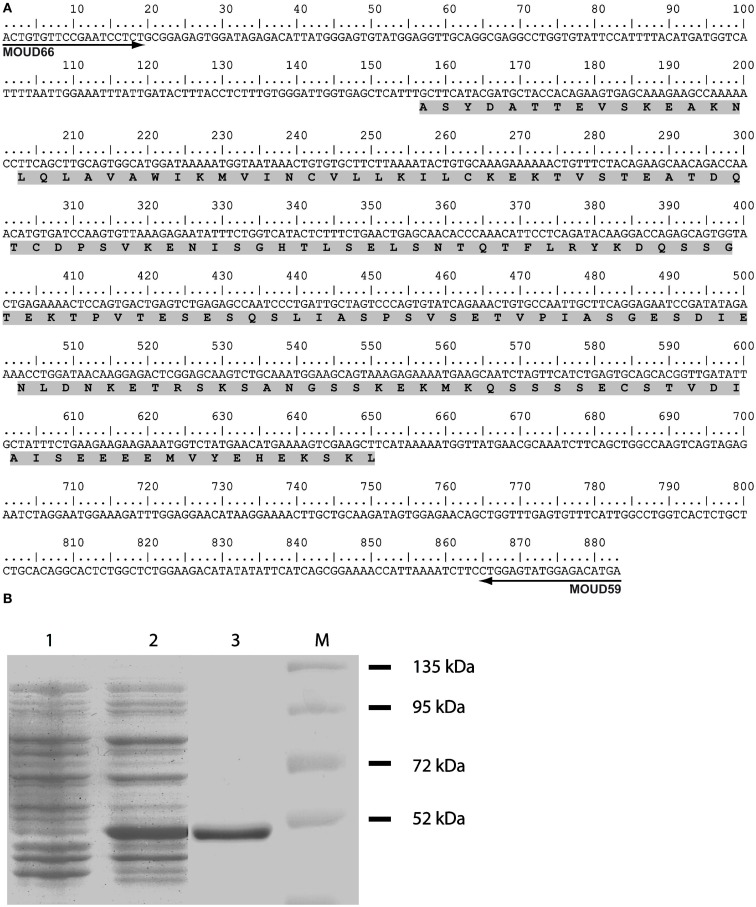
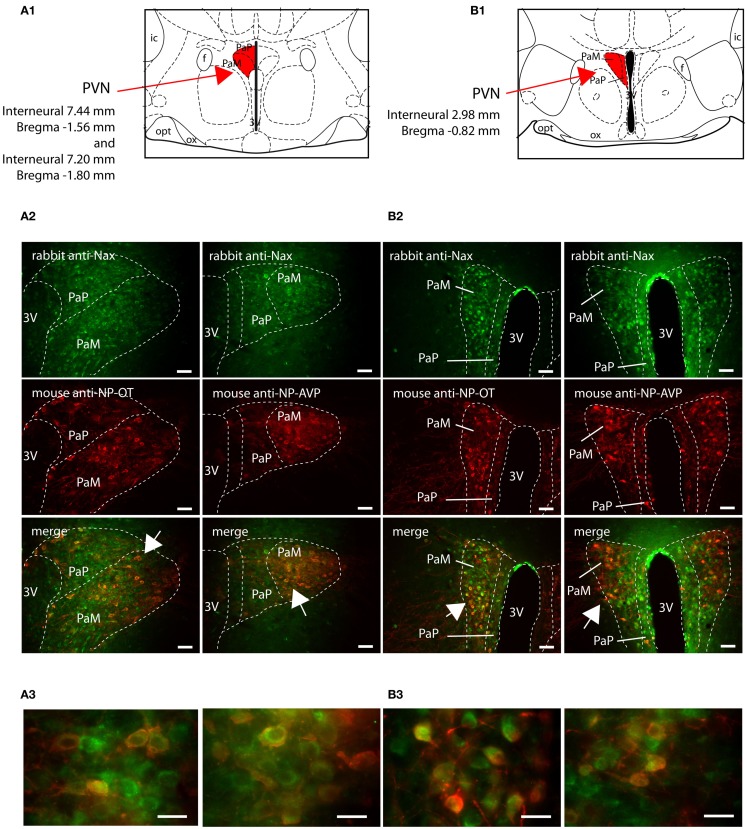
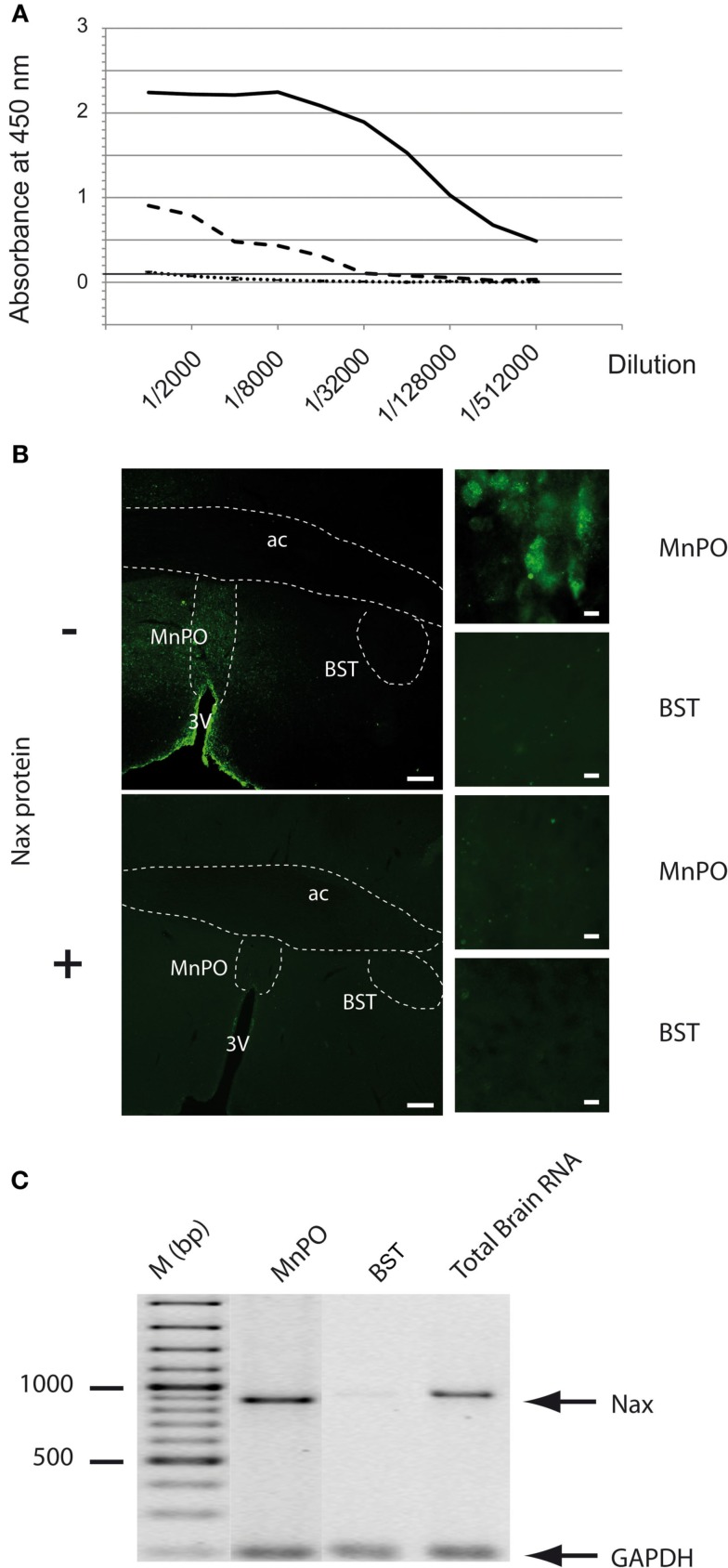
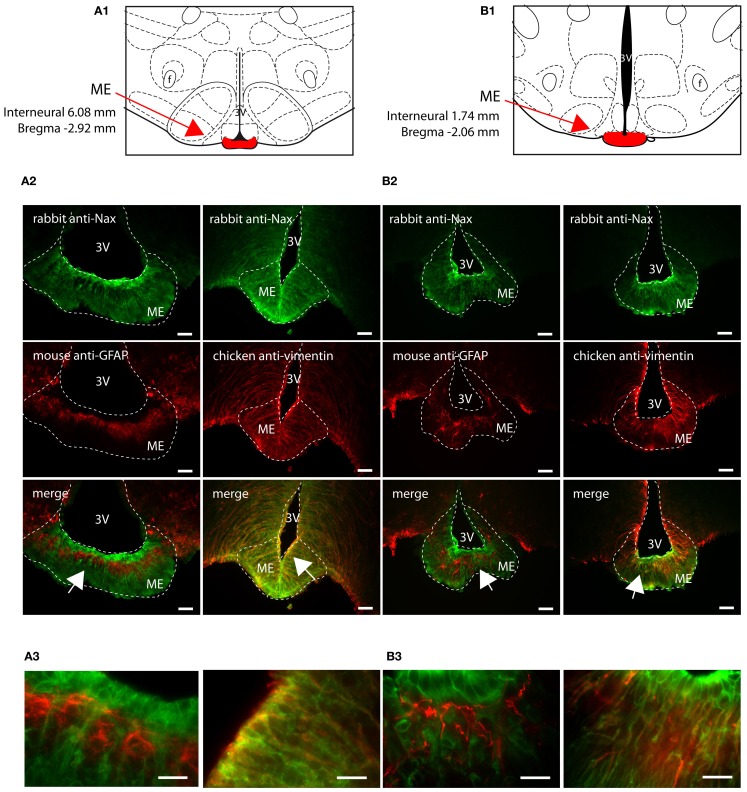
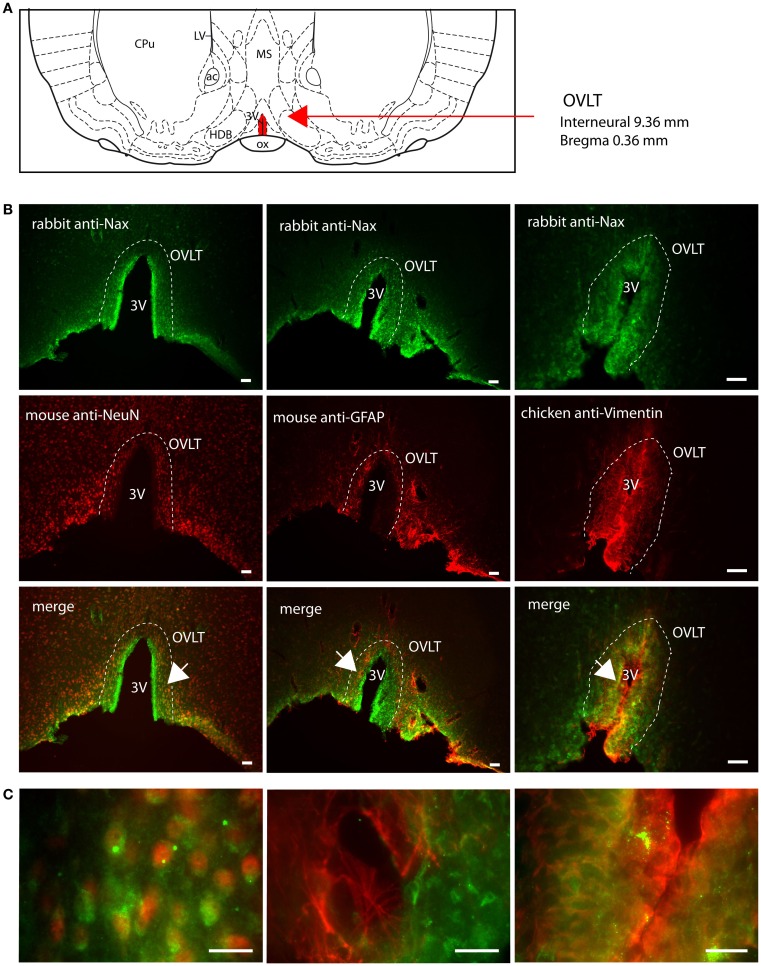
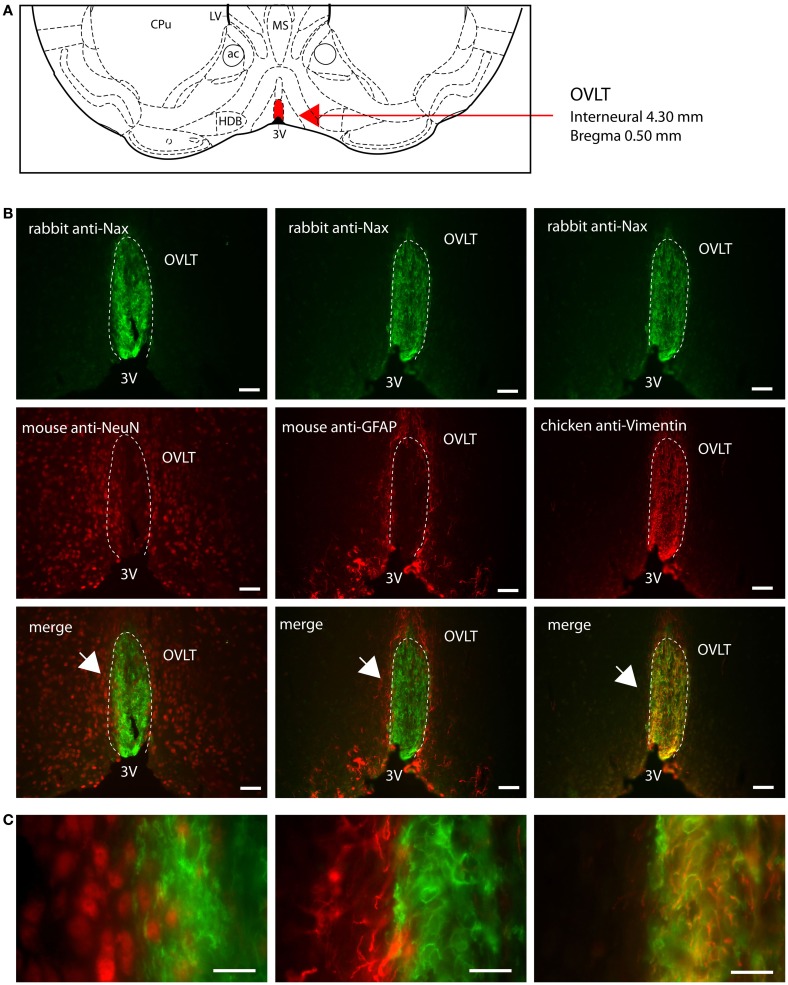
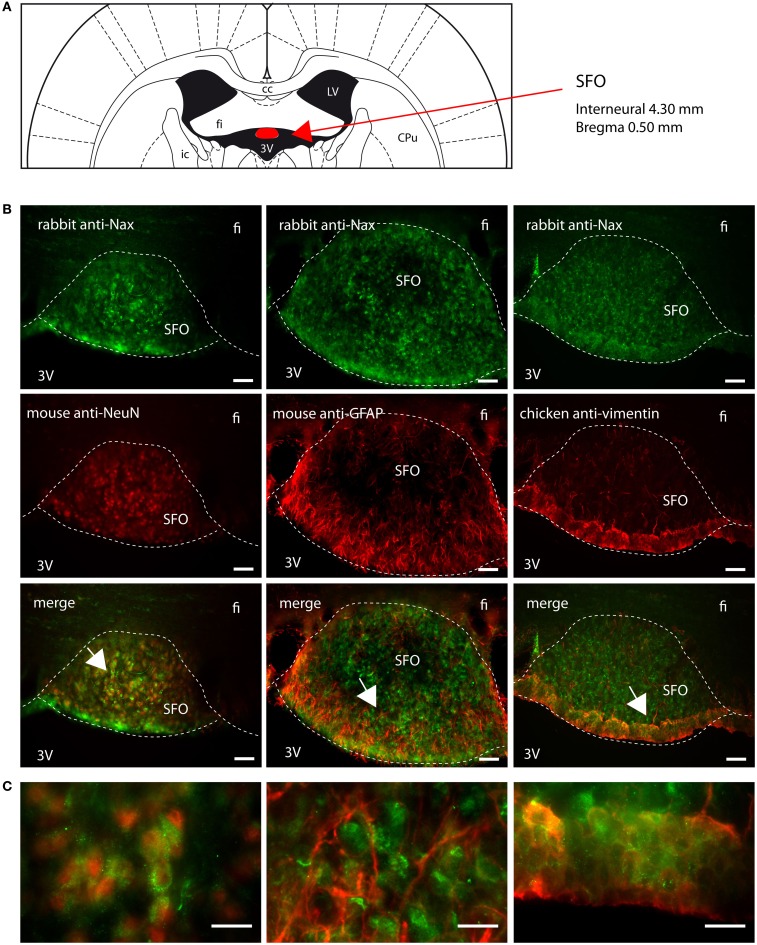
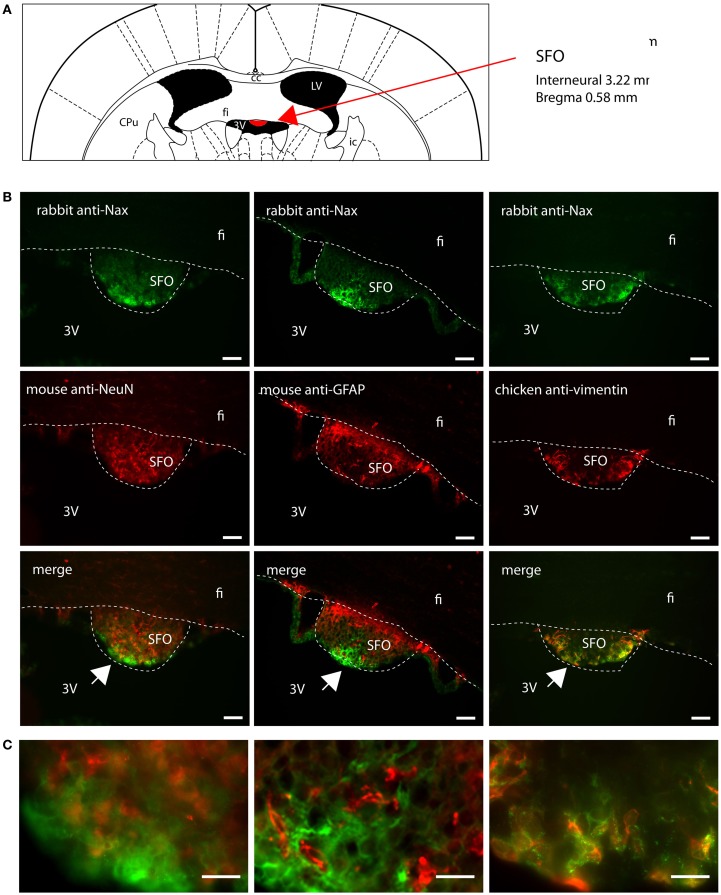
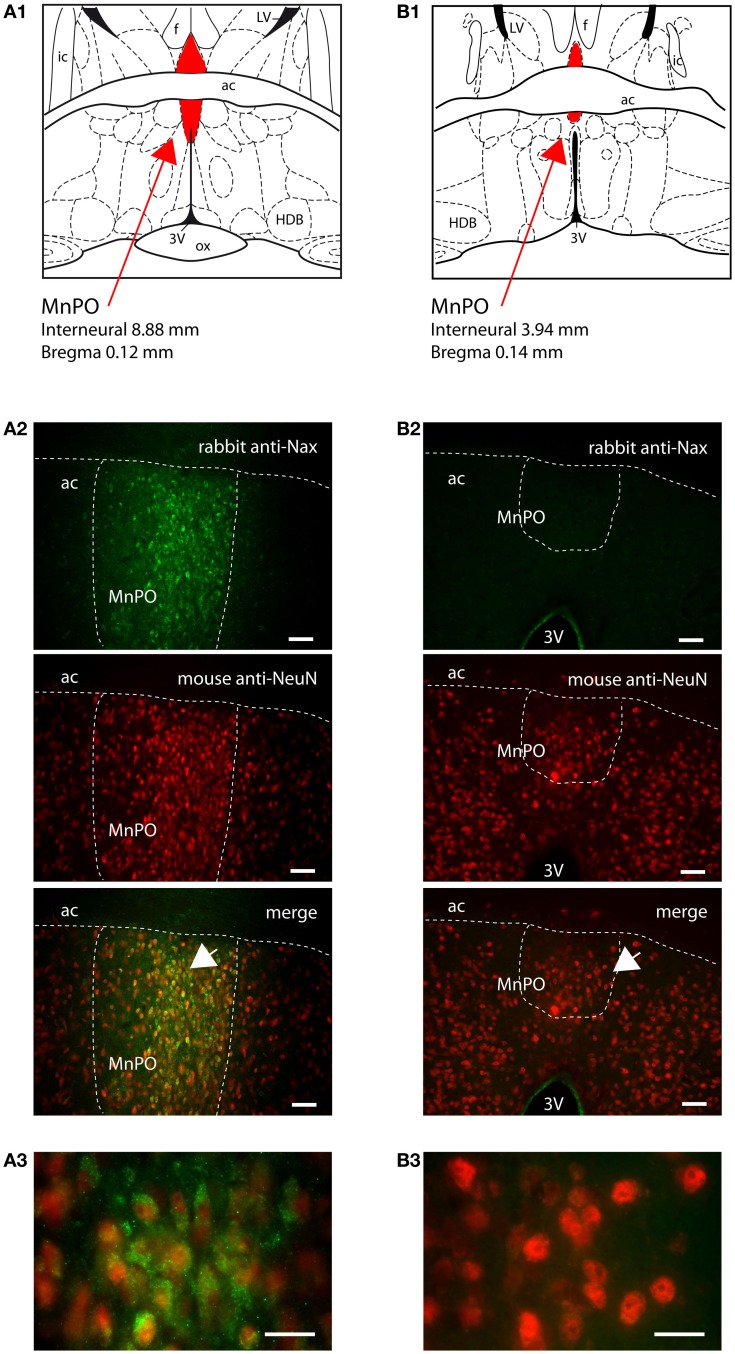
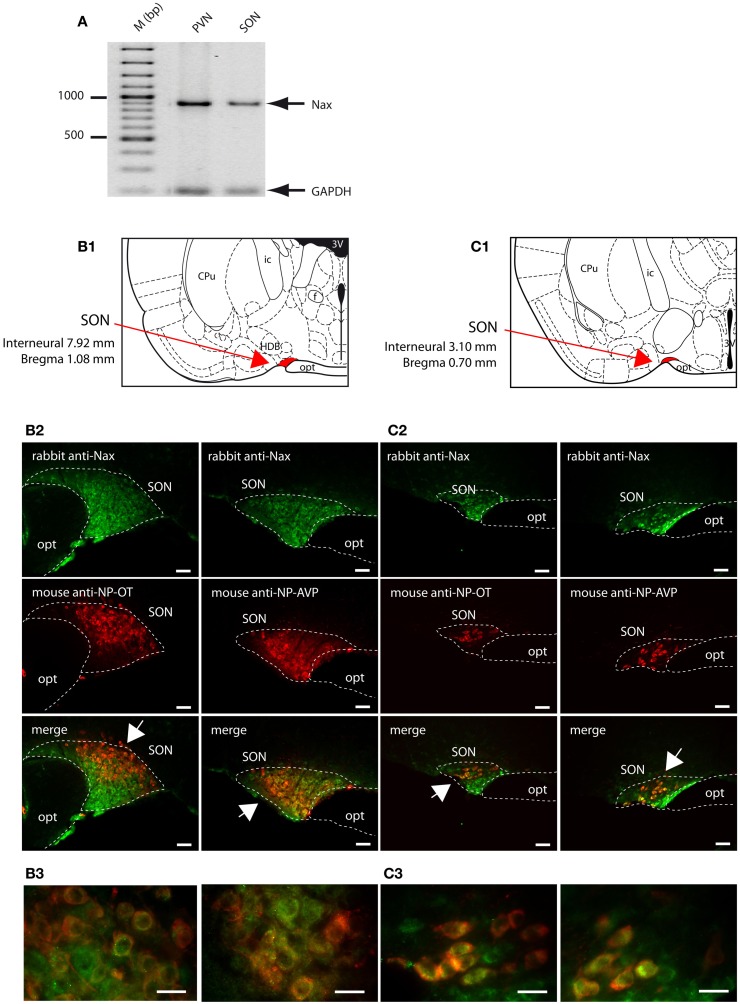
The Scn7a gene encodes for the specific sodium channel Na(X), which is considered a primary determinant of sodium sensing in the brain. Only partial data exist describing the Na(X) distribution pattern and the cell types that express Na(X) in both the rat and mouse brain. To generate a global view of the sodium detection mechanisms in the two rodent brains, we combined Na(X) immunofluorescence with fluorescent cell markers to map and identify the Na(X)-expressing cell populations throughout the network involved in hydromineral homeostasis. Here, we designed an anti-Na(X) antibody targeting the interdomain 2-3 region of the Na(X) channel's α-subunit. In both the rat and mouse, Na(X) immunostaining was colocalized with vimentin positive cells in the median eminence and with magnocellular neurons immunopositive for neurophysin associated with oxytocin or vasopressin in both the supraoptic and paraventricular nuclei. Na(X) immunostaining was also detected in neurons of the area postrema. In addition to this common Na(X) expression pattern, several differences in Na(X) immunostaining for certain structures and cell types were found between the rat and mouse. Na(X) was present in both NeuN and vimentin positive cells in the subfornical organ and the vascular organ of the lamina terminalis of the rat whereas Na(X) was only colocalized with vimentin positive cells in the mouse circumventricular organs. In addition, Na(X) immunostaining was specifically observed in NeuN immunopositive cells in the median preoptic nucleus of the rat. Overall, this study characterized the Na(X)-expressing cell types in the network controlling hydromineral homeostasis of the rat and mouse. Na(X) expression pattern was clearly different in the nuclei of the lamina terminalis of the rat and mouse, indicating that the mechanisms involved in systemic and central Na(+) sensing are specific to each rodent species.
Scn7a 基因编码特定的钠离子通道 Na(X),它被认为是大脑中钠离子感应的主要决定因素。只有部分数据描述了 Na(X)在大鼠和小鼠大脑中的分布模式和表达 Na(X)的细胞类型。为了生成这两种啮齿动物大脑中钠离子检测机制的全局视图,我们将 Na(X)免疫荧光与荧光细胞标记物相结合,以绘制和识别参与水盐稳态网络中表达 Na(X)的细胞群体。在这里,我们设计了一种针对 Na(X)通道 α 亚基的域 2-3 区域的抗 Na(X)抗体。在大鼠和小鼠中,Na(X)免疫染色与正中隆起中的波形蛋白阳性细胞以及视上核和室旁核中与催产素或加压素相关的神经垂体免疫阳性的大细胞神经元共定位。Na(X)免疫染色也在穹窿后区的神经元中被检测到。除了这种常见的 Na(X)表达模式外,我们还在大鼠和小鼠之间发现了某些结构和细胞类型的 Na(X)免疫染色存在差异。Na(X)存在于大鼠的穹窿下器官和终板血管器官中的 NeuN 和波形蛋白阳性细胞中,而在小鼠的室周器官中,Na(X)仅与波形蛋白阳性细胞共定位。此外,Na(X)免疫染色特异性地观察到大鼠中视前正中核中的 NeuN 免疫阳性细胞中。总的来说,这项研究描述了控制大鼠和小鼠水盐稳态网络中表达 Na(X)的细胞类型。大鼠和小鼠终板核中 Na(X)的表达模式明显不同,表明参与系统性和中枢性 Na(+)感应的机制在每种啮齿动物中都是特定的。