Park Sung Jean, Son Woo Sung, Lee Bong-Jin
College of Pharmacy, Gachon University, 534-2 Yeonsu 3-dong, Yeonsu-gu, Incheon 406-799, Korea.
College of Pharmacy, CHA University, 120 Haeryong-ro, Pocheon-si, Gyeonggi-do 487-010, Korea.
Int J Mol Sci. 2012;13(6):7109-7137. doi: 10.3390/ijms13067109. Epub 2012 Jun 8.
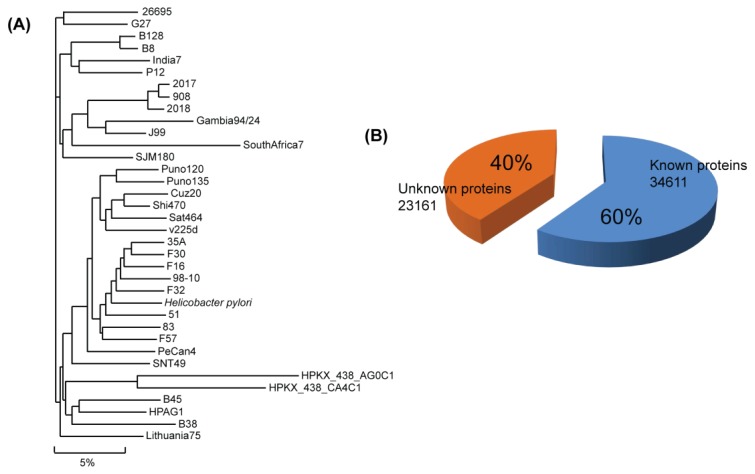
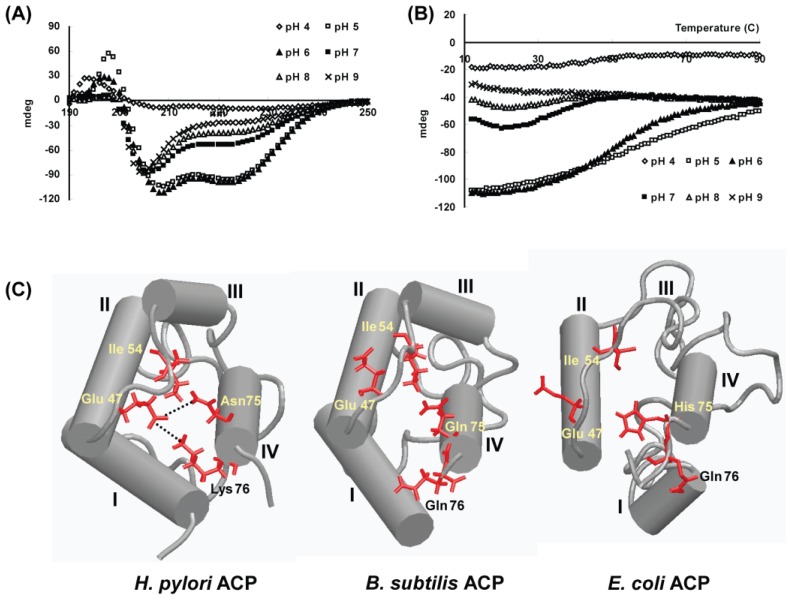
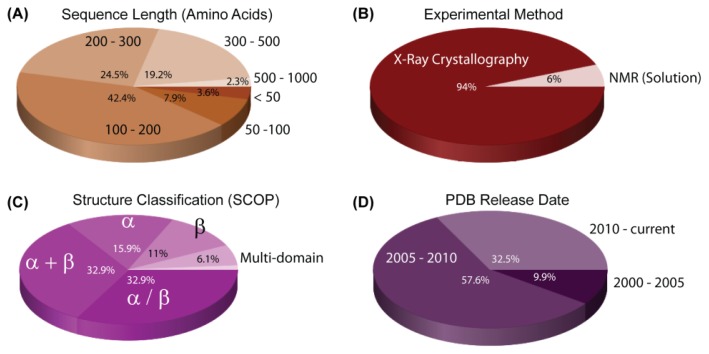
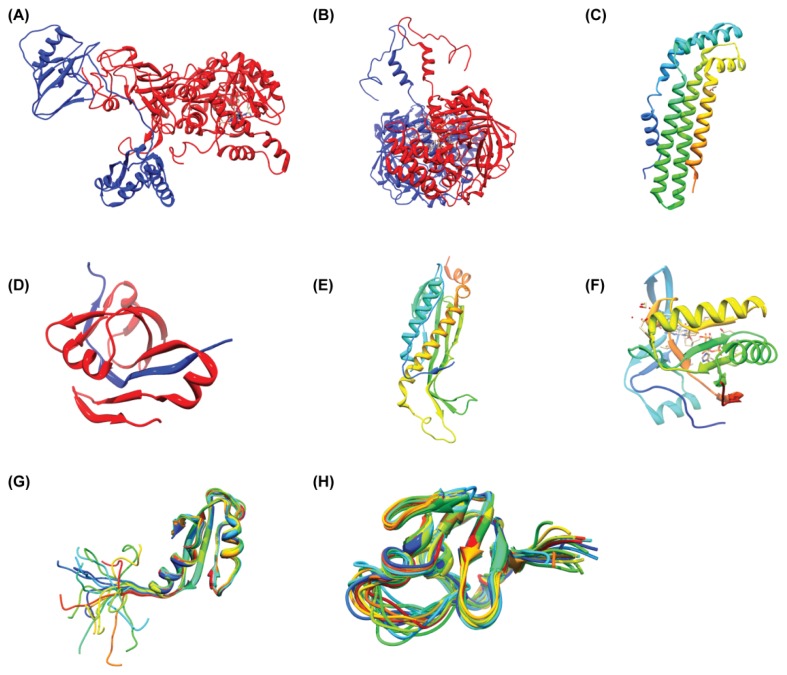
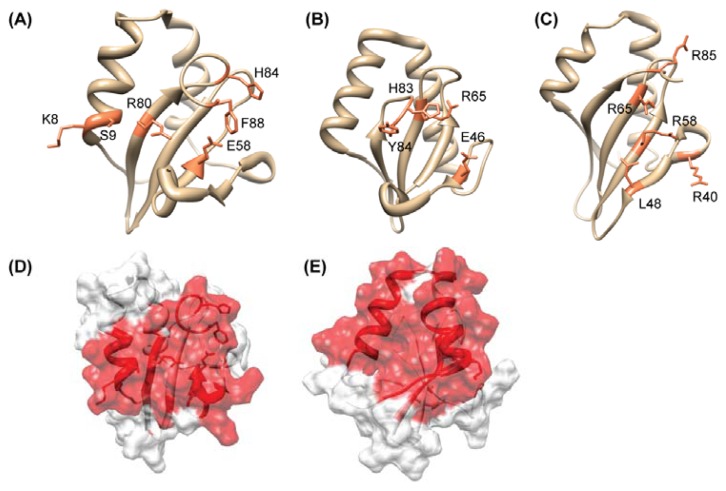
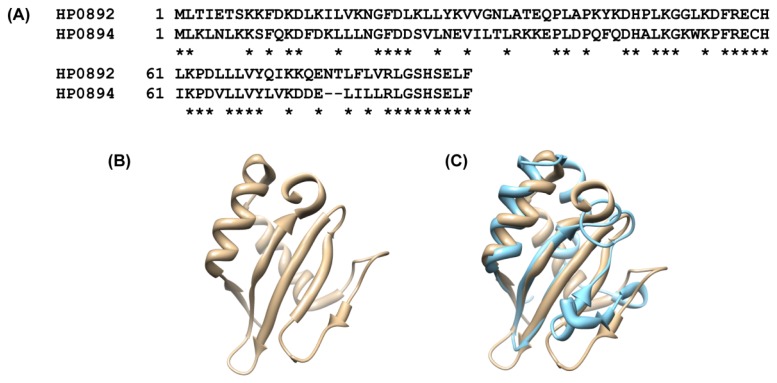
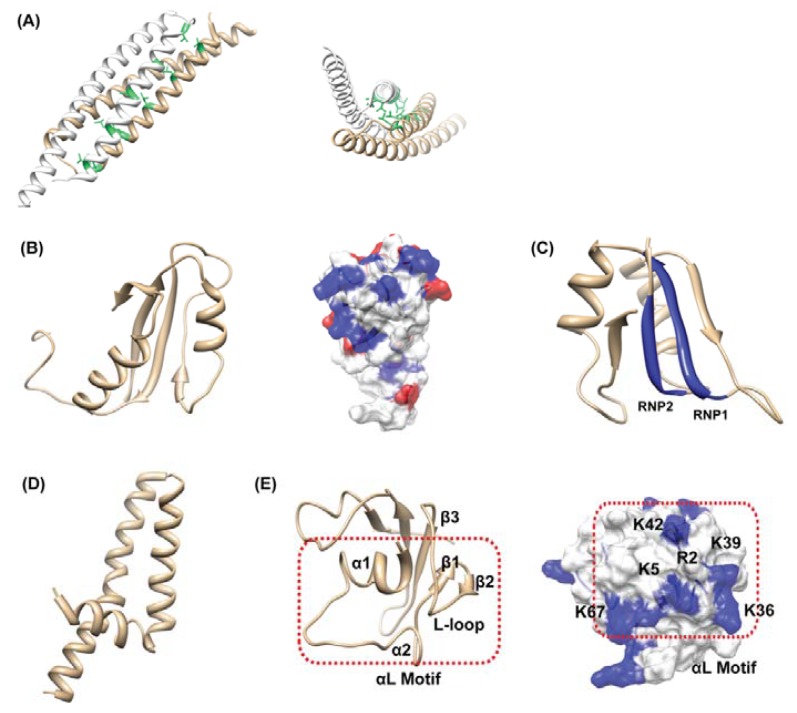
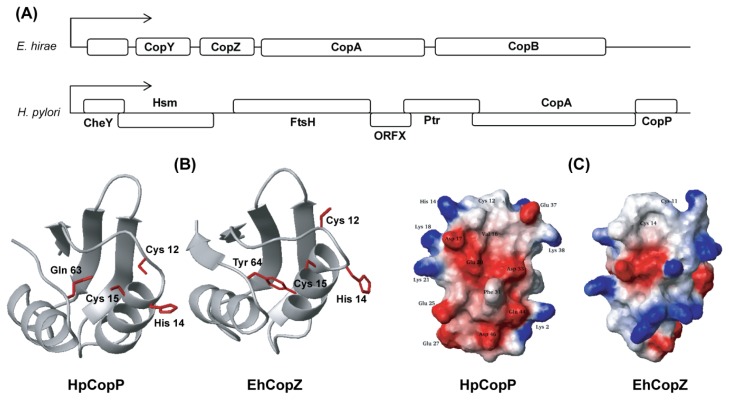
Helicobacter pylori (H. pylori) have a unique ability to survive in extreme acidic environments and to colonize the gastric mucosa. It can cause diverse gastric diseases such as peptic ulcers, chronic gastritis, mucosa-associated lymphoid tissue (MALT) lymphoma, gastric cancer, etc. Based on genomic research of H. pylori, over 1600 genes have been functionally identified so far. However, H. pylori possess some genes that are uncharacterized since: (i) the gene sequences are quite new; (ii) the function of genes have not been characterized in any other bacterial systems; and (iii) sometimes, the protein that is classified into a known protein based on the sequence homology shows some functional ambiguity, which raises questions about the function of the protein produced in H. pylori. Thus, there are still a lot of genes to be biologically or biochemically characterized to understand the whole picture of gene functions in the bacteria. In this regard, knowledge on the 3D structure of a protein, especially unknown or hypothetical protein, is frequently useful to elucidate the structure-function relationship of the uncharacterized gene product. That is, a structural comparison with known proteins provides valuable information to help predict the cellular functions of hypothetical proteins. Here, we show the 3D structures of some hypothetical proteins determined by NMR spectroscopy and X-ray crystallography as a part of the structural genomics of H. pylori. In addition, we show some successful approaches of elucidating the function of unknown proteins based on their structural information.
幽门螺杆菌(H. pylori)具有在极端酸性环境中生存并定殖于胃黏膜的独特能力。它可引发多种胃部疾病,如消化性溃疡、慢性胃炎、黏膜相关淋巴组织(MALT)淋巴瘤、胃癌等。基于幽门螺杆菌的基因组研究,迄今已在功能上鉴定出1600多个基因。然而,幽门螺杆菌仍拥有一些未被表征的基因,原因如下:(i)基因序列相当新;(ii)这些基因的功能尚未在任何其他细菌系统中得到表征;(iii)有时,基于序列同源性被归类为已知蛋白质的蛋白质显示出一些功能上的模糊性,这引发了对幽门螺杆菌中产生的蛋白质功能的质疑。因此,仍有许多基因有待从生物学或生物化学角度进行表征,以全面了解该细菌中基因功能的全貌。在这方面,关于蛋白质三维结构的知识,尤其是未知或假设蛋白质的三维结构,对于阐明未表征基因产物的结构 - 功能关系常常很有用。也就是说,与已知蛋白质的结构比较可提供有价值的信息,以帮助预测假设蛋白质的细胞功能。在此,我们展示了通过核磁共振光谱和X射线晶体学确定的一些假设蛋白质的三维结构,作为幽门螺杆菌结构基因组学的一部分。此外,我们还展示了一些基于未知蛋白质结构信息阐明其功能的成功方法。