Silva Diana F, Selfridge J Eva, Lu Jianghua, E Lezi, Cardoso Sandra M, Swerdlow Russell H
Department of Neurology, University of Kansas School of Medicine, Kansas City, KS, USA.
Adv Pharmacol. 2012;64:83-126. doi: 10.1016/B978-0-12-394816-8.00003-9.
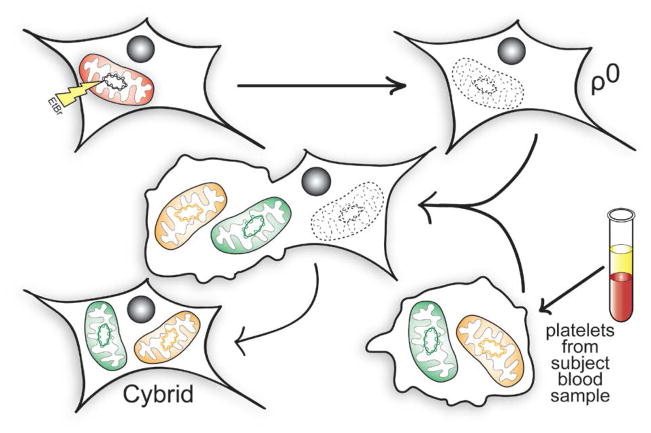
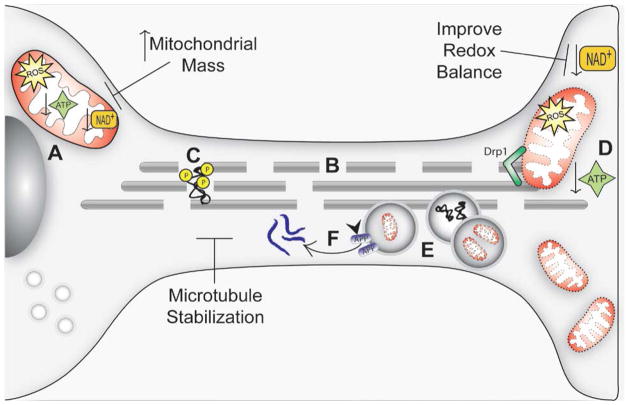
Mitochondria from persons with Alzheimer's disease (AD) differ from those of age-matched control subjects. Differences in mitochondrial morphology and function are well documented, and are not brain-limited. Some of these differences are present during all stages of AD, and are even seen in individuals who are without AD symptoms and signs but who have an increased risk of developing AD. This chapter considers the status of mitochondria in AD subjects, the potential basis for AD subject mitochondrial perturbations, and the implications of these perturbations. Data from multiple lines of investigation, including epidemiologic, biochemical, molecular, and cytoplasmic hybrid studies, are reviewed. The possibility that mitochondria could potentially constitute a reasonable AD therapeutic target is discussed, as are several potential mitochondrial medicine treatment strategies.
阿尔茨海默病(AD)患者的线粒体与年龄匹配的对照受试者的线粒体不同。线粒体形态和功能的差异已有充分记录,且并非局限于大脑。其中一些差异在AD的所有阶段都存在,甚至在没有AD症状和体征但患AD风险增加的个体中也能看到。本章探讨了AD患者线粒体的状况、AD患者线粒体扰动的潜在基础以及这些扰动的影响。回顾了包括流行病学、生物化学、分子和细胞质杂交研究等多方面的调查数据。讨论了线粒体有可能成为合理的AD治疗靶点的可能性,以及几种潜在的线粒体医学治疗策略。