Transplant Research Center, Brigham and Women's Hospital and Children's Hospital Boston, Harvard Medical School, Boston, Massachusetts, USA.
Nat Immunol. 2012 Oct;13(10):981-90. doi: 10.1038/ni.2390. Epub 2012 Jul 29.
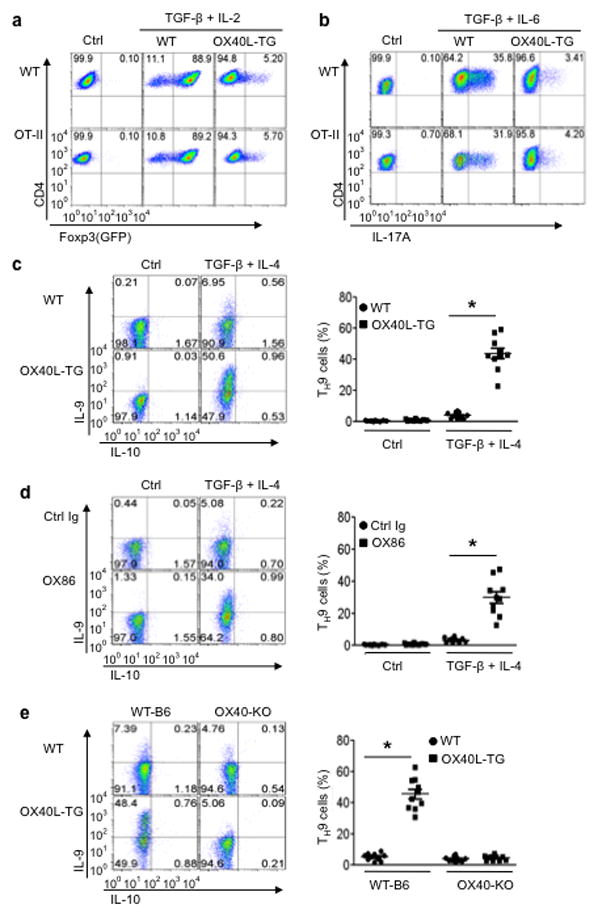
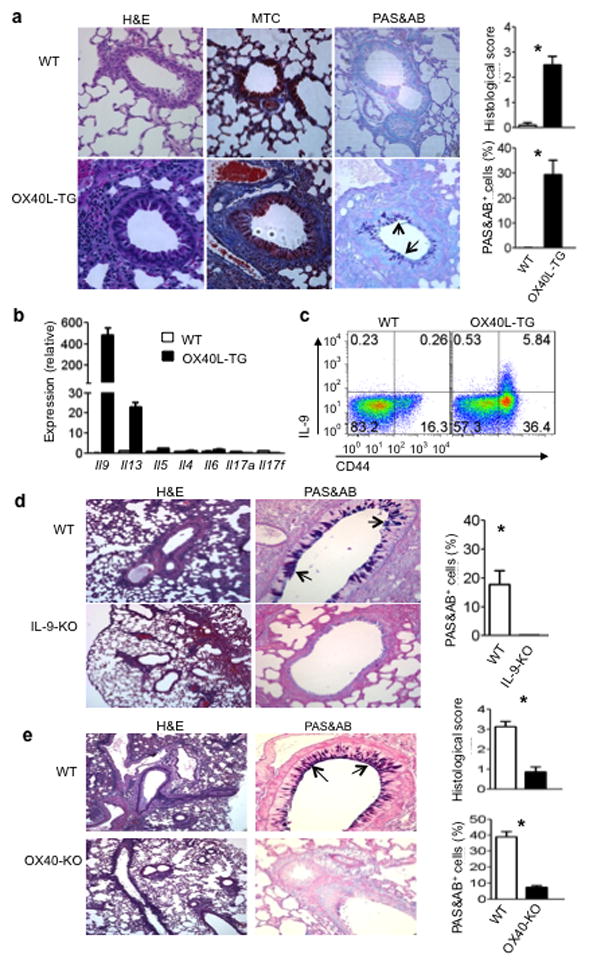
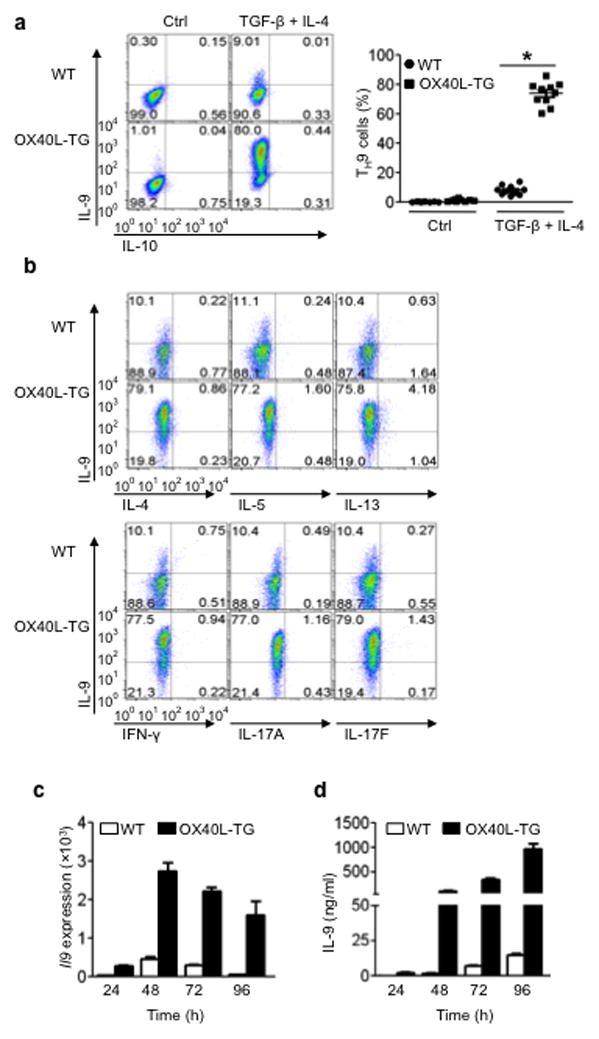
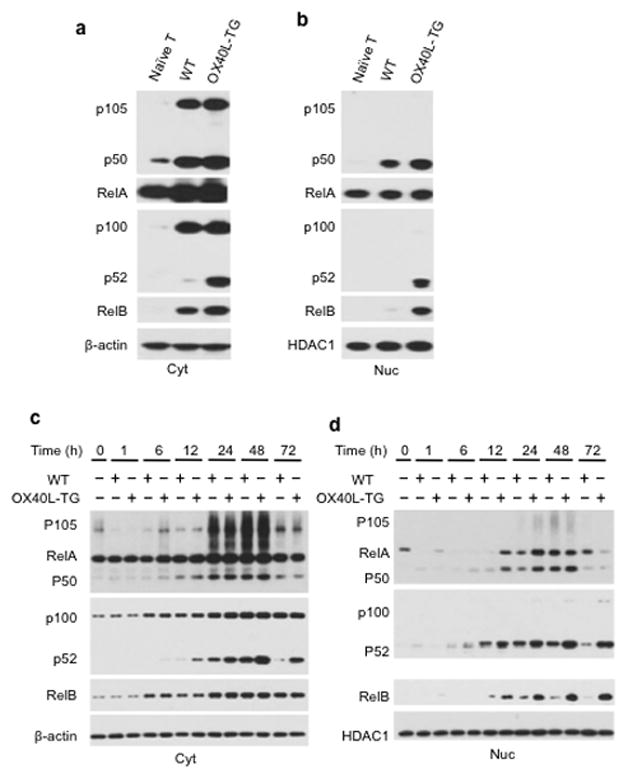
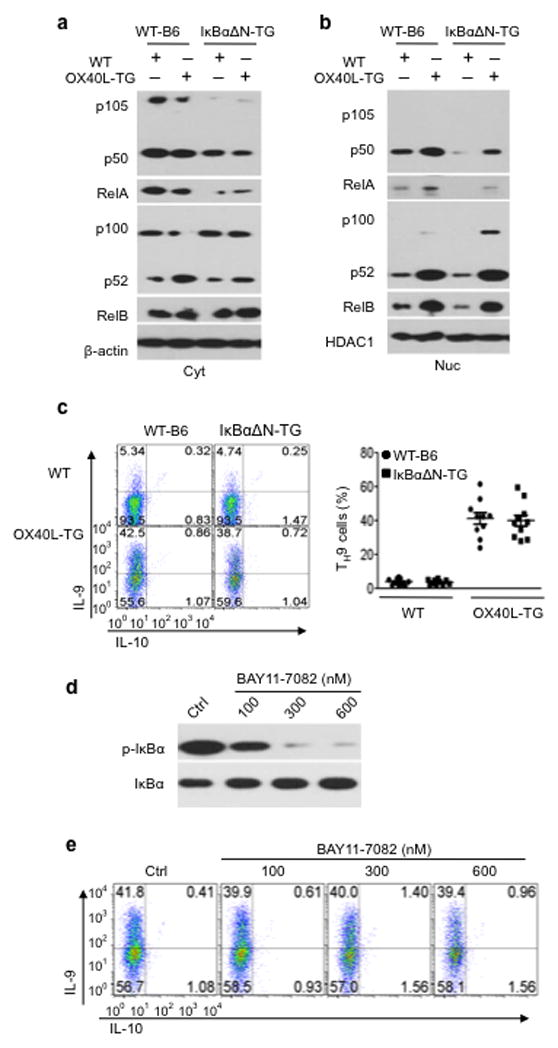
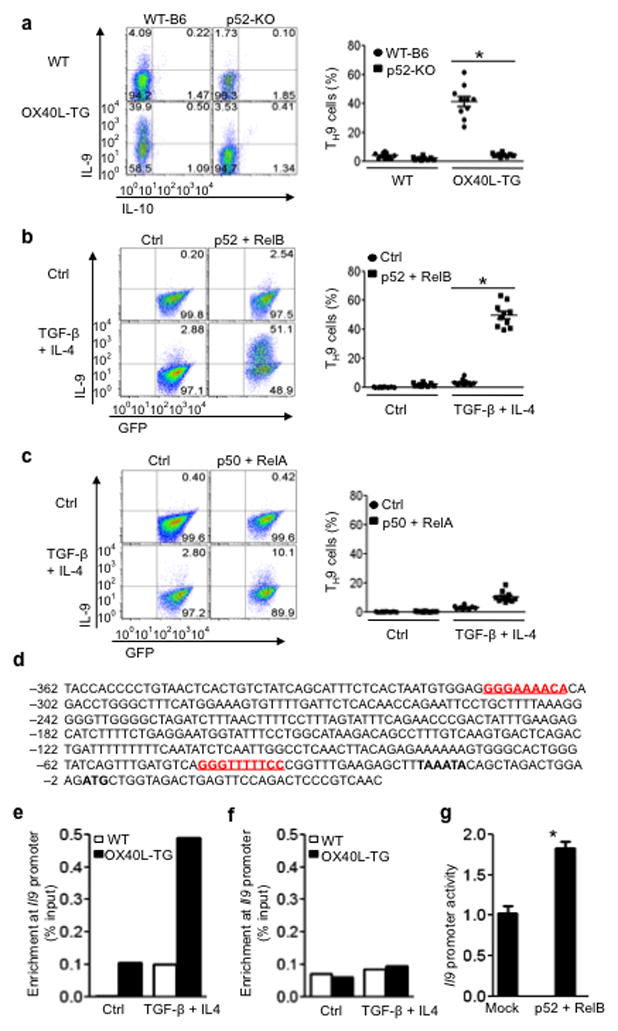
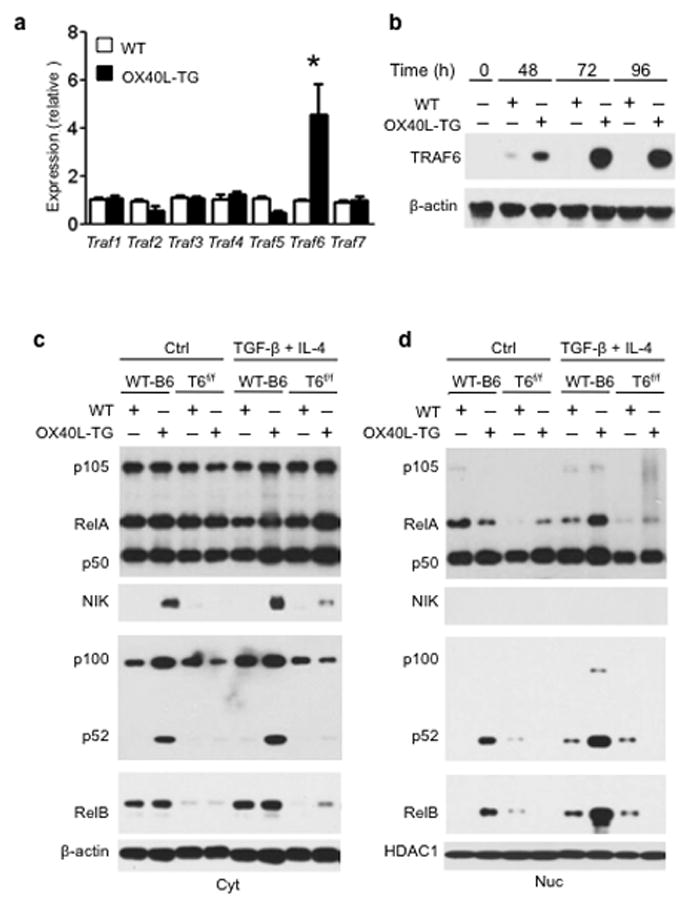
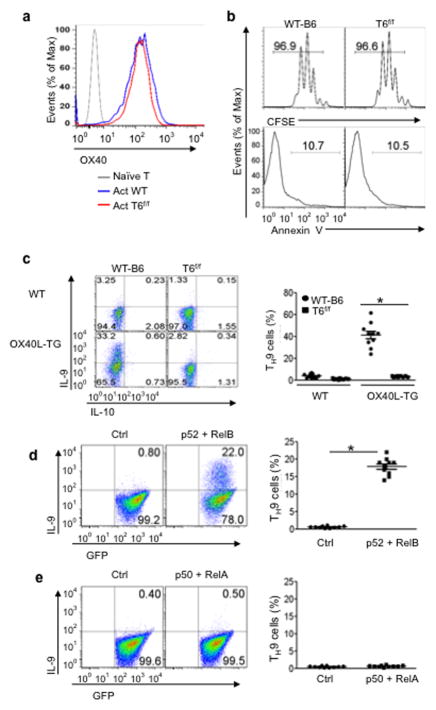
The mechanisms that regulate the T(H)9 subset of helper T cells and diseases mediated by T(H)9 cells remain poorly defined. Here we found that the costimulatory receptor OX40 was a powerful inducer of T(H)9 cells in vitro and T(H)9 cell-dependent airway inflammation in vivo. In polarizing conditions based on transforming growth factor-β (TGF-β), ligation of OX40 inhibited the production of induced regulatory T cells and the T(H)17 subset of helper T cells and diverted CD4(+)Foxp3(-) T cells to a T(H)9 phenotype. Mechanistically, OX40 activated the ubiquitin ligase TRAF6, which triggered induction of the kinase NIK in CD4(+) T cells and the noncanonical transcription factor NF-κB pathway; this subsequently led to the generation of T(H)9 cells. Thus, our study identifies a previously unknown mechanism for the induction of T(H)9 cells and may have important clinical implications in allergic inflammation.
调节辅助性 T 细胞 TH9 亚群的机制和 TH9 细胞介导的疾病仍未得到明确界定。在这里,我们发现共刺激受体 OX40 是体外诱导 TH9 细胞和体内依赖 TH9 细胞的气道炎症的强大诱导剂。在基于转化生长因子-β(TGF-β)的极化条件下,OX40 的配体结合抑制了诱导性调节性 T 细胞和辅助性 T 细胞 TH17 亚群的产生,并将 CD4(+)Foxp3(-)T 细胞向 TH9 表型分化。从机制上讲,OX40 激活了泛素连接酶 TRAF6,从而触发了 CD4(+)T 细胞中激酶 NIK 的诱导和非典型转录因子 NF-κB 途径;这继而导致了 TH9 细胞的产生。因此,我们的研究确定了诱导 TH9 细胞的一种先前未知的机制,在过敏炎症中可能具有重要的临床意义。