School of Chinese Medicine, The University of Hong Kong, Estates Building, 10 Sassoon Road, Hong Kong.
Evid Based Complement Alternat Med. 2012;2012:873175. doi: 10.1155/2012/873175. Epub 2012 Jul 12.
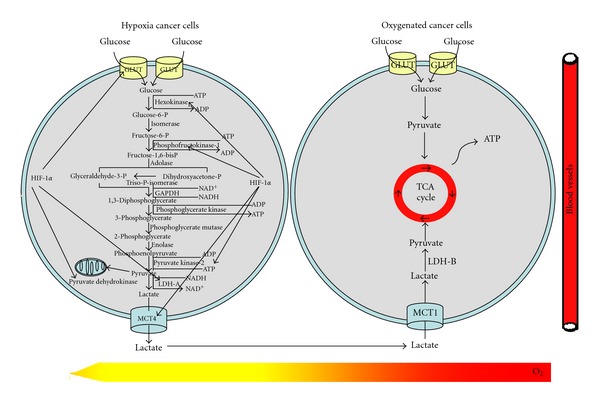
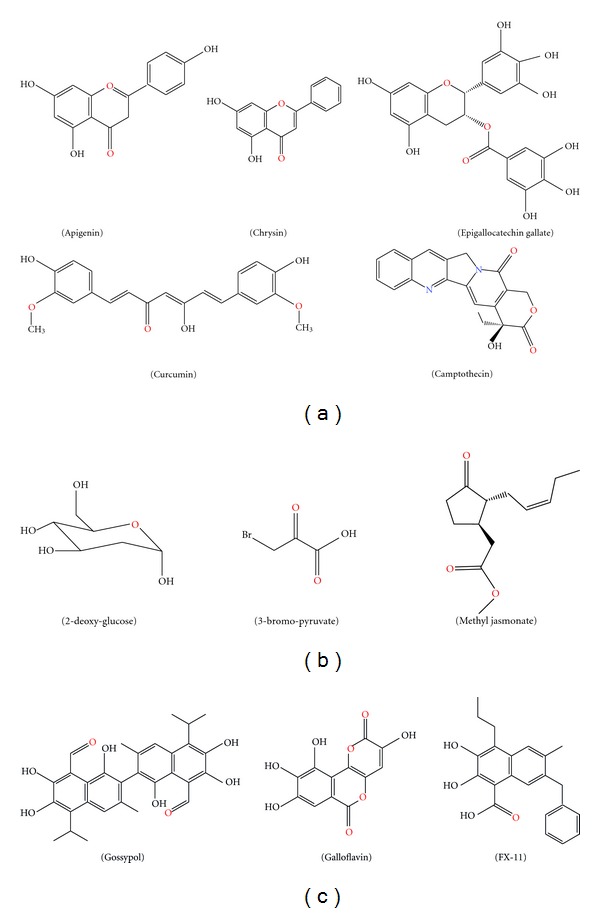
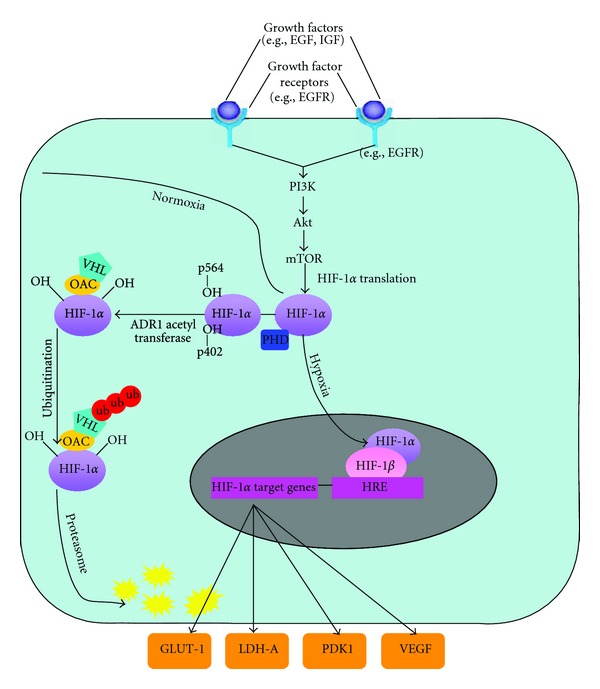
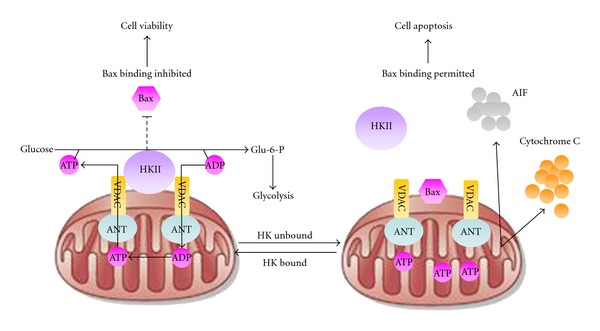
Molecular-targeted therapy has been developed for cancer chemoprevention and treatment. Cancer cells have different metabolic properties from normal cells. Normal cells mostly rely upon the process of mitochondrial oxidative phosphorylation to produce energy whereas cancer cells have developed an altered metabolism that allows them to sustain higher proliferation rates. Cancer cells could predominantly produce energy by glycolysis even in the presence of oxygen. This alternative metabolic characteristic is known as the "Warburg Effect." Although the exact mechanisms underlying the Warburg effect are unclear, recent progress indicates that glycolytic pathway of cancer cells could be a critical target for drug discovery. With a long history in cancer treatment, traditional Chinese medicine (TCM) is recognized as a valuable source for seeking bioactive anticancer compounds. A great progress has been made to identify active compounds from herbal medicine targeting on glycolysis for cancer treatment. Herein, we provide an overall picture of the current understanding of the molecular targets in the cancer glycolytic pathway and reviewed active compounds from Chinese herbal medicine with the potentials to inhibit the metabolic targets for cancer treatment. Combination of TCM with conventional therapies will provide an attractive strategy for improving clinical outcome in cancer treatment.
分子靶向治疗已被开发用于癌症的化学预防和治疗。癌细胞具有不同于正常细胞的代谢特性。正常细胞主要依赖于线粒体氧化磷酸化过程来产生能量,而癌细胞已经发展出一种改变的代谢方式,使其能够维持更高的增殖率。癌细胞即使在有氧气的情况下,也可以主要通过糖酵解来产生能量。这种替代代谢特性被称为“瓦堡效应”。尽管瓦堡效应的确切机制尚不清楚,但最近的进展表明,癌细胞的糖酵解途径可能是药物发现的一个关键靶点。作为癌症治疗的传统方法,中药(TCM)被认为是寻找生物活性抗癌化合物的有价值的来源。在从草药中鉴定针对糖酵解的抗癌治疗的活性化合物方面已经取得了重大进展。在此,我们全面介绍了癌症糖酵解途径中的分子靶点的当前认识,并综述了具有抑制代谢靶点用于癌症治疗潜力的中草药中的活性化合物。将 TCM 与传统疗法相结合将为改善癌症治疗的临床效果提供一种有吸引力的策略。