State Key Laboratory of Advanced Technology for Materials Synthesis and Processing and Biomedical Materials and Engineering Center, Wuhan University of Technology, Wuhan, China.
Int J Nanomedicine. 2012;7:3295-307. doi: 10.2147/IJN.S32678. Epub 2012 Jul 6.
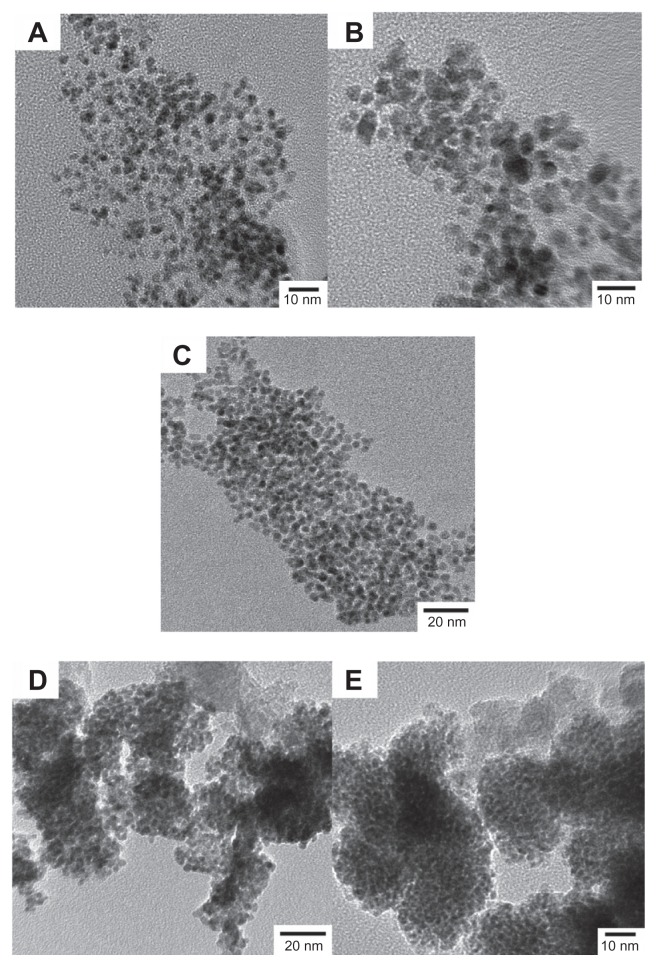
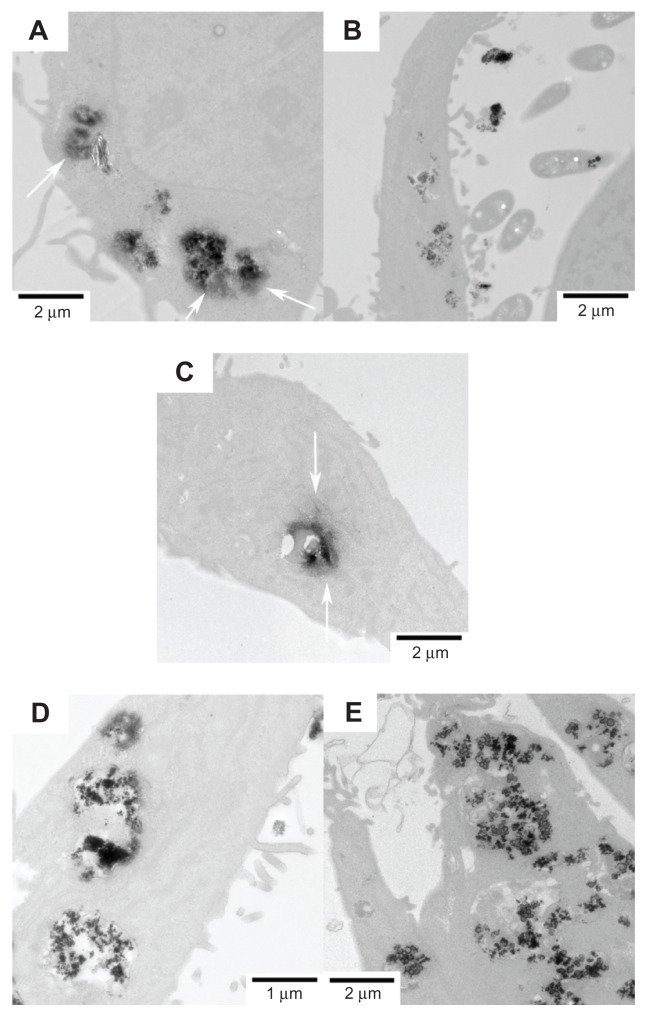
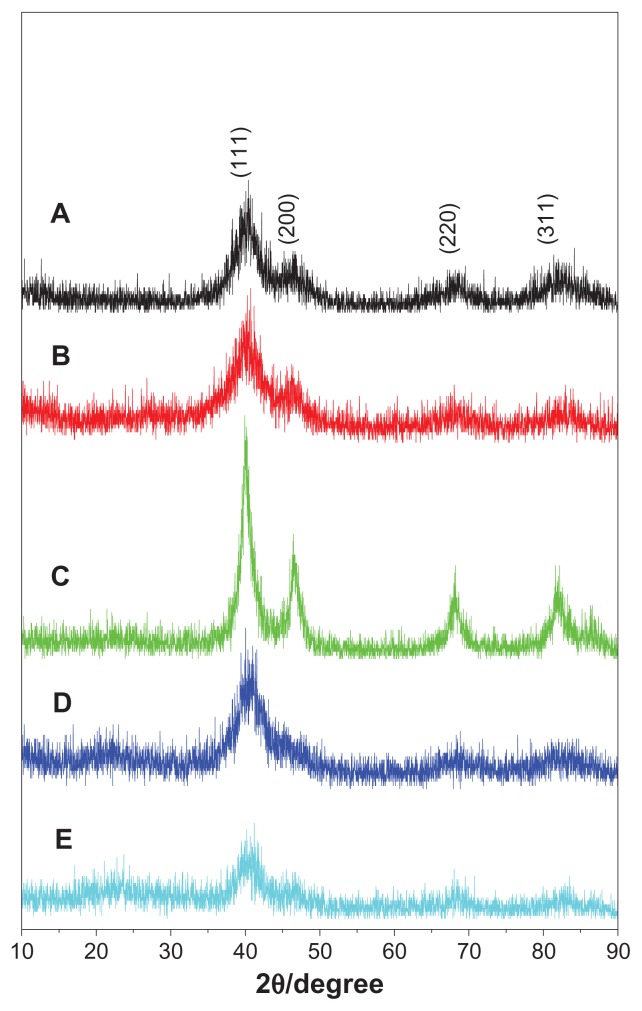
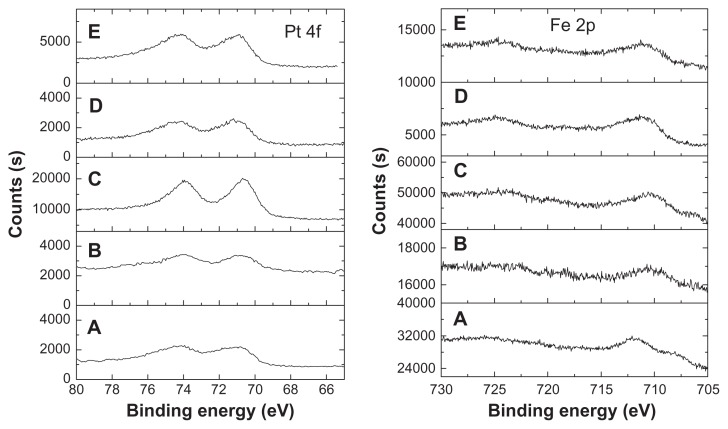
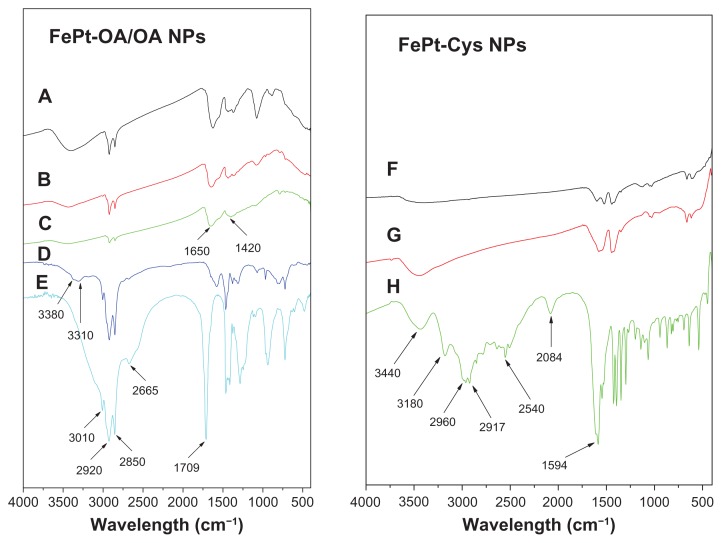
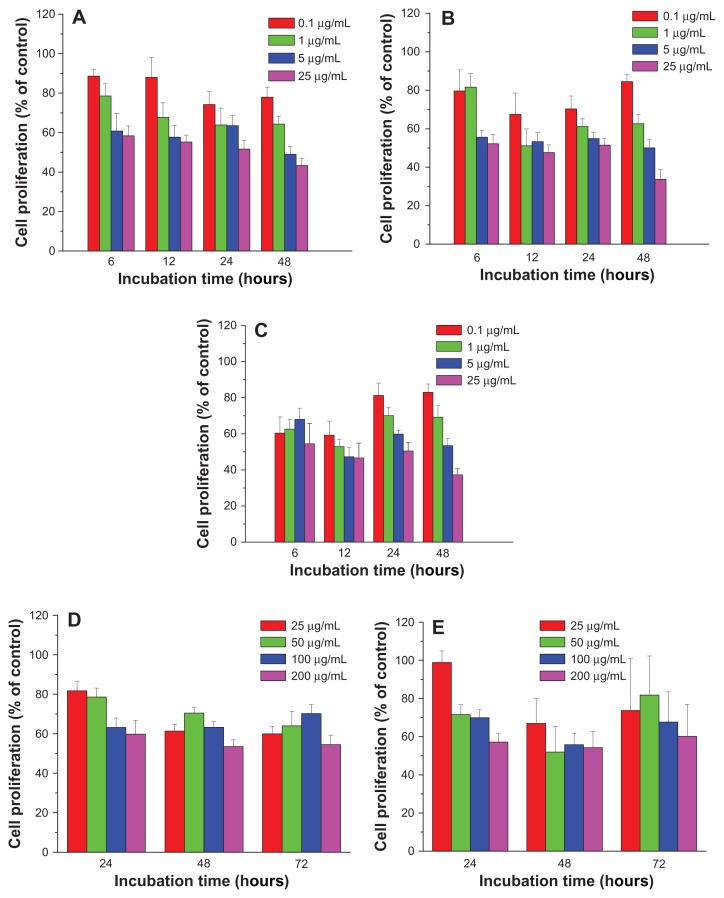
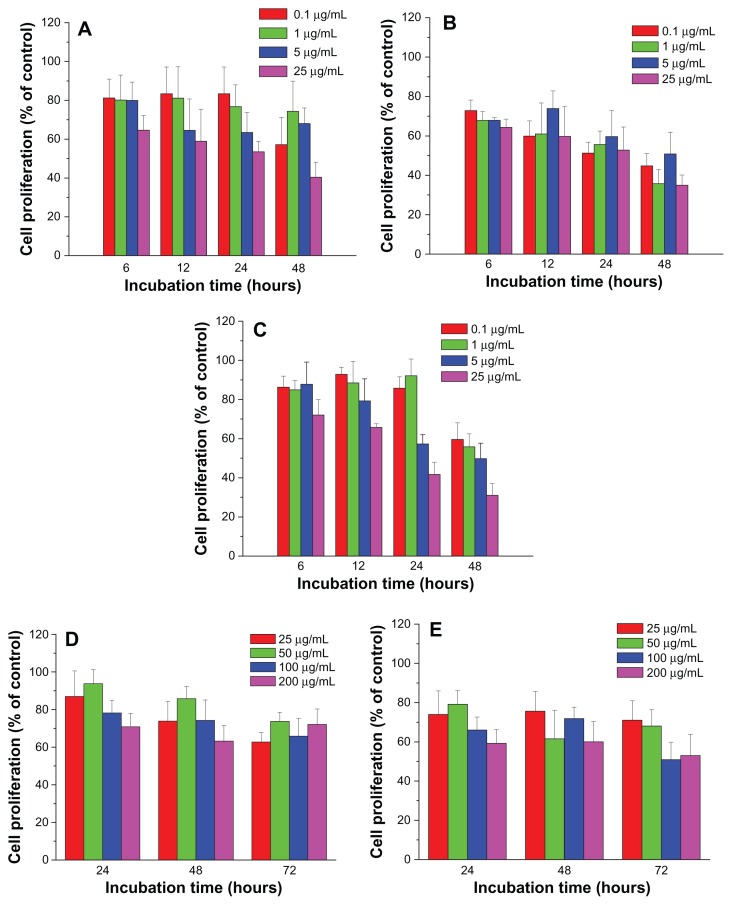
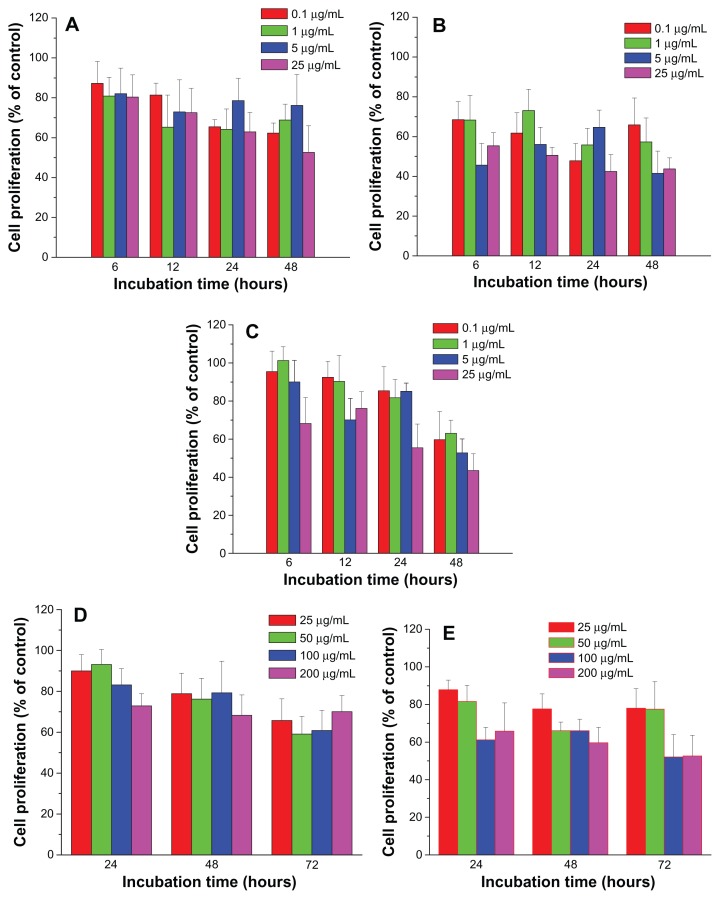
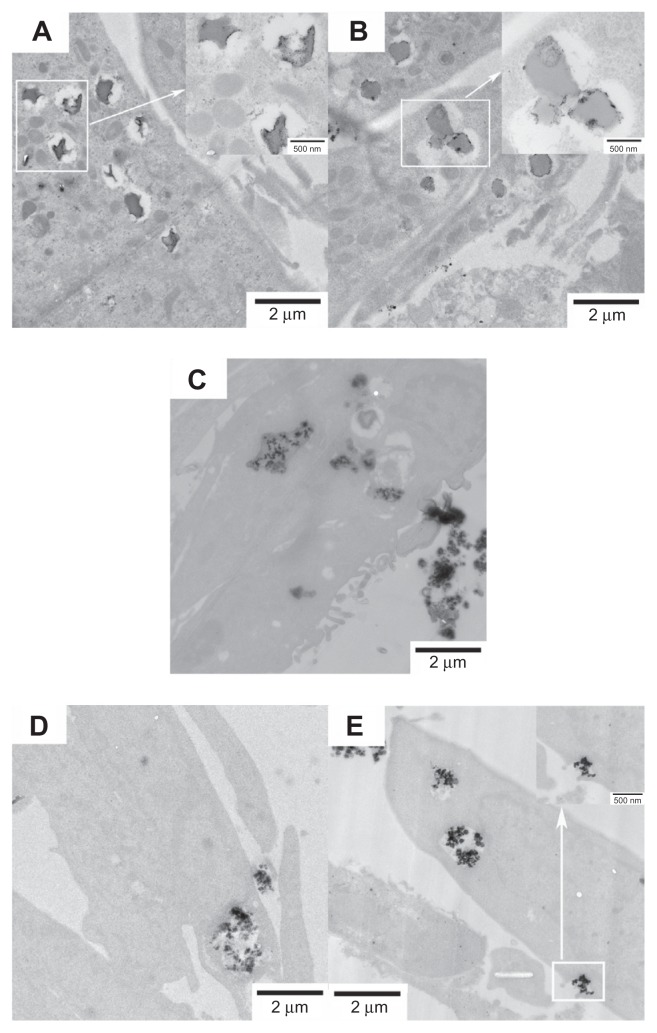
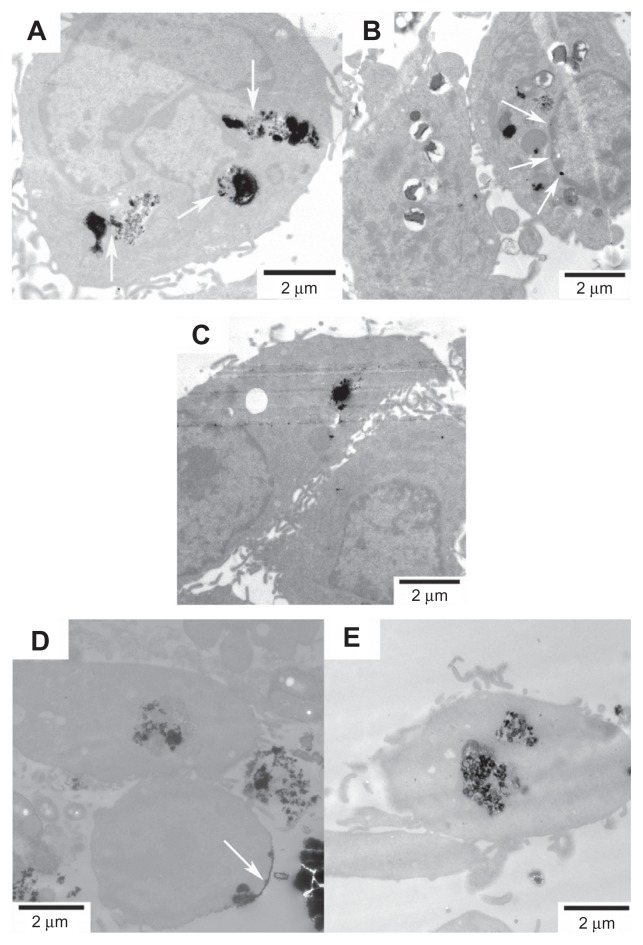
Malignant gliomas are primary brain tumors with high rates of morbidity and mortality; they are the fourth most common cause of cancer death. Novel diagnostic and therapeutic techniques based on nanomaterials provide promising options in the treatment of malignant gliomas. In order to evaluate the potential of FePt nanoparticles (NPs) for malignant glioma therapy, FePt NPs with different surface coatings and components were tunably synthesized using oleic acid/oleylamine (OA/OA) and cysteines (Cys) as the capping agents, respectively. The samples were characterized using X-ray diffraction, transmission electron microscopy (TEM), X-ray photon spectroscopy, Fourier transform infrared spectroscopy, atomic absorption spectrum, and zeta potential. The influence of the surface coatings and components of the FePt NPs on the proliferation of glioma cells was assessed through MTT assay and TEM observation using three typical glioma cell lines (glioma U251 cells, astrocytoma U87 cells, and neuroglioma H4 cells) as in vitro models. The results showed that the proliferation of glioma cells was significantly suppressed by lipophilic FePt-OA/OA NPs in a time- and/or dose-dependent manner, while no or low cytotoxic effects were detected in the case of hydrophilic FePt-Cys NPs. The IC₅₀ value of FePt-OA/OA NPs on the three glioma cell lines was approximately 5-10 μg mL⁻¹ after 24 hours' incubation. Although the cellular uptake of FePt NPs was confirmed regardless of the surface coatings and components of the FePt NPs, the suppression of FePt NPs on glioma cell proliferation was dominantly determined by their surface coatings rather than their components. Therefore, these results demonstrate that, through engineering of the surface coating, FePt NPs can potentially be developed as novel therapeutic agents for malignant gliomas.
恶性脑胶质瘤是一种高发病率和死亡率的原发性脑肿瘤;它是癌症死亡的第四大常见原因。基于纳米材料的新型诊断和治疗技术为恶性脑胶质瘤的治疗提供了有前景的选择。为了评估 FePt 纳米颗粒(NPs)在恶性脑胶质瘤治疗中的潜力,使用油酸/油胺(OA/OA)和半胱氨酸(Cys)分别作为封端剂,可调节合成具有不同表面涂层和组成的 FePt NPs。使用 X 射线衍射、透射电子显微镜(TEM)、X 射线光电子能谱、傅里叶变换红外光谱、原子吸收光谱和 Zeta 电位对样品进行了表征。通过 MTT 测定和使用三种典型的脑胶质瘤细胞系(脑胶质瘤 U251 细胞、星形细胞瘤 U87 细胞和神经胶质瘤 H4 细胞)作为体外模型的 TEM 观察,评估了 FePt NPs 的表面涂层和组成对神经胶质瘤细胞增殖的影响。结果表明,疏水性 FePt-OA/OA NPs 以时间和/或剂量依赖的方式显著抑制神经胶质瘤细胞的增殖,而亲水性 FePt-Cys NPs 则未检测到或低细胞毒性作用。在 24 小时孵育后,FePt-OA/OA NPs 对三种神经胶质瘤细胞系的 IC₅₀ 值约为 5-10μgmL⁻¹。尽管无论 FePt NPs 的表面涂层和组成如何,都确认了 FePt NPs 的细胞摄取,但抑制神经胶质瘤细胞增殖的主要因素是其表面涂层而不是其组成。因此,这些结果表明,通过表面涂层工程,FePt NPs 有可能被开发为恶性脑胶质瘤的新型治疗剂。