I.R.C.C.S. Istituto Ortopedico Galeazzi, Milano, Italia.
PLoS One. 2012;7(7):e42077. doi: 10.1371/journal.pone.0042077. Epub 2012 Jul 27.
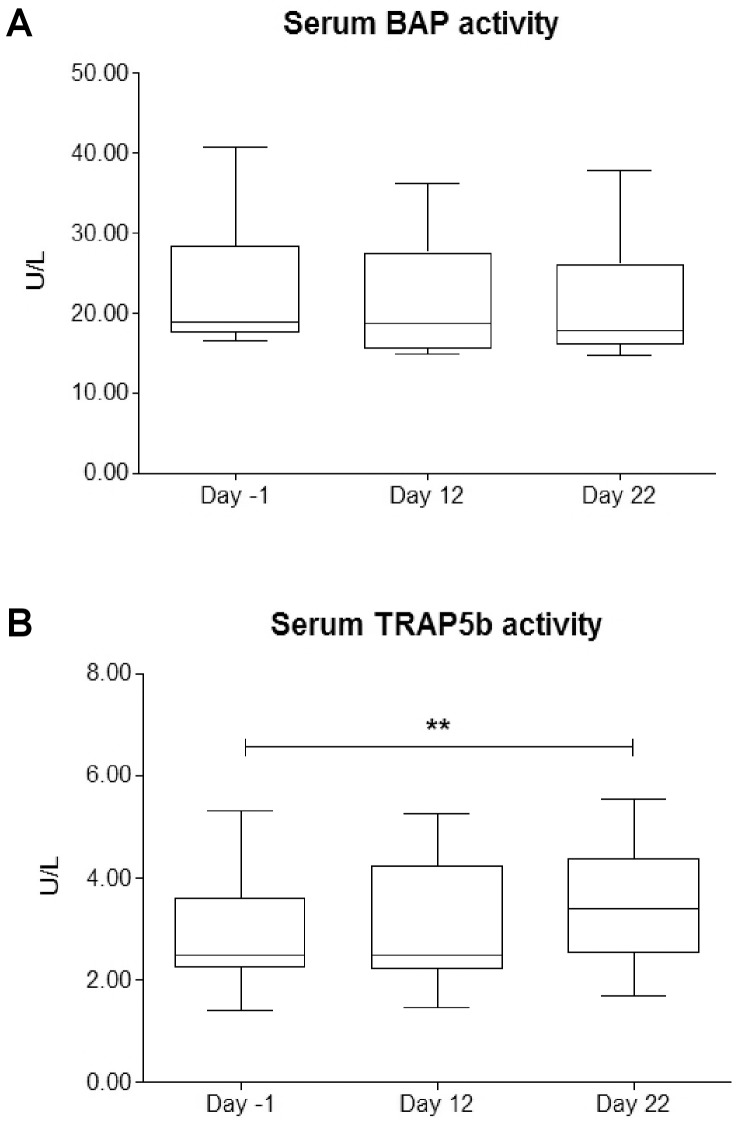
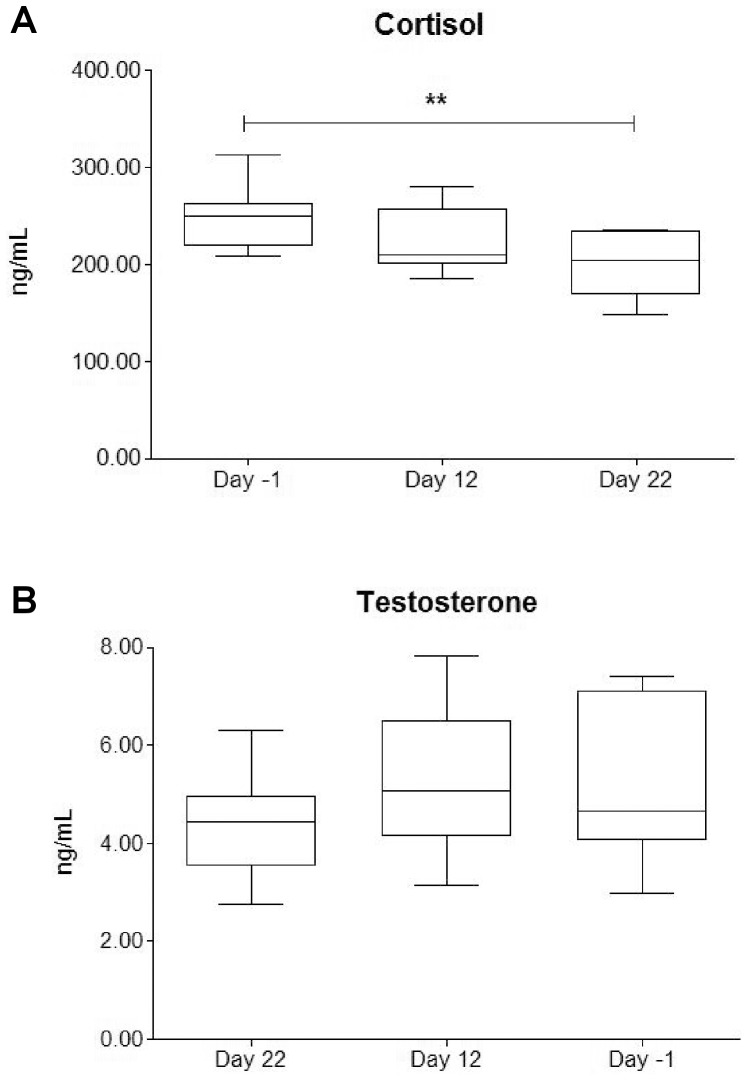
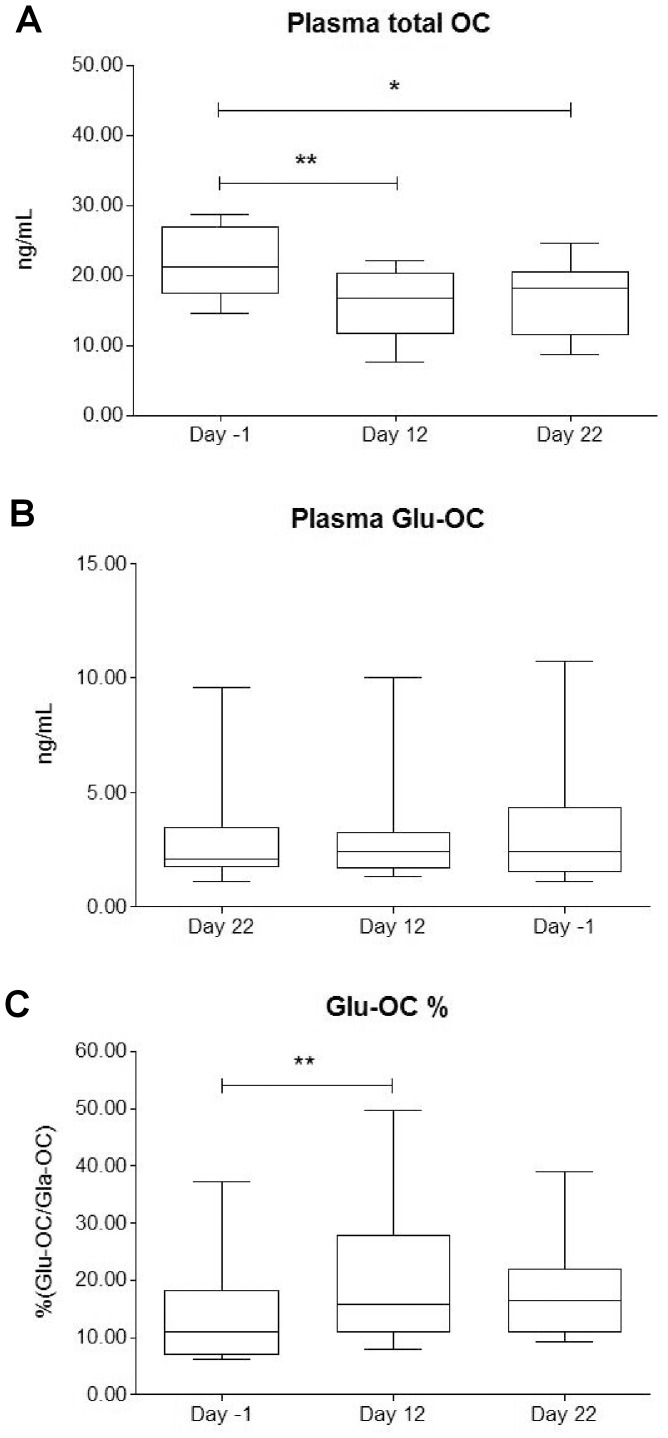
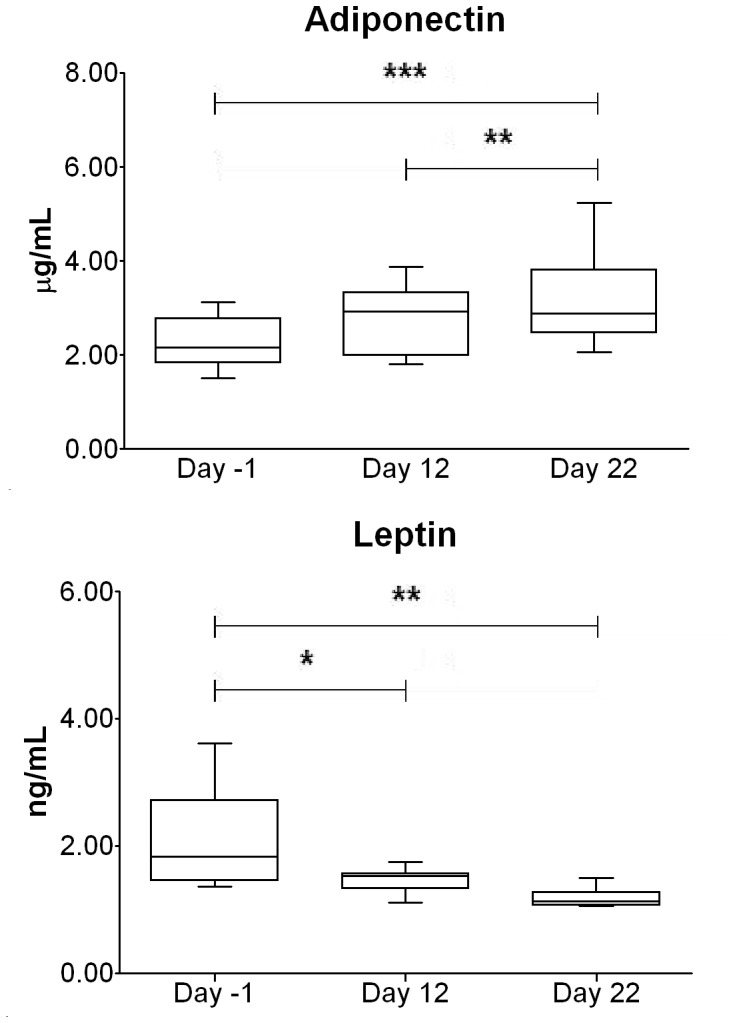
Cycling is a not weight-bearing activity and is known to induce bone resorption. Stage races are really strenuous endurance performances affecting the energy homeostasis. The recently highlighted link, in the co-regulation of bone and energy metabolism, demonstrates a central role for the equilibrium between carboxylated and undercarboxylated forms of osteocalcin. Aim of this study was to understand the acute physiological responses to a cycling stage race in terms of bone turnover and energy metabolism and the possible co-regulative mechanisms underlying their relationship. We studied nine professional cyclists engaged in 2011 Giro d'Italia stage race. Pre-analytical and analytical phases tightly followed academic and anti-doping authority's recommendations. Bone and energy metabolism markers (bone alkaline phosphatase, tartrate-resistant acid phosphatase 5b, total and undercarboxylated osteocalcin, leptin and adiponectin) and related hormones (cortisol and testosterone) were measured, by Sandwich Enzyme Immunoassays, at days -1 (pre-race), 12 and 22 during the race. The power output and the energy expenditure (mean and accumulated) were derived and correlated with the biochemical indexes. During the race, bone metabolism showed that an unbalance in behalf of resorption, which is enhanced, occurred along with a relative increase in the concentration of the undercarboxylated form of osteocalcin that was indirectly related to the enhanced energy expenditure, through adipokines modifications, with leptin decrease (high energy consumption) and adiponectin increase (optimization of energy expenditure). The exertion due to heavy effort induced a decrease of cortisol, while testosterone levels resulted unchanged. In conclusion, during a 3-weeks stage race, bone metabolism is pushed towards resorption. A possible relationship between the bone and the energy metabolisms is suggested by the relative correlations among absolute and relative concentrations trends of undercarboxylated OC, adipokines concentrations, BMI, fat mass (%), power output and the derived energy expenditure.
自行车运动不是负重运动,已知会引起骨质吸收。阶段比赛是非常艰苦的耐力表演,会影响能量平衡。最近强调的联系,在骨和能量代谢的共同调节中,表明了羧化和未羧化骨钙蛋白形式之间的平衡在骨钙素中起着核心作用。本研究的目的是了解自行车阶段比赛对骨转换和能量代谢的急性生理反应,以及它们之间关系的可能共同调节机制。我们研究了 9 名参加 2011 年环意大利自行车赛的职业自行车手。预分析和分析阶段严格遵循学术和反兴奋剂机构的建议。骨和能量代谢标志物(骨碱性磷酸酶、抗酒石酸酸性磷酸酶 5b、总骨钙素和未羧化骨钙素、瘦素和脂联素)和相关激素(皮质醇和睾丸激素)通过夹心酶免疫分析在比赛前 1 天(比赛前)、第 12 天和第 22 天进行测量。功率输出和能量消耗(平均和累积)被推导出来,并与生化指标相关。在比赛期间,骨代谢显示出吸收的不平衡,这种不平衡随着未羧化骨钙素浓度的相对增加而增强,这与通过脂联素修饰间接相关的能量消耗增加有关,通过瘦素减少(高能量消耗)和脂联素增加(能量消耗优化)。由于剧烈运动引起的劳累导致皮质醇水平下降,而睾丸激素水平保持不变。总之,在为期 3 周的阶段比赛中,骨代谢向吸收方向发展。通过未羧化 OC、脂联素浓度、BMI、体脂(%)、功率输出和衍生能量消耗的绝对和相对浓度趋势之间的相对相关性,提出了骨和能量代谢之间的可能关系。