Bangalore N Gangadhar, Varambally Shivarama
Department of Psychiatry, National Institute of Mental Health and Neurosciences, Bangalore, India.
Int J Yoga. 2012 Jul;5(2):85-91. doi: 10.4103/0973-6131.98212.
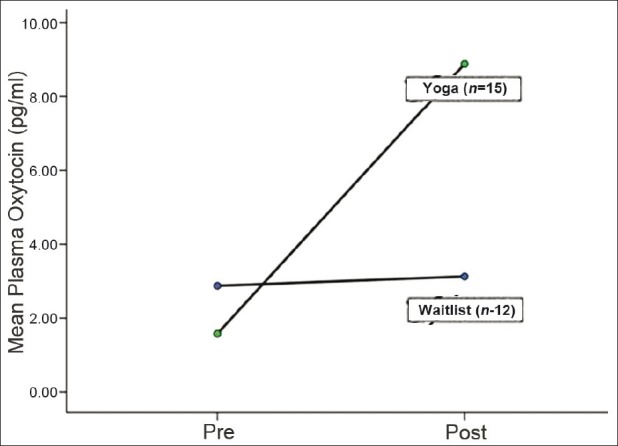
Schizophrenia is one of the most severe mental disorders. Despite significant advances in pharmacotherapy, treatment remains sub-optimal, with many patients having persisting deficits, especially in cognitive and social functioning. Yoga as a therapy has proven to be effective as a sole or additional intervention in psychiatric disorders such as depression and anxiety. Recently, there has been significant interest in the application of yoga therapy in psychosis and schizophrenia. To review a) the evidence for the use of yoga therapy in patients with schizophrenia b) studies which have been done in this area, c) the barriers for reaching yoga to patients, and d) future directions, an English language literature search of PubMed/MEDLINE, Google Scholar, and EBSCO as well as grey literature was done. Research reports have demonstrated the feasibility and efficacy of yoga as an add-on therapy in schizophrenia, particularly in improving negative symptomatology and social cognition. However, the biological underpinnings of this effect remain unclear, although there are some indications that hormones like oxytocin may contribute to the changes in social cognition.
精神分裂症是最严重的精神障碍之一。尽管药物治疗取得了显著进展,但治疗效果仍不理想,许多患者存在持续的缺陷,尤其是在认知和社会功能方面。瑜伽疗法已被证明作为抑郁症和焦虑症等精神疾病的单一或辅助干预措施是有效的。最近,人们对瑜伽疗法在精神病和精神分裂症中的应用产生了浓厚兴趣。为了综述:a) 瑜伽疗法用于精神分裂症患者的证据;b) 该领域已开展的研究;c) 向患者推广瑜伽的障碍;d) 未来方向,我们对PubMed/MEDLINE、谷歌学术和EBSCO进行了英文文献检索,并检索了灰色文献。研究报告表明,瑜伽作为精神分裂症的辅助疗法具有可行性和有效性,特别是在改善阴性症状和社会认知方面。然而,尽管有迹象表明催产素等激素可能有助于社会认知的改变,但这种效应的生物学基础仍不清楚。