Department of Pharmacology, University of Cambridge, Tennis Court Road, Cambridge, United Kingdom.
PLoS One. 2012;7(8):e42404. doi: 10.1371/journal.pone.0042404. Epub 2012 Aug 2.
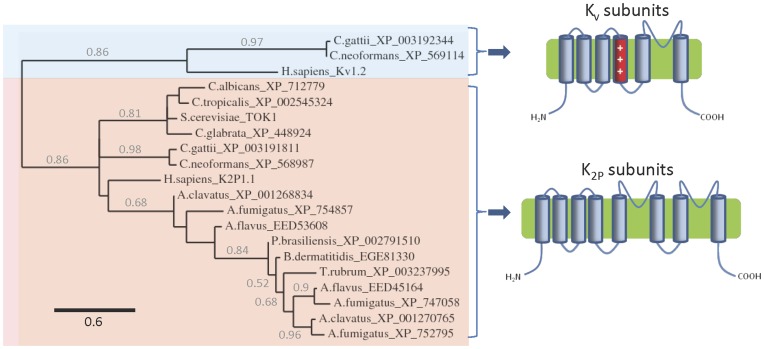
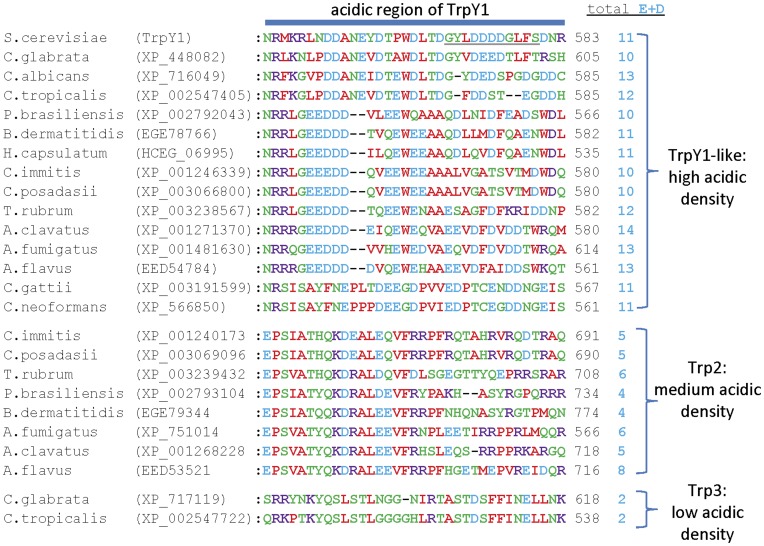
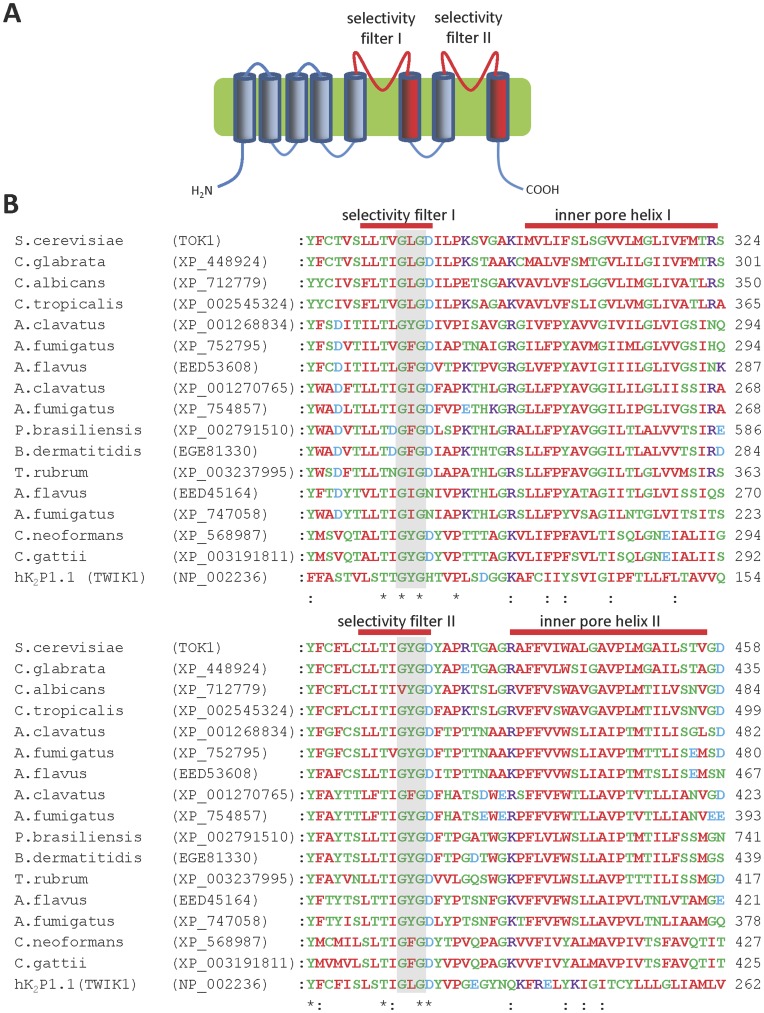
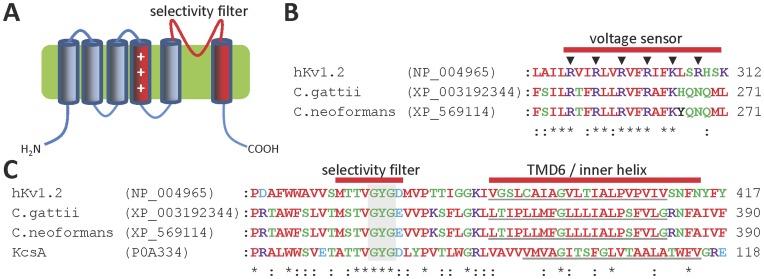
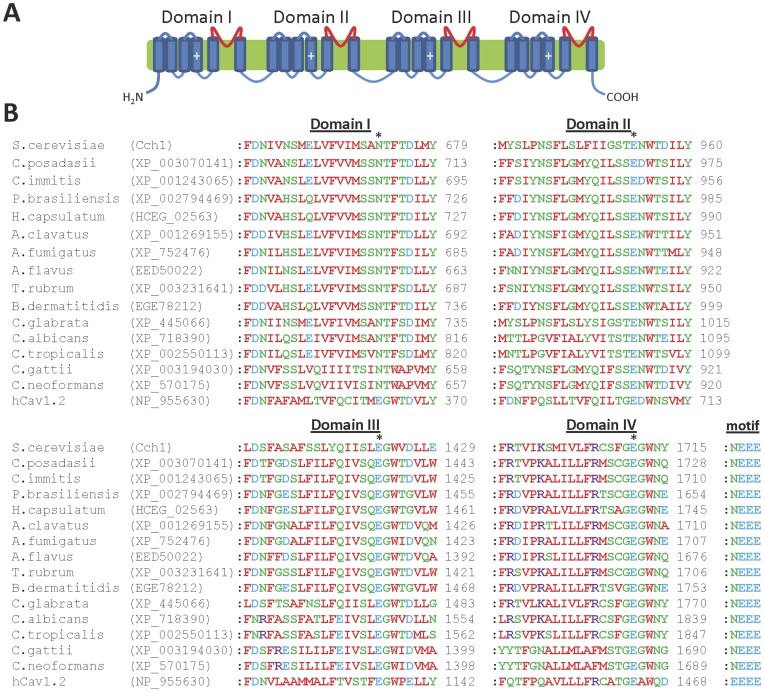
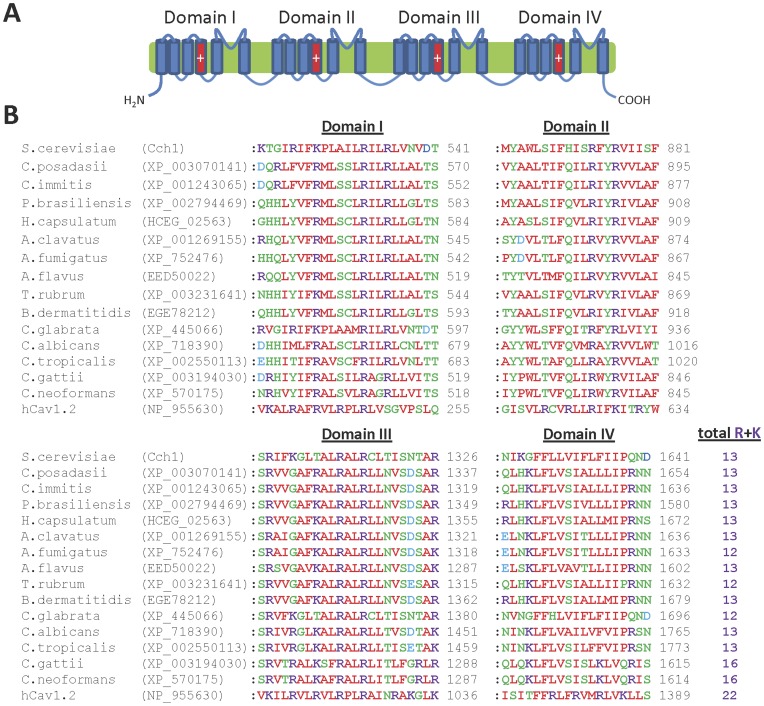
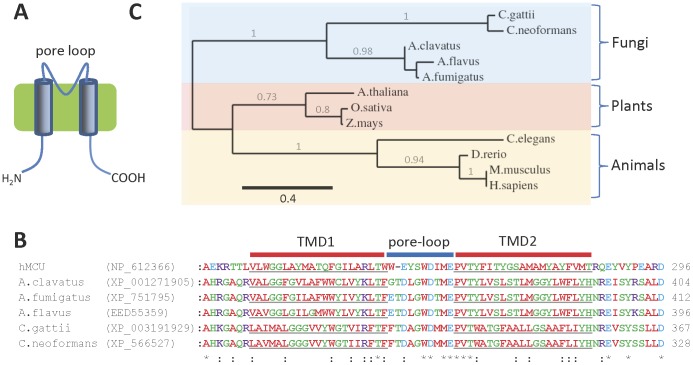
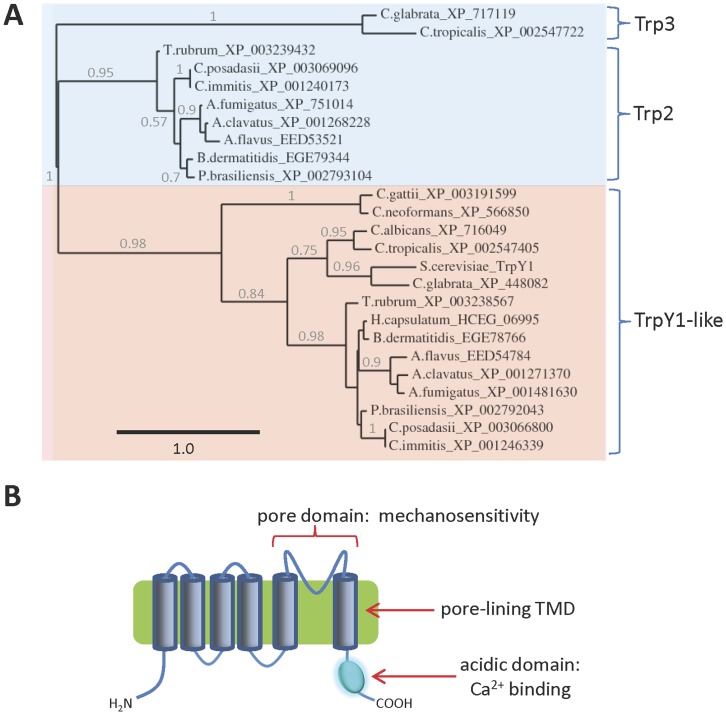
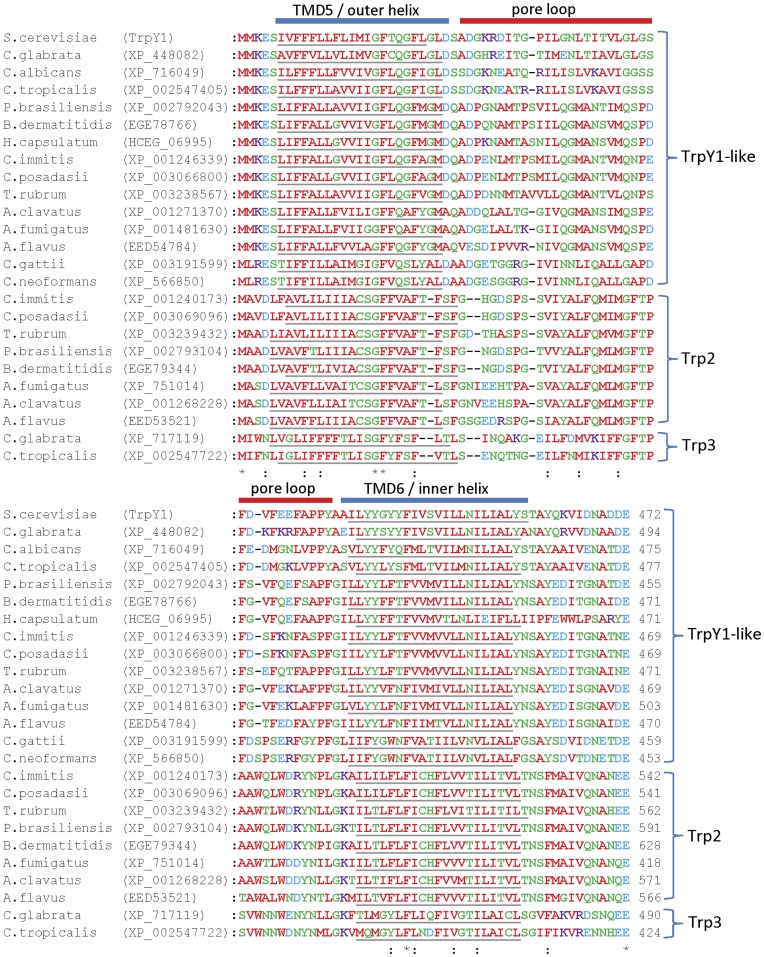
Fungi are major causes of human, animal and plant disease. Human fungal infections can be fatal, but there are limited options for therapy, and resistance to commonly used anti-fungal drugs is widespread. The genomes of many fungi have recently been sequenced, allowing identification of proteins that may become targets for novel therapies. We examined the genomes of human fungal pathogens for genes encoding homologues of cation channels, which are prominent drug targets. Many of the fungal genomes examined contain genes encoding homologues of potassium (K(+)), calcium (Ca(2+)) and transient receptor potential (Trp) channels, but not sodium (Na(+)) channels or ligand-gated channels. Some fungal genomes contain multiple genes encoding homologues of K(+) and Trp channel subunits, and genes encoding novel homologues of voltage-gated K(v) channel subunits are found in Cryptococcus spp. Only a single gene encoding a homologue of a plasma membrane Ca(2+) channel was identified in the genome of each pathogenic fungus examined. These homologues are similar to the Cch1 Ca(2+) channel of Saccharomyces cerevisiae. The genomes of Aspergillus spp. and Cryptococcus spp., but not those of S. cerevisiae or the other pathogenic fungi examined, also encode homologues of the mitochondrial Ca(2+) uniporter (MCU). In contrast to humans, which express many K(+), Ca(2+) and Trp channels, the genomes of pathogenic fungi encode only very small numbers of K(+), Ca(2+) and Trp channel homologues. Furthermore, the sequences of fungal K(+), Ca(2+), Trp and MCU channels differ from those of human channels in regions that suggest differences in regulation and susceptibility to drugs.
真菌是人类、动物和植物疾病的主要原因。人类真菌感染可能是致命的,但治疗选择有限,而且对常用抗真菌药物的耐药性广泛存在。许多真菌的基因组最近已经被测序,这使得可以识别可能成为新型治疗方法的靶标的蛋白质。我们检查了人类真菌病原体的基因组,寻找编码阳离子通道同源物的基因,这些通道是重要的药物靶点。许多被检查的真菌基因组包含编码钾 (K+)、钙 (Ca2+) 和瞬时受体电位 (Trp) 通道同源物的基因,但不包含钠 (Na+) 通道或配体门控通道。一些真菌基因组包含编码 K+和 Trp 通道亚基同源物的多个基因,并且在隐球菌属中发现了编码电压门控 K(v) 通道亚基的新同源物的基因。在被检查的每种致病性真菌的基因组中,只鉴定出一个编码质膜 Ca2+通道同源物的基因。这些同源物类似于酿酒酵母的 Cch1 Ca2+通道。曲霉属和隐球菌属的基因组,但不是酿酒酵母或其他被检查的致病性真菌的基因组,也编码线粒体 Ca2+单向转运蛋白 (MCU) 的同源物。与表达许多 K+、Ca2+和 Trp 通道的人类不同,致病性真菌的基因组仅编码非常少量的 K+、Ca2+和 Trp 通道同源物。此外,真菌 K+、Ca2+、Trp 和 MCU 通道的序列在提示调节和对药物敏感性差异的区域与人类通道的序列不同。