Department of Biomedical and Diagnostic Sciences, College of Veterinary Medicine, The University of Tennessee, Knoxville, TN 37996, USA.
Prog Retin Eye Res. 2013 Mar;33:1-9. doi: 10.1016/j.preteyeres.2012.07.002. Epub 2012 Aug 7.
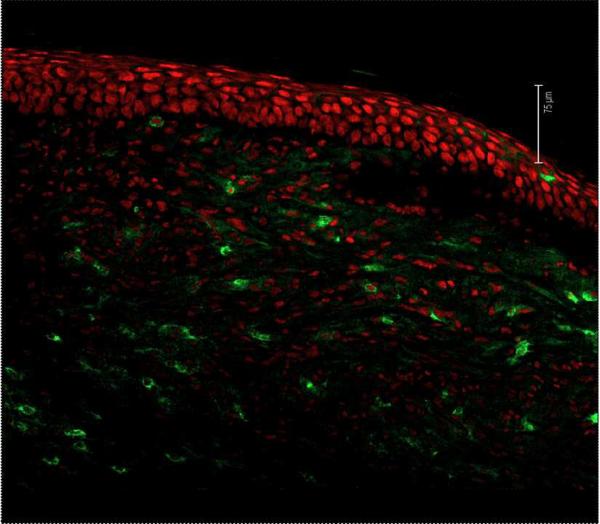
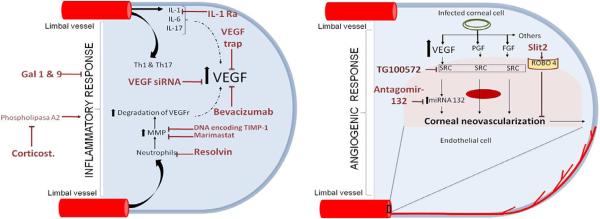
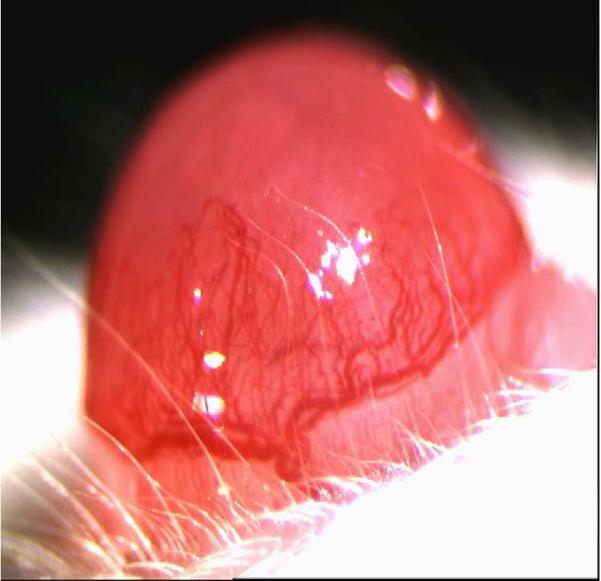
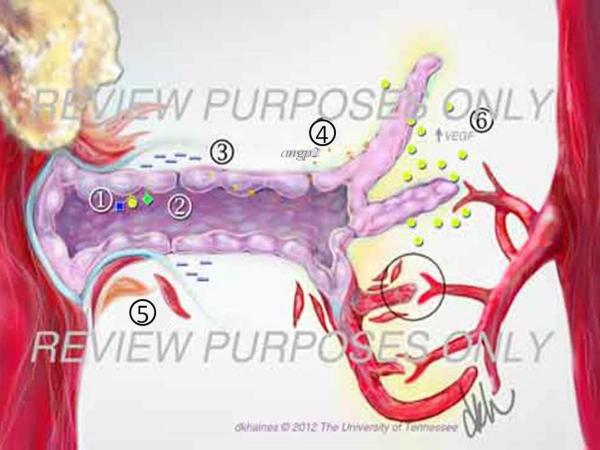
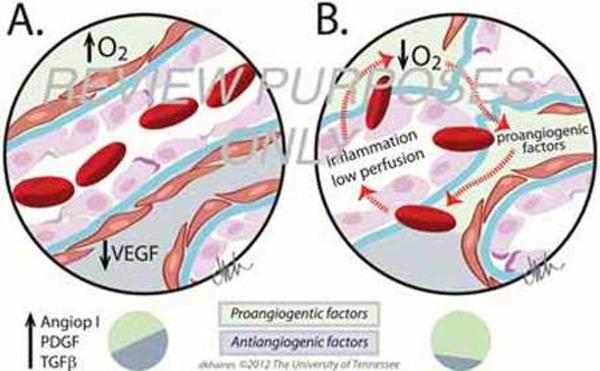
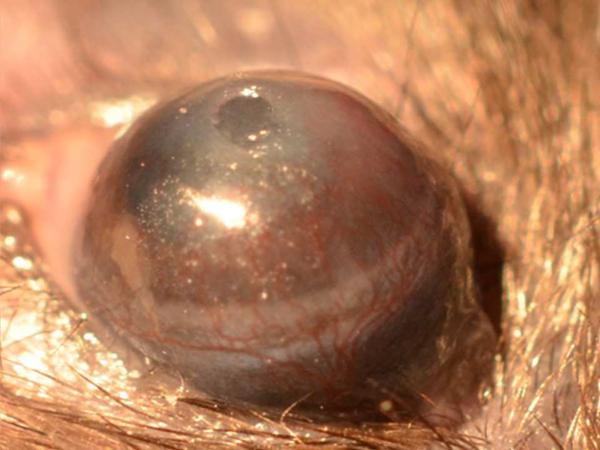
The cornea is a complex sensory organ that must maintain its transparency for optimal vision. Infections such as with herpes simplex virus can result in blinding immunoinflammatory reactions referred to as herpes stromal keratitis (HSK). In this review we discuss the pathogenesis of HSK referring to work mainly done using animal model systems. We briefly discuss the role of multiple cell types and soluble mediators but focus on the critical role of corneal vascularization (CV) in contributing to corneal damage. We describe how VEGF and other angiogenic molecules are induced following infection and discuss the many ways by which CV can be controlled. Speculations are made regarding future approaches that could improve the management of HSK.
角膜是一种复杂的感觉器官,必须保持透明才能获得最佳视力。单纯疱疹病毒等感染可导致免疫炎症反应,即所谓的疱疹性基质角膜炎(HSK)。在本综述中,我们主要参考动物模型系统的研究讨论 HSK 的发病机制。我们简要讨论了多种细胞类型和可溶性介质的作用,但重点关注角膜血管生成(CV)在导致角膜损伤方面的关键作用。我们描述了感染后 VEGF 和其他血管生成分子是如何被诱导的,并讨论了控制 CV 的多种方法。我们对未来可能改善 HSK 治疗的方法进行了推测。