Department of Rehabilitation Medicine, Uijeongbu St. Mary's hospital, The Catholic University of Korea, Uijeongbu, South Korea.
BMC Complement Altern Med. 2012 Aug 15;12:124. doi: 10.1186/1472-6882-12-124.
A common side effect of oxaliplatin is peripheral neurotoxicity. Oxidative stress to dorsal root ganglion (DRG) may be one of important pathogenic mechanisms. Green tea contains four polyphenol catechins, which are known to be potent antioxidants. The present work is aimed to determine whether green tea extracts have neuroproective or palliative effects on neurotoxicity symptoms induced by oxaliplatin.
We conducted behavioral tests including sensory and thermal thresholds, an electrophysiological study, and TUNEL staining to assess neurotoxicity during the experimental period using animal models.
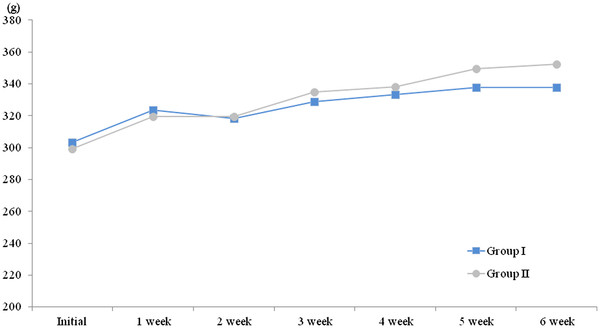
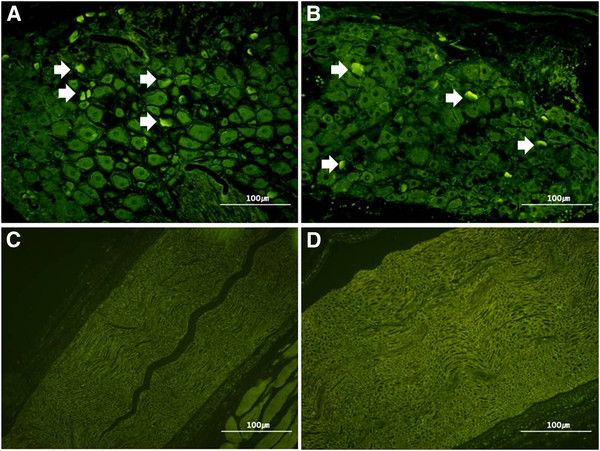
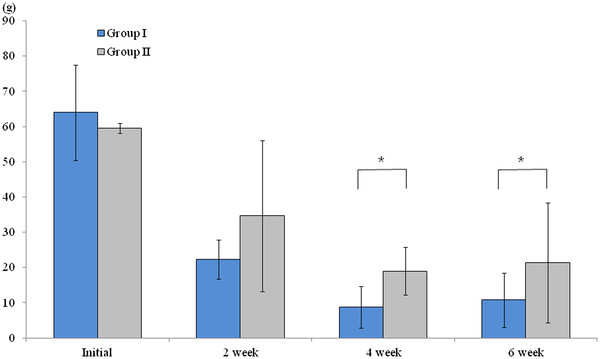
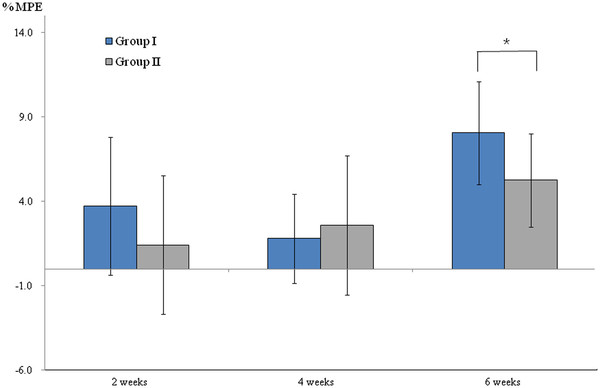
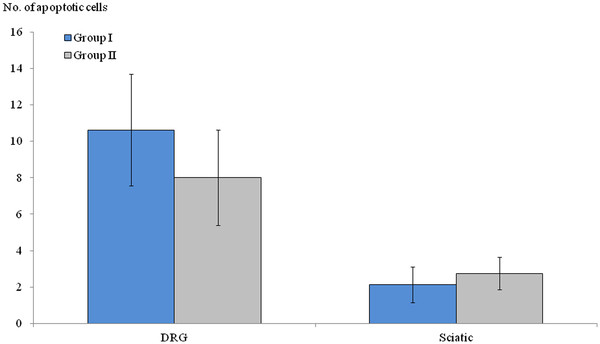
A total of 14 adult rats were randomly allocated into two groups. Oxaliplatin (4 mg/kg) with or without green tea (300 mg/kg orally once daily) was administered intraperitoneally twice per week for 6 weeks. At 4 and 6 weeks after oxaliplatin administration, sensory threshold values were significantly decreased and at 6 weeks after oxaliplatin administration, thermal threshold values were significantly increased in oxaliplatin-treated rats compared with those in rat treated with oxaliplatin and green tea extracts. The electrophysiological assessment, including sensory nerve conduction and H-reflex-related sensory nerve conduction velocity, revealed no significant changes in the two groups. TUNEL staining showed no significant difference in the number of apoptotic-featured cells between the two experimental groups in the DRG or peripheral nerves, but the number of apoptotic-featured cells in DRG was higher than that in sciatic nerves within each group.
Green tea extracts may be a useful adjuvant to alleviate sensory symptoms after oxaliplatin administration, such as allodynia, but did not prevent morphometric or electrophysiological alterations induced by oxaliplatin.
奥沙利铂的常见副作用是周围神经毒性。氧化应激对背根神经节(DRG)可能是重要的发病机制之一。绿茶含有四种多酚儿茶素,已知其具有很强的抗氧化作用。本工作旨在确定绿茶提取物是否对奥沙利铂引起的神经毒性症状具有神经保护或缓解作用。
我们使用动物模型进行行为测试,包括感觉和热阈值、电生理学研究和 TUNEL 染色,以在实验期间评估神经毒性。
共 14 只成年大鼠随机分为两组。奥沙利铂(4mg/kg)加或不加绿茶(300mg/kg 口服,每日一次)每周腹腔内给药两次,共 6 周。与奥沙利铂治疗的大鼠相比,奥沙利铂和绿茶提取物治疗的大鼠在奥沙利铂给药后 4 周和 6 周时感觉阈值明显降低,在奥沙利铂给药后 6 周时热阈值明显升高。电生理评估,包括感觉神经传导和 H 反射相关感觉神经传导速度,两组之间没有发现明显变化。TUNEL 染色显示两组 DRG 或周围神经中凋亡特征细胞的数量无显著差异,但每个组中的 DRG 中凋亡特征细胞的数量高于坐骨神经中的数量。
绿茶提取物可能是缓解奥沙利铂给药后感觉症状(如痛觉过敏)的有用辅助剂,但不能预防奥沙利铂引起的形态计量或电生理学改变。