National Heart and Lung Institute, Imperial College, ICTEM, Hammersmith Campus, Du Cane Rd., London, UK.
J Cardiovasc Transl Res. 2012 Oct;5(5):593-604. doi: 10.1007/s12265-012-9396-1. Epub 2012 Aug 16.
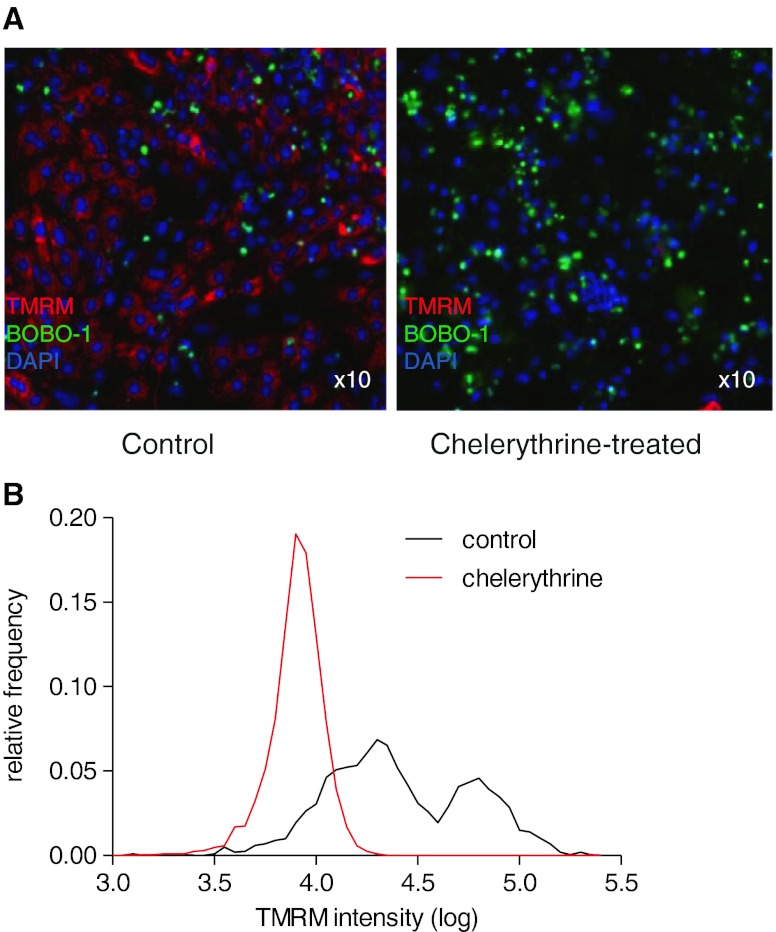
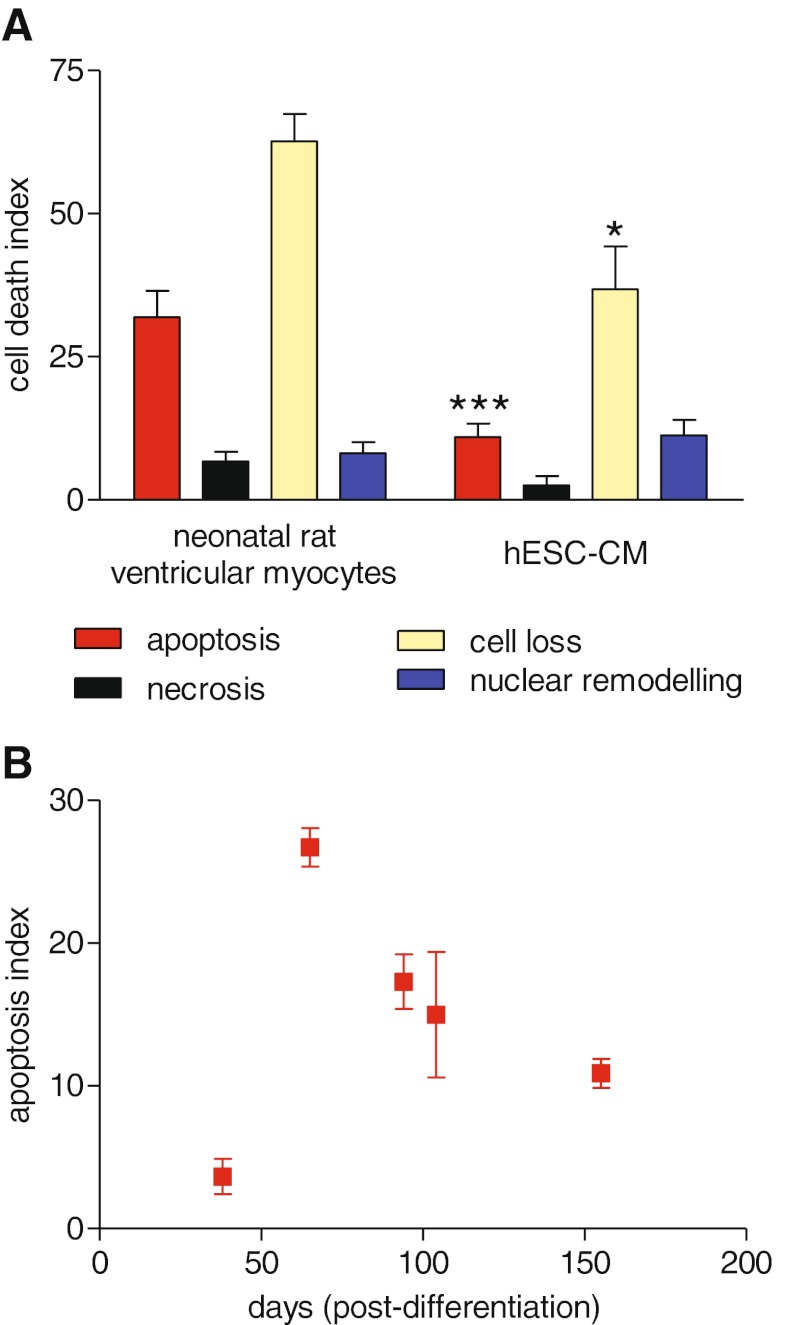
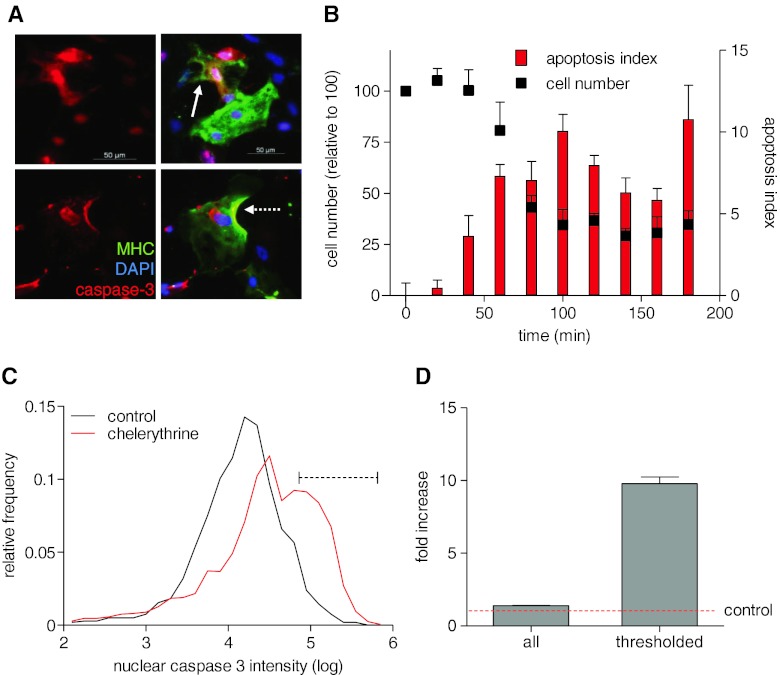
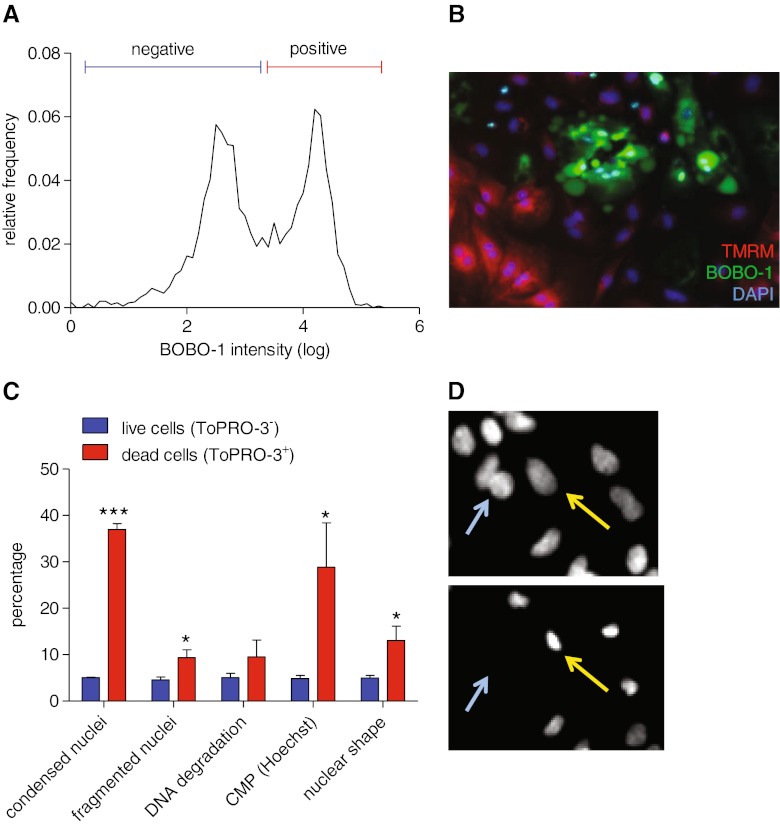
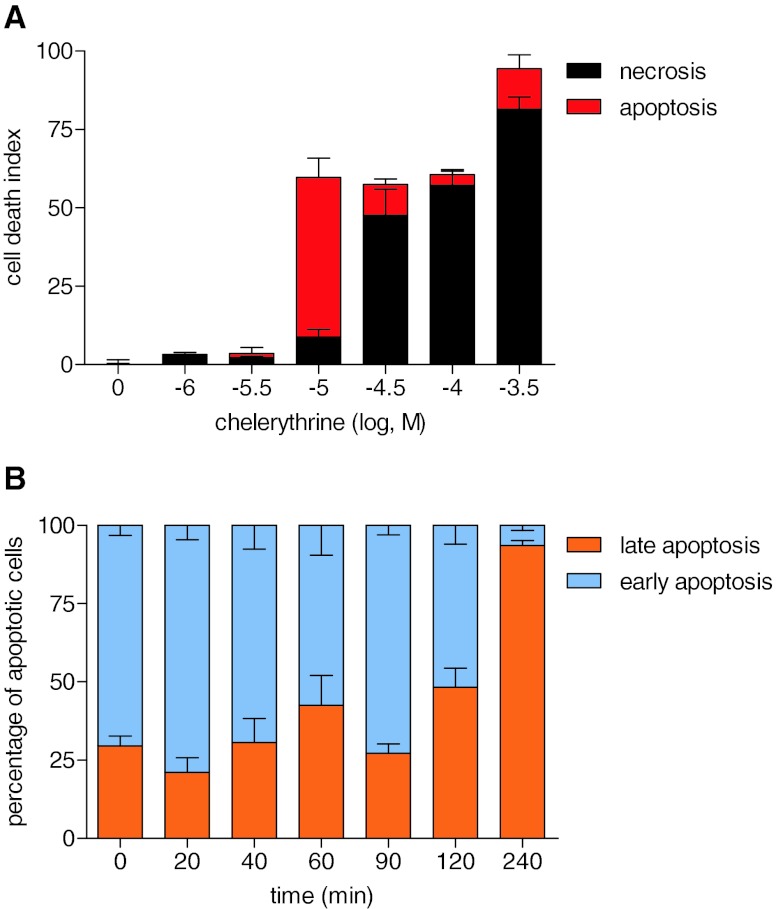
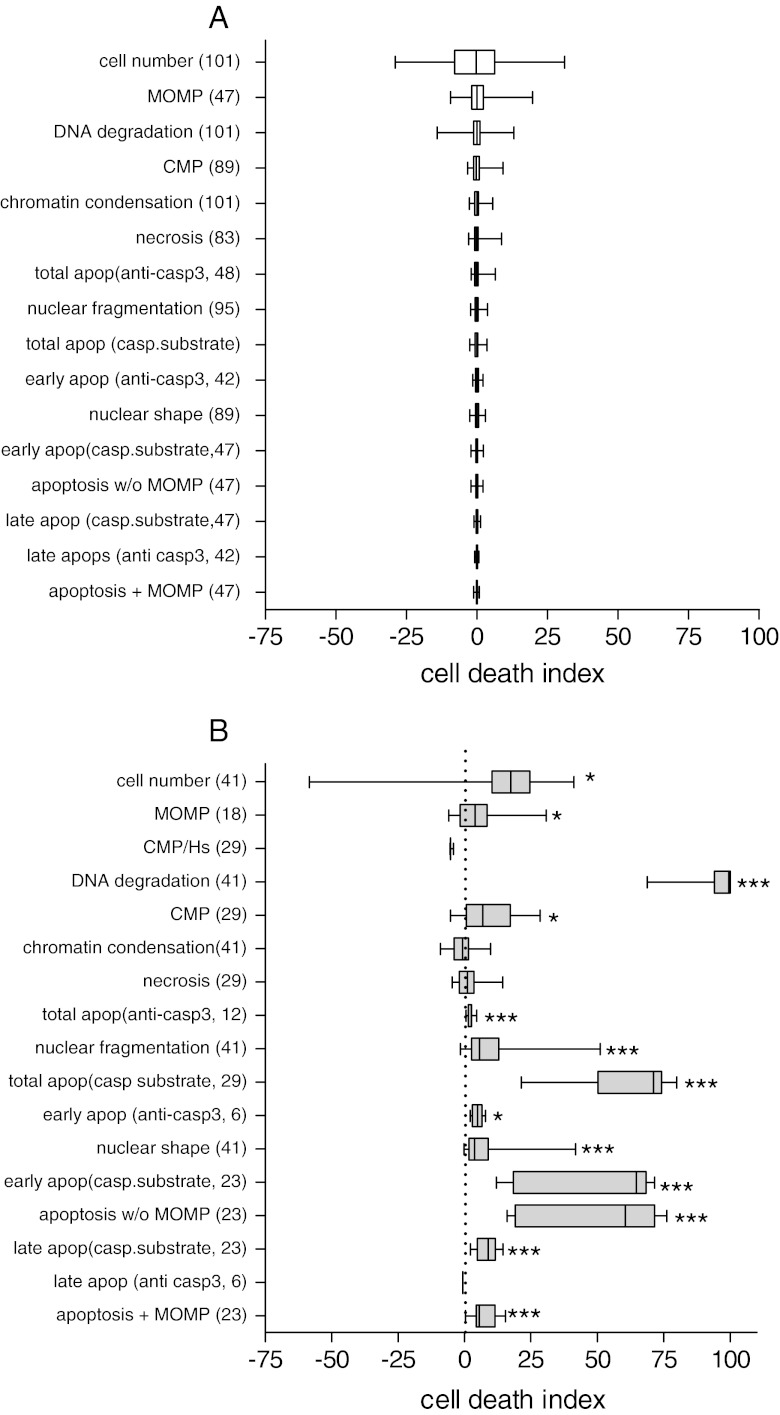
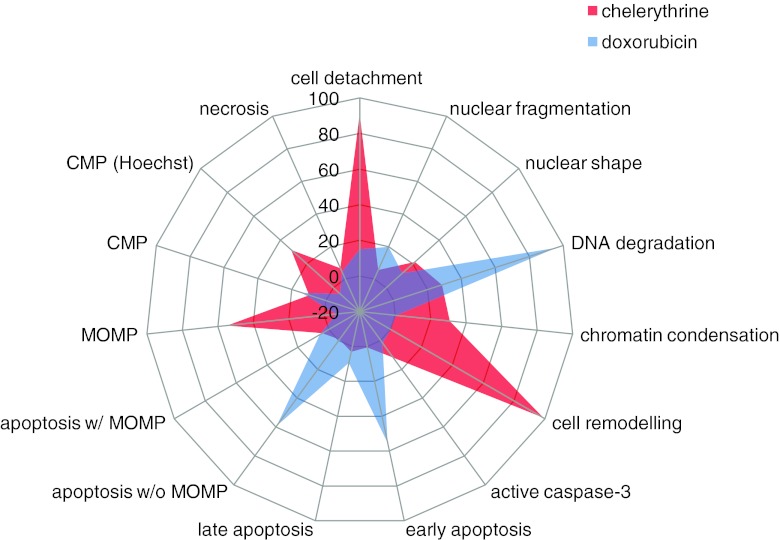
Human pluripotent stem cell-derived cardiomyocytes (hPSC-CM) are being investigated as a new source of cardiac cells for drug safety assessment. We developed a novel scalable high content microscopy-based method for the detection of cell death in hPSC-CM that can serve for future predictive in vitro cardio-toxicological screens. Using rat neonatal ventricular cardiomyocytes (RVNC) or hPSC-CM, assays for nuclear remodelling, mitochondrial status, apoptosis and necrosis were designed using a combination of fluorescent dyes and antibodies on an automated microscopy platform. This allowed the observation of a chelerythrine-induced concentration-dependent apoptosis to necrosis switch and time-dependent progression of early apoptotic cells towards a necrotic-like phenotype. Susceptibility of hPSC-CM to chelerythrine-stimulated apoptosis varied with time after differentiation, but at most time points, hPSC-CM were more resistant than RVNC. This simple and scalable humanized high-content assay generates accurate cardiotoxicity profiles that can serve as a base for further assessment of cardioprotective strategies and drug safety.
人多能干细胞衍生的心肌细胞(hPSC-CM)正在被研究作为一种新的心脏细胞来源,用于药物安全性评估。我们开发了一种新型的可扩展的基于高通量显微镜的方法,用于检测 hPSC-CM 中的细胞死亡,可用于未来的预测性体外心脏毒性筛选。使用大鼠新生心室心肌细胞(RVNC)或 hPSC-CM,通过在自动化显微镜平台上使用荧光染料和抗体的组合,设计了用于核重塑、线粒体状态、细胞凋亡和坏死的检测。这使得可以观察到石蒜碱诱导的浓度依赖性细胞凋亡向坏死的转变,以及早期凋亡细胞向坏死样表型的时间依赖性进展。hPSC-CM 对石蒜碱刺激的细胞凋亡的敏感性随分化后的时间而变化,但在大多数时间点,hPSC-CM 比 RVNC 更具抗性。这种简单且可扩展的人源化高通量测定法可生成准确的心脏毒性特征,可作为进一步评估心脏保护策略和药物安全性的基础。