Department of Basic Medical Sciences, Weldon School of Biomedical Engineering, Purdue University, West Lafayette, IN 47907-1246, USA.
Biomed Eng Online. 2012 Aug 22;11:56. doi: 10.1186/1475-925X-11-56.
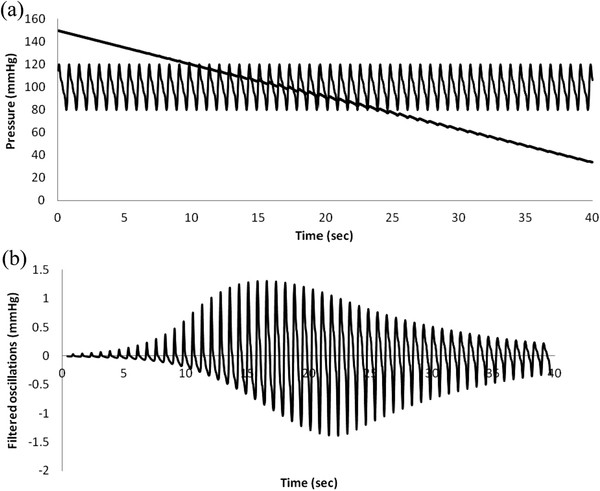
The oscillometric method of measuring blood pressure with an automated cuff yields valid estimates of mean pressure but questionable estimates of systolic and diastolic pressures. Existing algorithms are sensitive to differences in pulse pressure and artery stiffness. Some are closely guarded trade secrets. Accurate extraction of systolic and diastolic pressures from the envelope of cuff pressure oscillations remains an open problem in biomedical engineering.
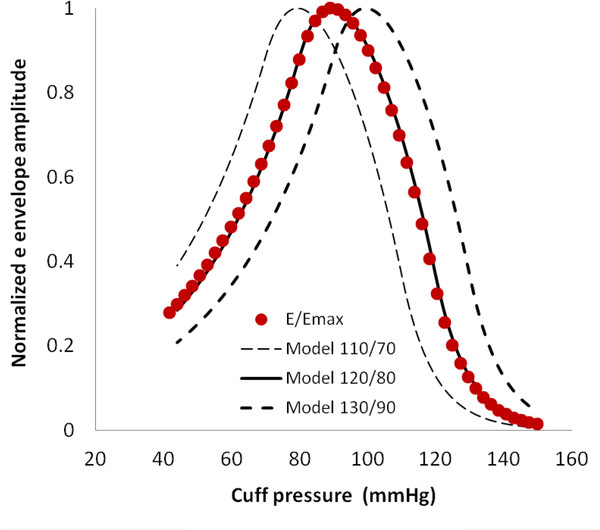
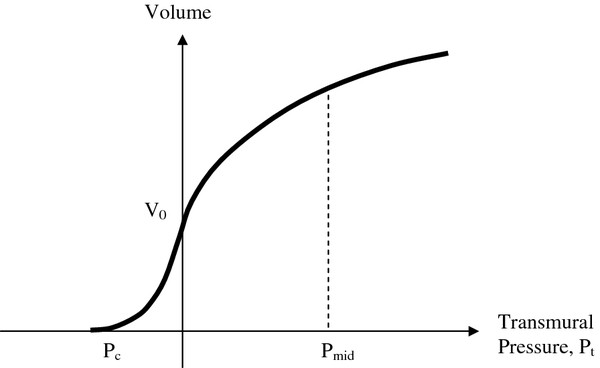
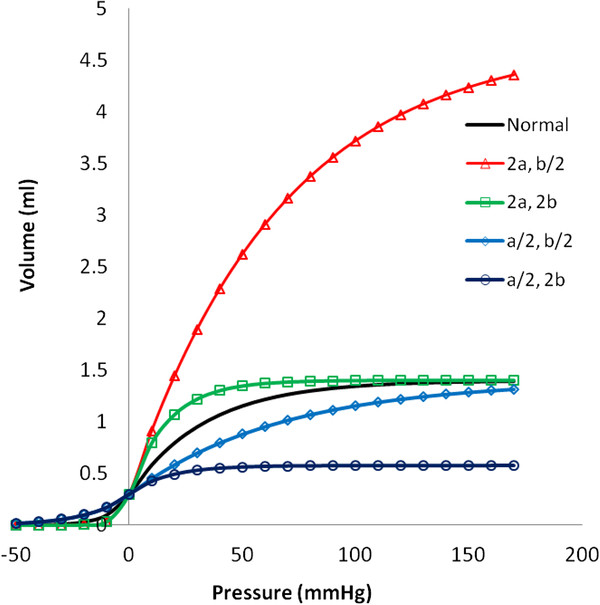
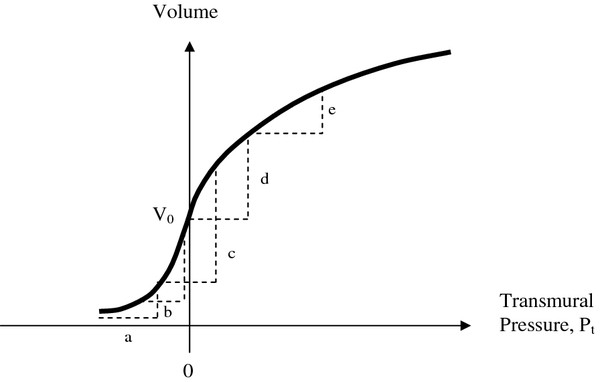
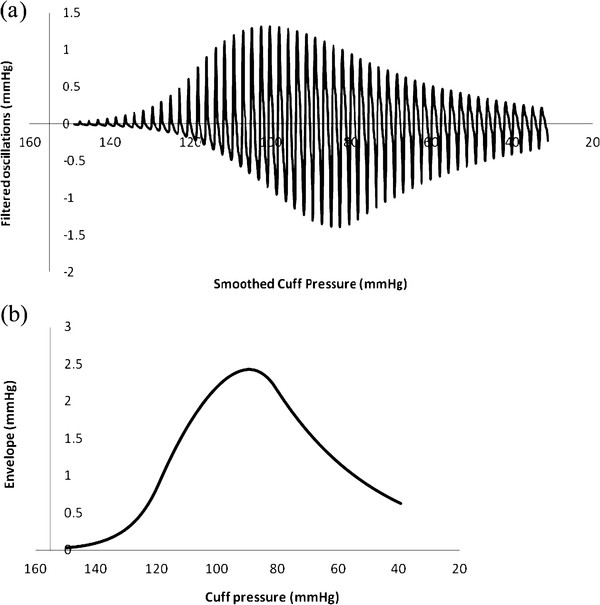
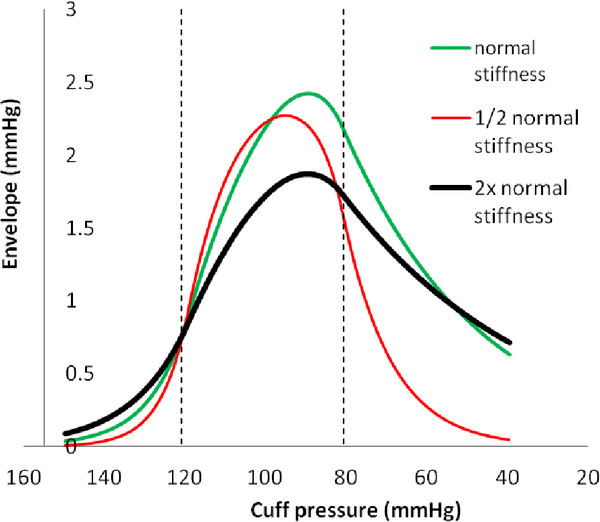
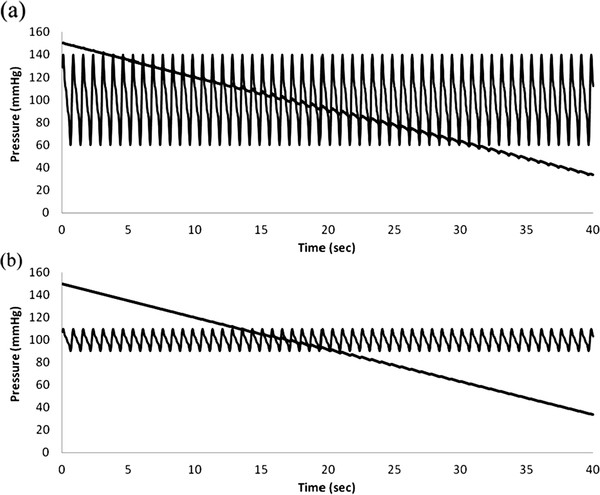
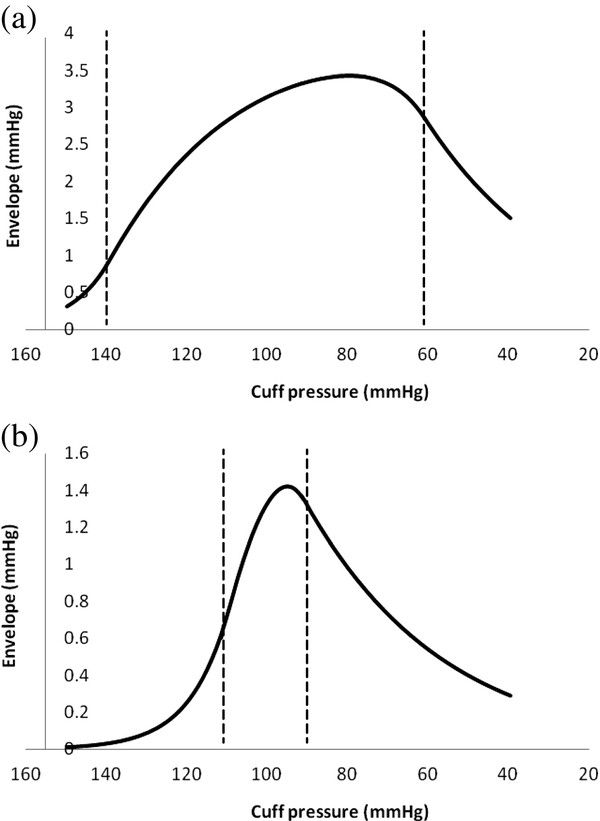
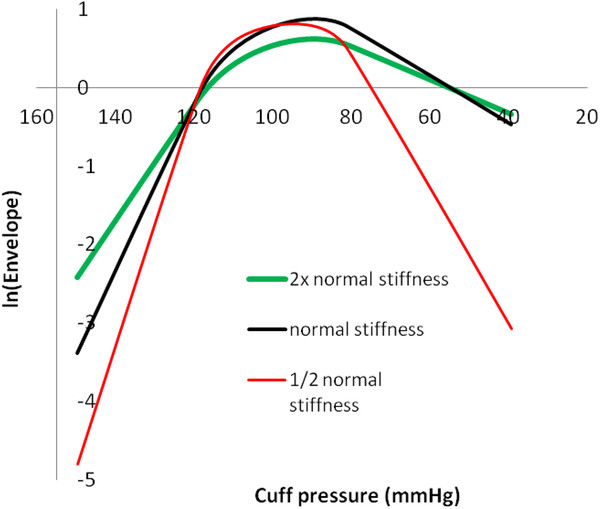
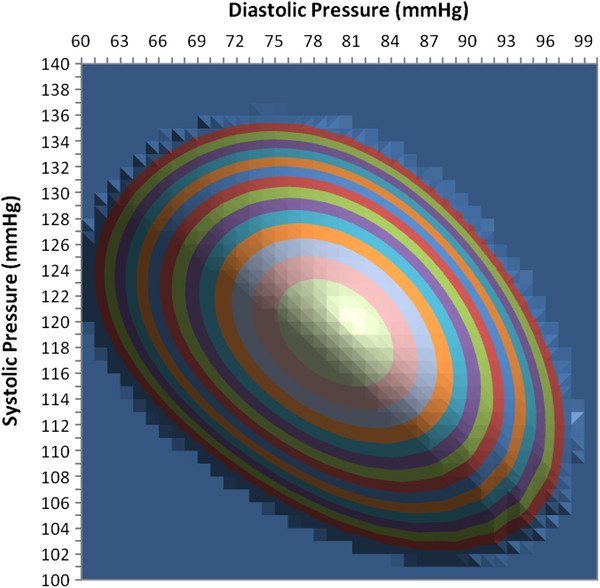
A new analysis of relevant anatomy, physiology and physics reveals the mechanisms underlying the production of cuff pressure oscillations as well as a way to extract systolic and diastolic pressures from the envelope of oscillations in any individual subject. Stiffness characteristics of the compressed artery segment can be extracted from the envelope shape to create an individualized mathematical model. The model is tested with a matrix of possible systolic and diastolic pressure values, and the minimum least squares difference between observed and predicted envelope functions indicates the best fit choices of systolic and diastolic pressure within the test matrix.
The model reproduces realistic cuff pressure oscillations. The regression procedure extracts systolic and diastolic pressures accurately in the face of varying pulse pressure and arterial stiffness. The root mean squared error in extracted systolic and diastolic pressures over a range of challenging test scenarios is 0.3 mmHg.
A new algorithm based on physics and physiology allows accurate extraction of systolic and diastolic pressures from cuff pressure oscillations in a way that can be validated, criticized, and updated in the public domain.
使用自动袖带进行血压测量的示波法可以对平均压进行有效的估计,但对收缩压和舒张压的估计则值得怀疑。现有的算法对脉压和动脉僵硬度的差异很敏感。有些算法是严格保密的商业秘密。从袖带压力波动的包络中准确提取收缩压和舒张压仍然是生物医学工程中的一个开放性问题。
对相关解剖学、生理学和物理学的新分析揭示了袖带压力波动产生的机制,以及从任何个体受试者的波动包络中提取收缩压和舒张压的方法。压缩动脉段的僵硬特性可以从包络形状中提取出来,以创建一个个体化的数学模型。该模型通过一系列可能的收缩压和舒张压值进行测试,观察到的和预测的包络函数之间的最小二乘差异最小表明,在测试矩阵中收缩压和舒张压的最佳拟合选择。
该模型再现了逼真的袖带压力波动。在脉压和动脉僵硬度变化的情况下,回归过程可以准确地提取收缩压和舒张压。在一系列具有挑战性的测试场景中,提取的收缩压和舒张压的均方根误差为 0.3mmHg。
一种基于物理学和生理学的新算法允许以可以验证、批评和更新的公共领域方式从袖带压力波动中准确提取收缩压和舒张压。