The Jefferson Stem Cell Biology and Regenerative Medicine Center, Kimmel Cancer Center, Thomas Jefferson University, Philadelphia, PA, USA.
Cell Cycle. 2012 Sep 15;11(18):3403-14. doi: 10.4161/cc.21701. Epub 2012 Aug 23.
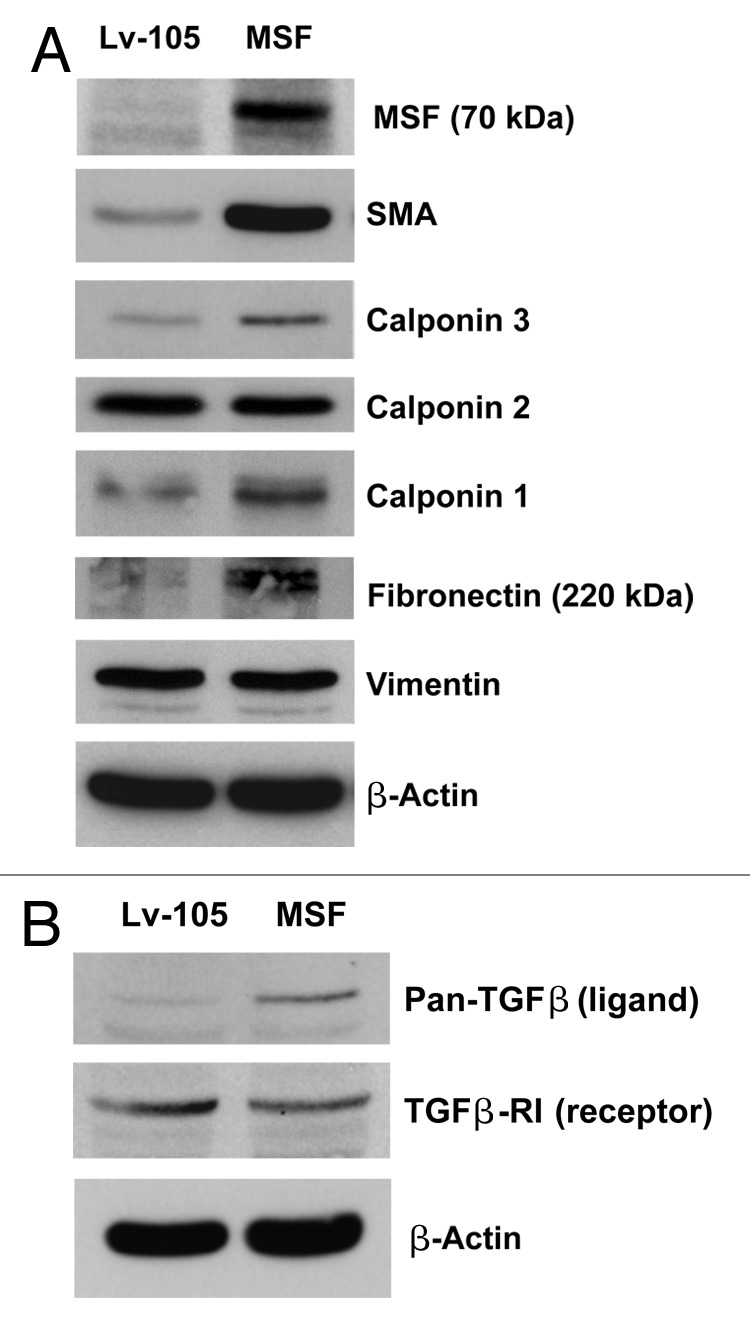
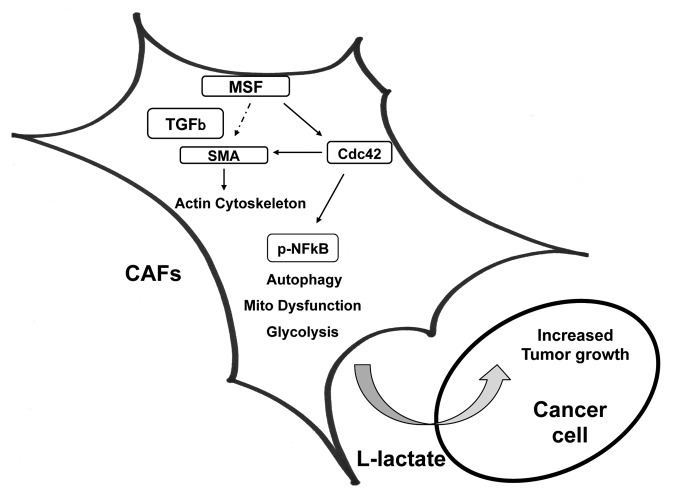
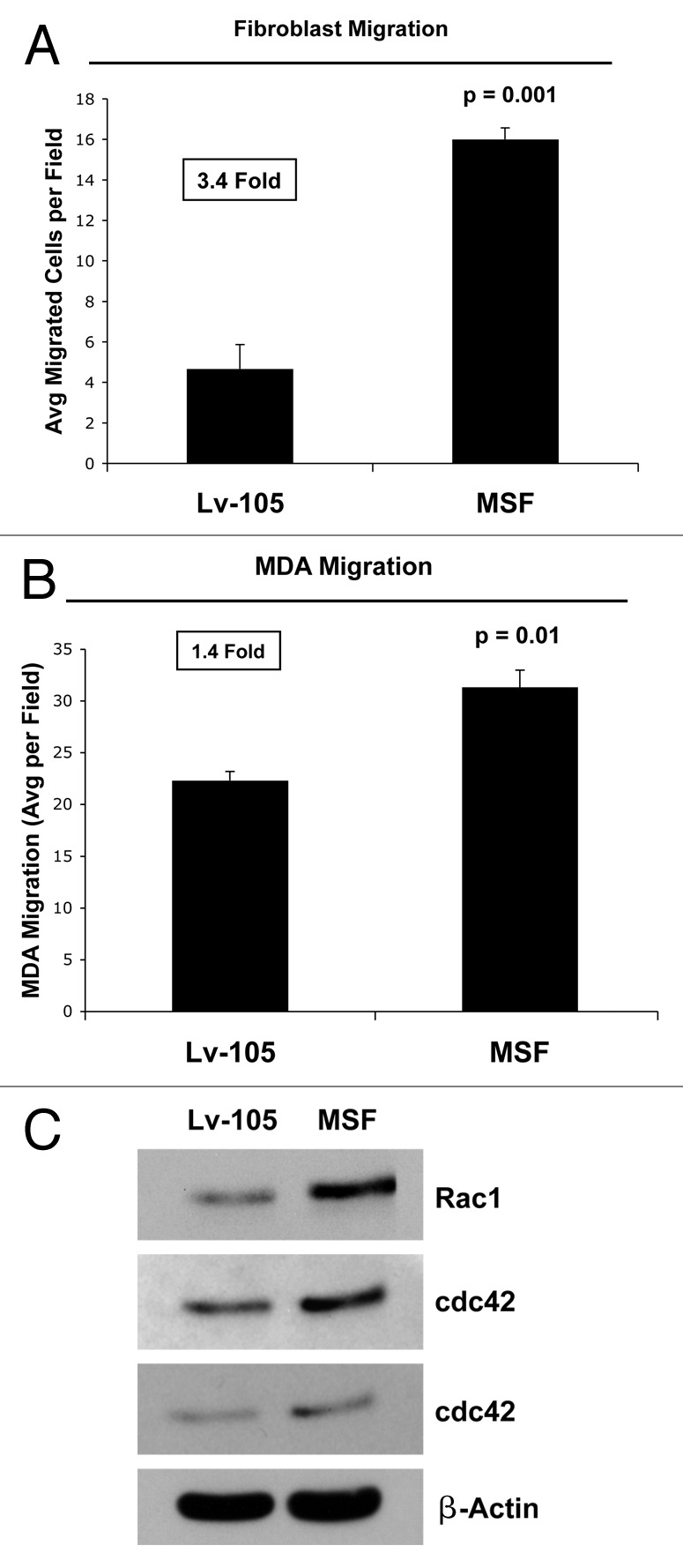
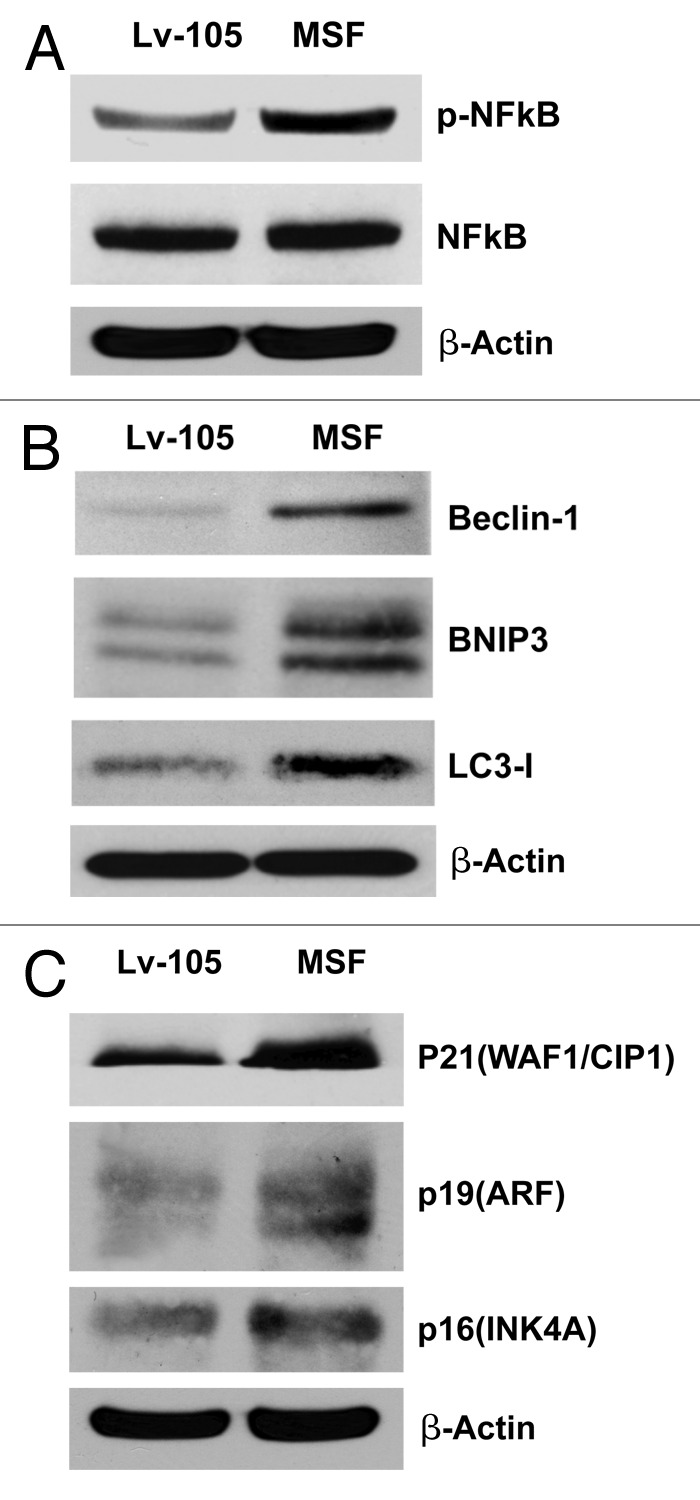
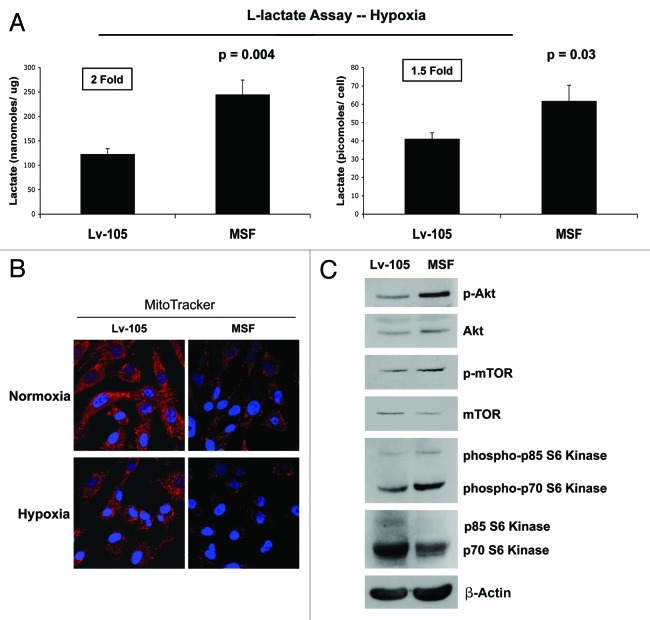
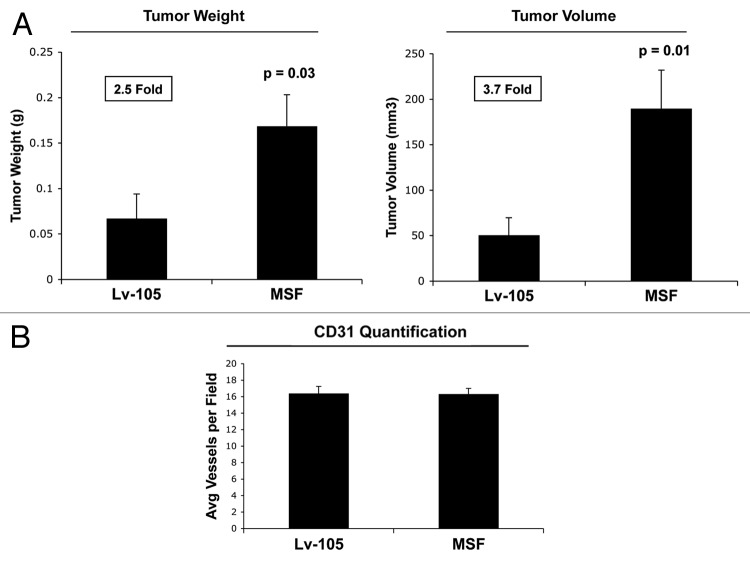
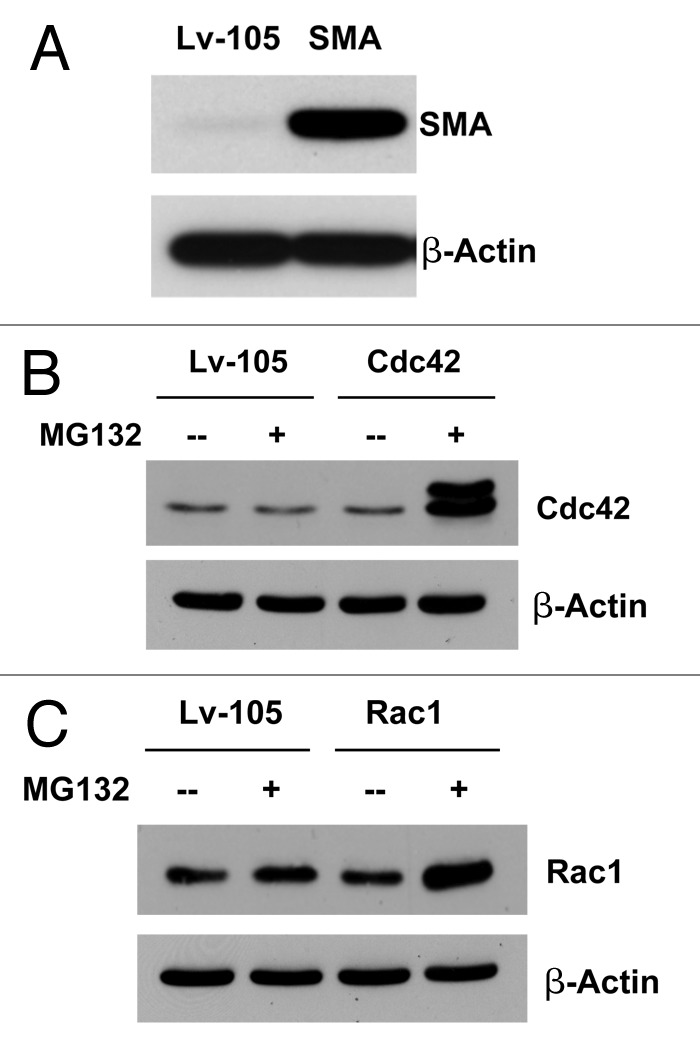
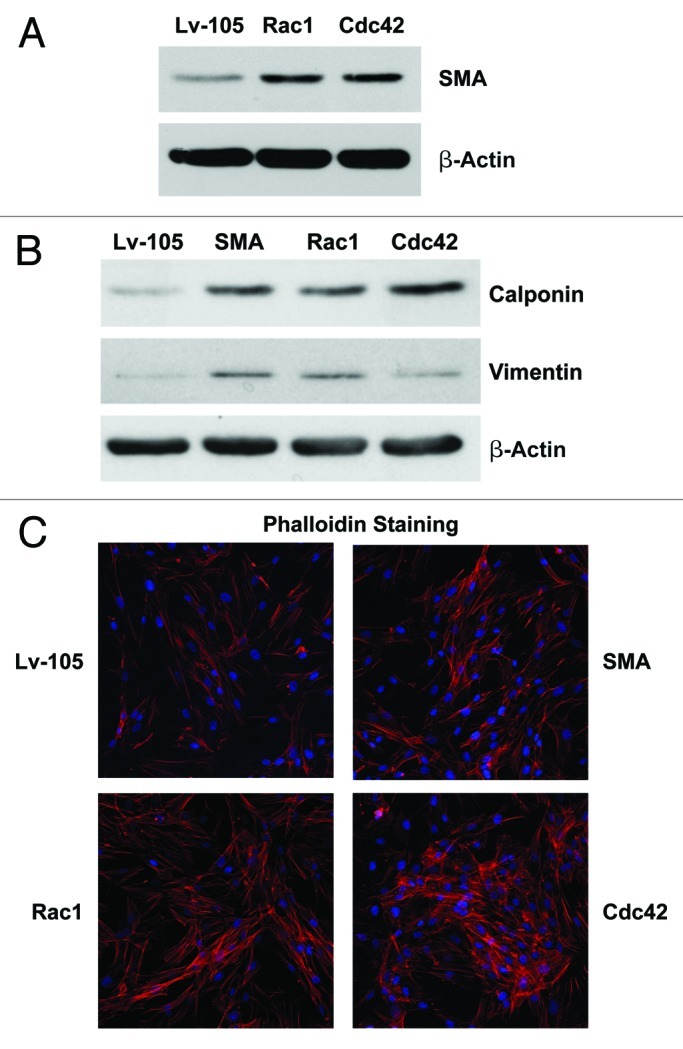
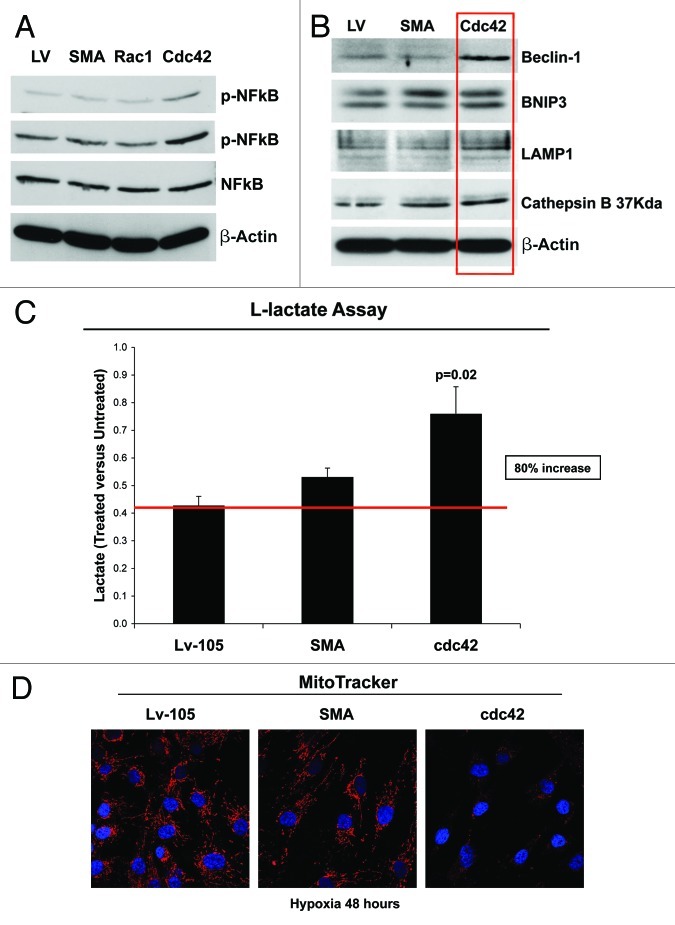
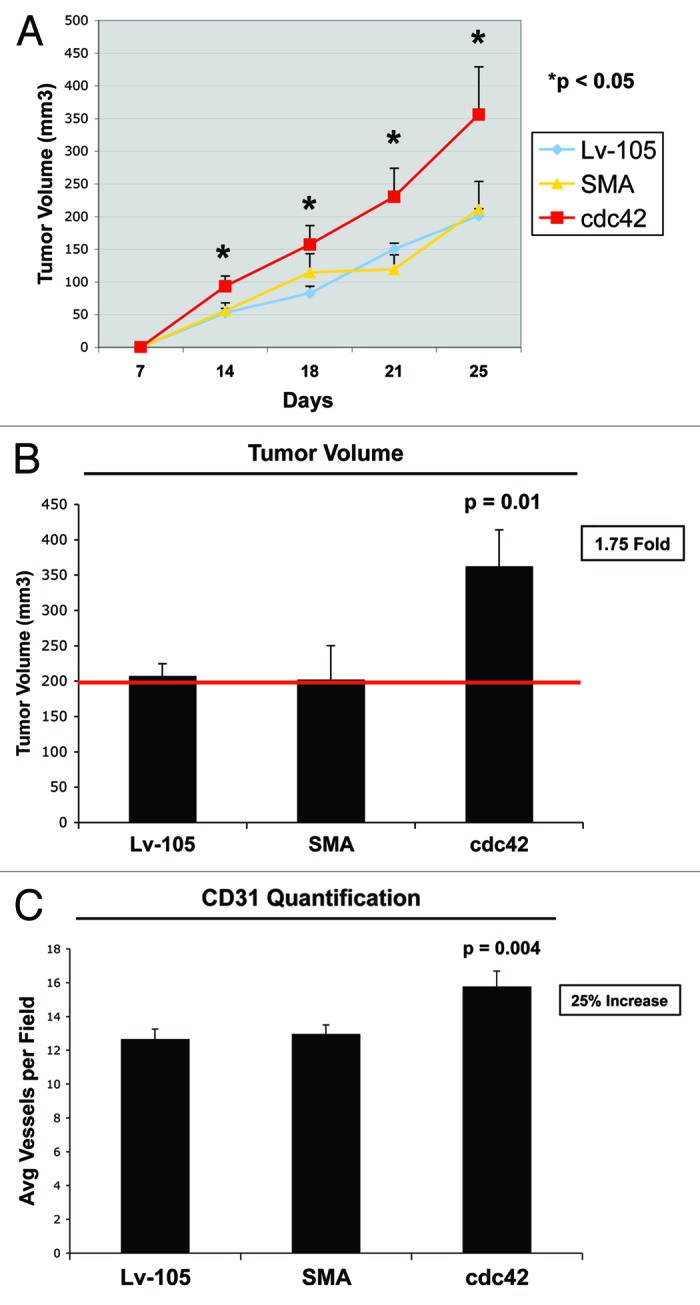
Migration stimulating factor (MSF) is a genetically truncated N-terminal isoform of fibronectin that is highly expressed during mammalian development in fetal fibroblasts, and during tumor formation in human cancer-associated myofibroblasts. However, its potential functional role in regulating tumor metabolism remains unexplored. Here, we generated an immortalized fibroblast cell line that recombinantly overexpresses MSF and studied their properties relative to vector-alone control fibroblasts. Our results indicate that overexpression of MSF is sufficient to confer myofibroblastic differentiation, likely via increased TGF-b signaling. In addition, MSF activates the inflammation-associated transcription factor NFκB, resulting in the onset of autophagy/mitophagy, thereby driving glycolytic metabolism (L-lactate production) in the tumor microenvironment. Consistent with the idea that glycolytic fibroblasts fuel tumor growth (via L-lactate, a high-energy mitochondrial fuel), MSF fibroblasts significantly increased tumor growth, by up to 4-fold. Mechanistic dissection of the MSF signaling pathway indicated that Cdc42 lies downstream of MSF and fibroblast activation. In accordance with this notion, Cdc42 overexpression in immortalized fibroblasts was sufficient to drive myofibroblast differentiation, to provoke a shift towards glycolytic metabolism and to promote tumor growth by up to 2-fold. In conclusion, the MSF/Cdc42/NFκB signaling cascade may be a critical druggable target in preventing "Warburg-like" cancer metabolism in tumor-associated fibroblasts. Thus, MSF functions in the metabolic remodeling of the tumor microenvironment by metabolically reprogramming cancer-associated fibroblasts toward glycolytic metabolism.
迁移刺激因子(MSF)是纤连蛋白的基因截断的 N 端同工型,在哺乳动物发育过程中的胎儿成纤维细胞中高度表达,并在人类癌症相关肌成纤维细胞中的肿瘤形成过程中表达。然而,其在调节肿瘤代谢中的潜在功能作用仍未被探索。在这里,我们生成了一种永生化的成纤维细胞系,该细胞系可重组过表达 MSF,并研究了它们与仅载体对照成纤维细胞相关的特性。我们的结果表明,MSF 的过表达足以赋予肌成纤维细胞分化,可能是通过增加 TGF-β信号传导。此外,MSF 激活与炎症相关的转录因子 NFκB,导致自噬/线粒体自噬的发生,从而驱动肿瘤微环境中的糖酵解代谢(L-乳酸的产生)。与糖酵解成纤维细胞通过 L-乳酸(一种高能线粒体燃料)为肿瘤生长提供燃料的观点一致,MSF 成纤维细胞显著增加了肿瘤生长,最高可达 4 倍。对 MSF 信号通路的机制分析表明,Cdc42 位于 MSF 和成纤维细胞激活的下游。与这一观点一致,在永生化成纤维细胞中过表达 Cdc42 足以驱动肌成纤维细胞分化,引发向糖酵解代谢的转变,并将肿瘤生长提高高达 2 倍。总之,MSF/Cdc42/NFκB 信号级联可能是防止肿瘤相关成纤维细胞中“Warburg 样”癌症代谢的关键可药物靶点。因此,MSF 通过将肿瘤相关成纤维细胞代谢重编程为糖酵解代谢,在肿瘤微环境的代谢重塑中发挥作用。