Shanghai Institute of Cardiovascular Diseases of Zhongshan Hospital, Fudan University, Shanghai, China.
J Cell Mol Med. 2012 Dec;16(12):3052-61. doi: 10.1111/j.1582-4934.2012.01632.x.
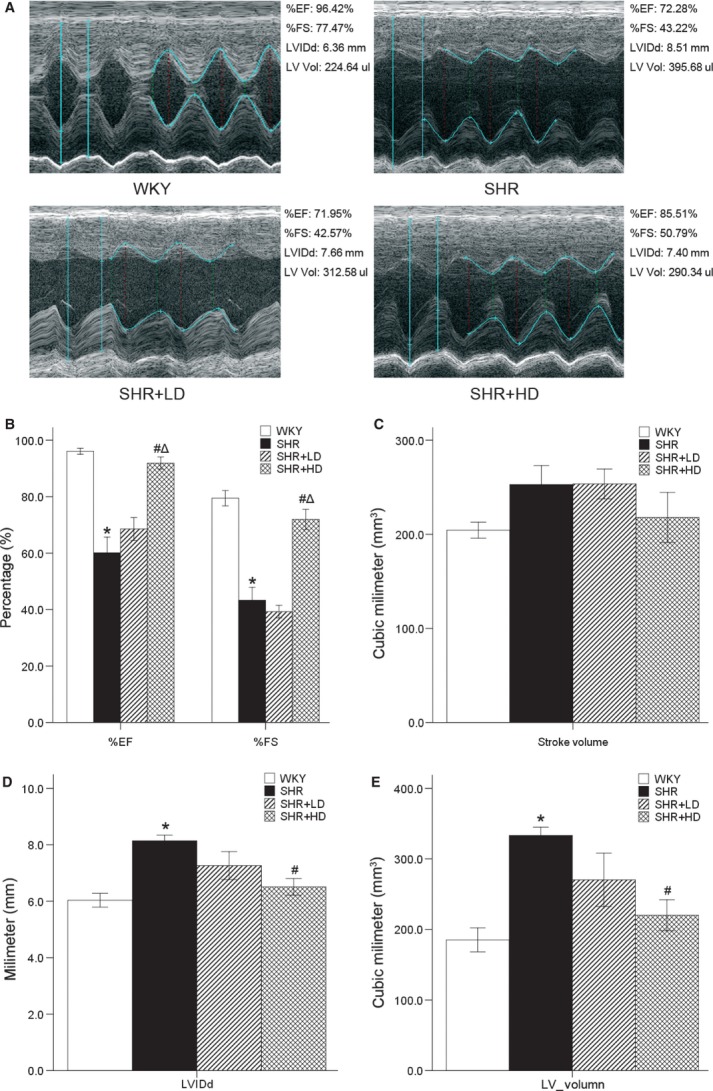
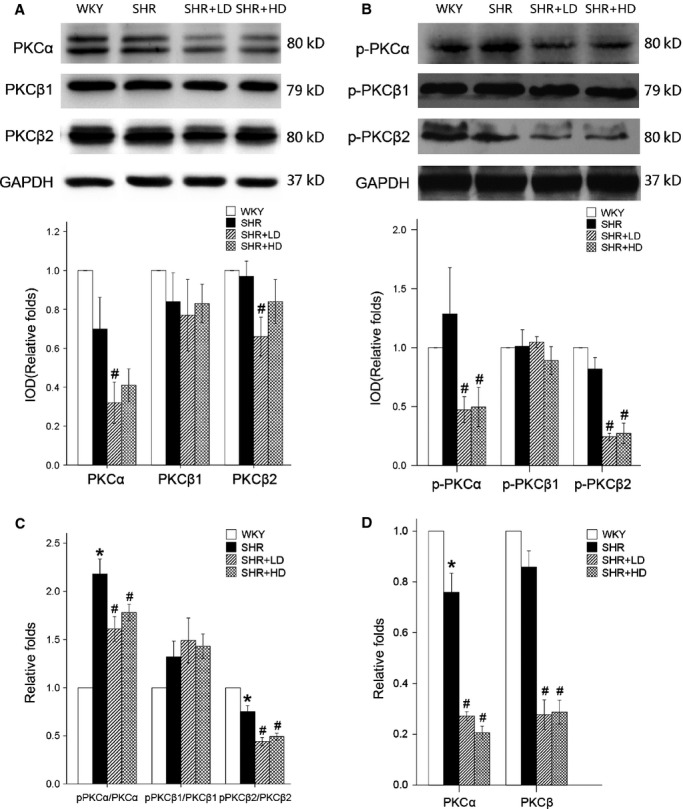
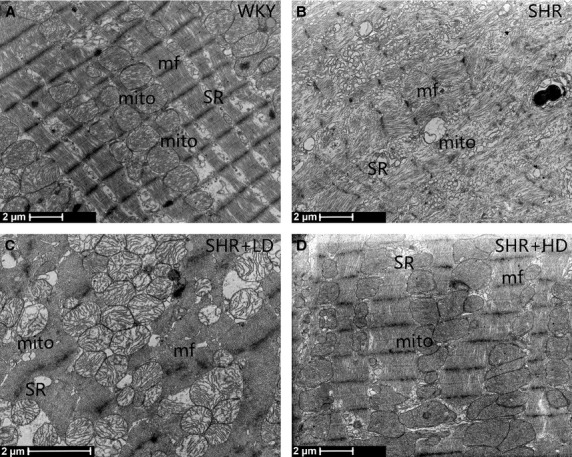
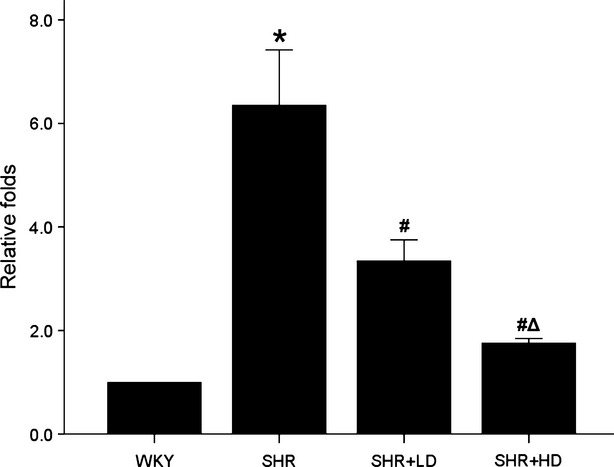
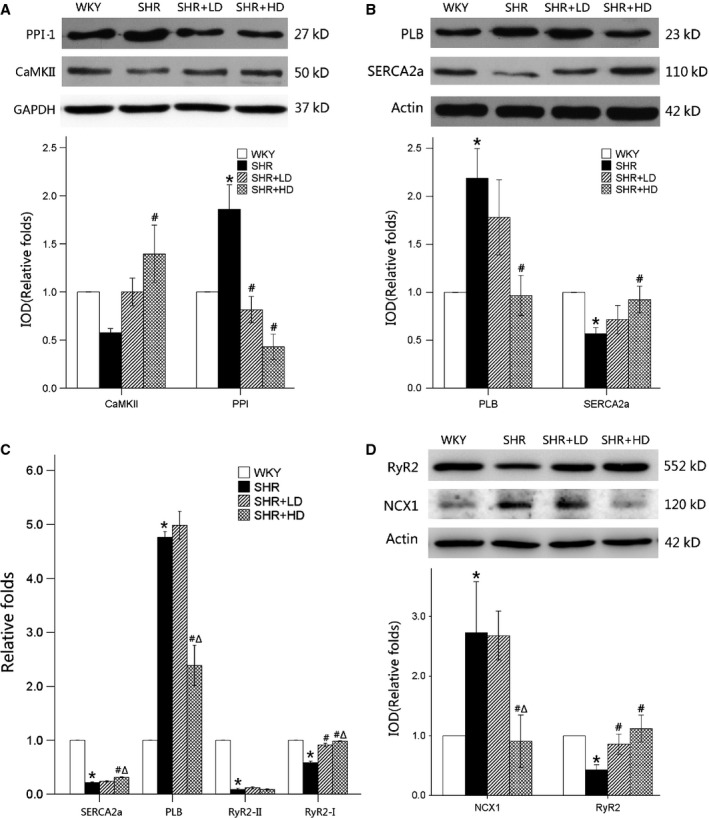
There are controversies concerning the capacity of Rosuvastatin to attenuate heart failure in end-stage hypertension. The aim of the study was to show whether the Rosuvastatin might be effective or not for the heart failure treatment. Twenty-one spontaneously hypertensive rats (SHRs) aged 52 weeks with heart failure were randomly divided into three groups: two receiving Rosuvastatin at 20 and 40 mg/kg/day, respectively, and the third, placebo for comparison with seven Wistar-Kyoto rats (WKYs) as controls. After an 8-week treatment, the systolic blood pressure (SBP) and echocardiographic features were evaluated; mRNA level of B-type natriuretic peptide (BNP) and plasma NT-proBNP concentration were measured; the heart tissues were observed under electron microscope (EM); myocardial sarcoplasmic reticulum Ca(2+) pump (SERCA-2) activity and mitochondria cytochrome C oxidase (CCO) activity were measured; the expressions of SERCA-2a, phospholamban (PLB), ryanodine receptor2 (RyR2), sodium-calcium exchanger 1 (NCX1), Ca(2+)/calmodulin-dependent protein kinase II (CaMKII) and protein phosphatase inhibitor-1 (PPI-1) were detected by Western blot and RT-qPCR; and the total and phosphorylation of protein kinase Cα/β (PKCα/β) were measured. Aged SHRs with heart failure was characterized by significantly decreased left ventricular ejection fraction and left ventricular fraction shortening, enhanced left ventricular end-diastolic diameter and LV Volume, accompanied by increased plasma NT-proBNP and elevated BNP gene expression. Damaged myofibrils, vacuolated mitochondria and swollen sarcoplasmic reticulum were observed by EM. Myocardium mitochondria CCO and SERCA-2 activity decreased. The expressions of PLB and NCX1 increased significantly with up-regulation of PPI-1 and down-regulation of CaMKII, whereas that of RyR2 decreased. Rosuvastatin was found to ameliorate the heart failure in aged SHRs and to improve changes in SERCA-2a, PLB, RyR2, NCX1, CaMKII and PPI-1; PKCα/β2 signal pathway to be suppressed; the protective effect of Rosuvastatin to be dose dependent. In conclusion, the heart failure of aged SHRs that was developed during the end stage of hypertension could be ameliorated by Rosuvastatin.
关于瑞舒伐他汀能否减轻终末期高血压心力衰竭,存在争议。本研究旨在表明瑞舒伐他汀是否对心力衰竭的治疗有效。将 21 只 52 周龄的自发性高血压大鼠(SHR)心力衰竭模型随机分为三组:分别给予瑞舒伐他汀 20mg/kg/天和 40mg/kg/天,第三组为安慰剂,共 7 只 Wistar-Kyoto 大鼠(WKY)作为对照组。8 周治疗后,评估收缩压(SBP)和超声心动图特征;测定 B 型利钠肽(BNP)mRNA 水平和血浆 NT-proBNP 浓度;电镜观察心肌组织;测定心肌肌浆网 Ca2+泵(SERCA-2)活性和线粒体细胞色素 C 氧化酶(CCO)活性;用 Western blot 和 RT-qPCR 检测 SERCA-2a、磷酸化肌球蛋白轻链(PLB)、兰尼碱受体 2(RyR2)、钠钙交换蛋白 1(NCX1)、钙调蛋白依赖性蛋白激酶 II(CaMKII)和蛋白磷酸酶抑制剂 1(PPI-1)的表达;测量总蛋白激酶 Cα/β(PKCα/β)和磷酸化蛋白激酶 Cα/β(PKCα/β)的表达。伴有心力衰竭的老年 SHR 表现为左心室射血分数和左心室缩短率显著降低,左心室舒张末期直径和 LV 容积增加,伴有血浆 NT-proBNP 升高和 BNP 基因表达上调。电镜观察到肌原纤维损伤、空泡化线粒体和肿胀的肌浆网。心肌线粒体 CCO 和 SERCA-2 活性降低。PLB 和 NCX1 的表达明显增加,而 RyR2 的表达则降低,同时 PPI-1 上调,CaMKII 下调。瑞舒伐他汀可改善老年 SHR 的心力衰竭,并改善 SERCA-2a、PLB、RyR2、NCX1、CaMKII 和 PPI-1 的变化;抑制 PKCα/β2 信号通路;瑞舒伐他汀的保护作用呈剂量依赖性。综上所述,在高血压终末期发生的老年 SHR 心力衰竭可以通过瑞舒伐他汀得到改善。