Escanilla Olga, Alperin Sam, Youssef Monica, Ennis Matthew, Linster Christiane
Computational Physiology Lab, Department of Neurobiology and Behavior, Cornell University, Ithaca, NY 13068, USA.
Behav Neurosci. 2012 Oct;126(5):720-8. doi: 10.1037/a0030006.
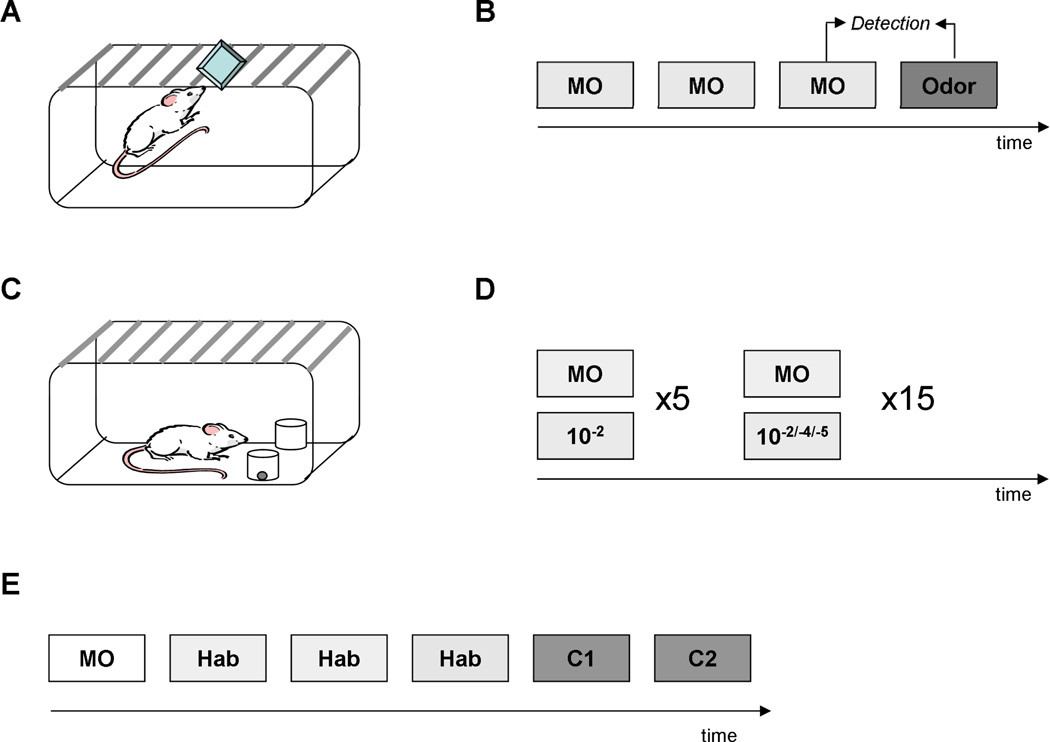
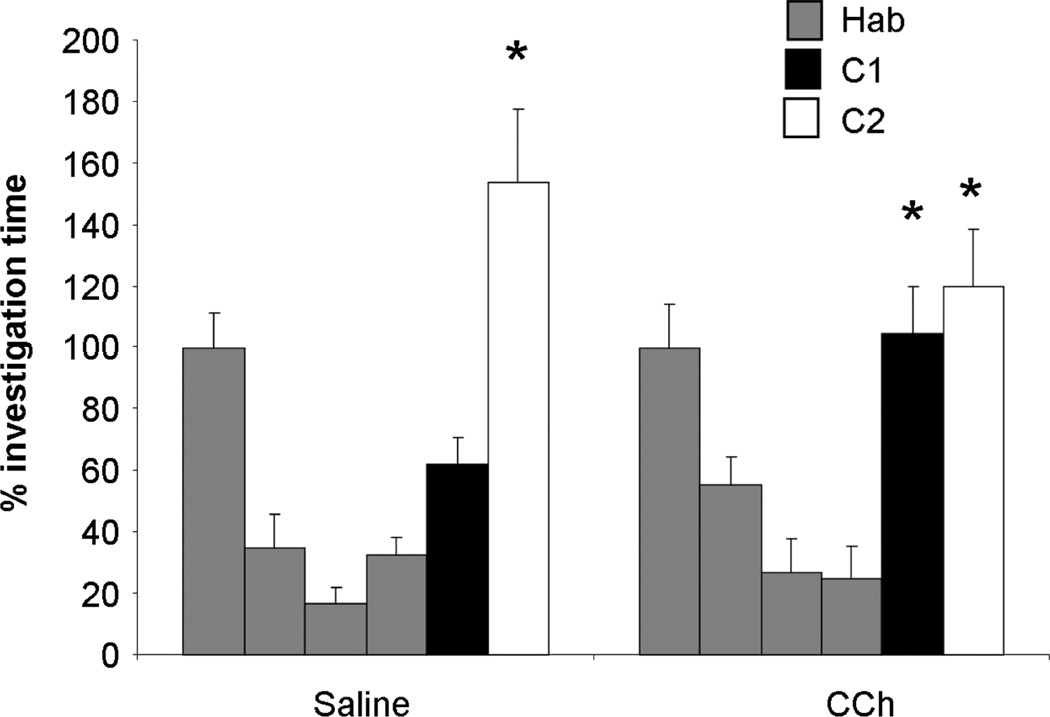
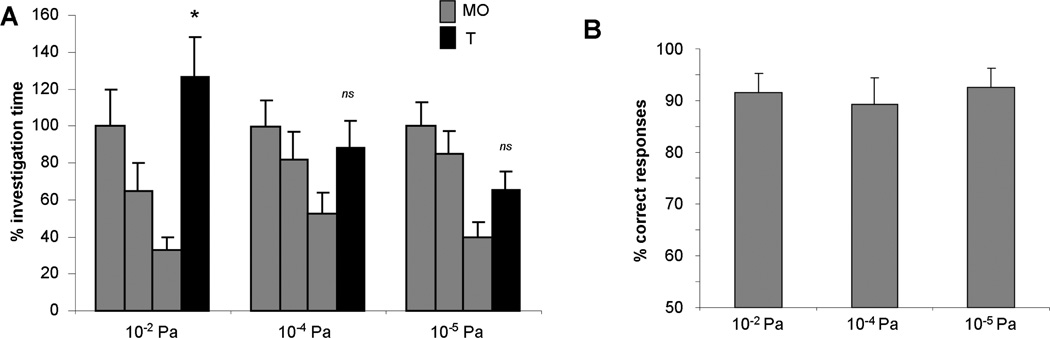
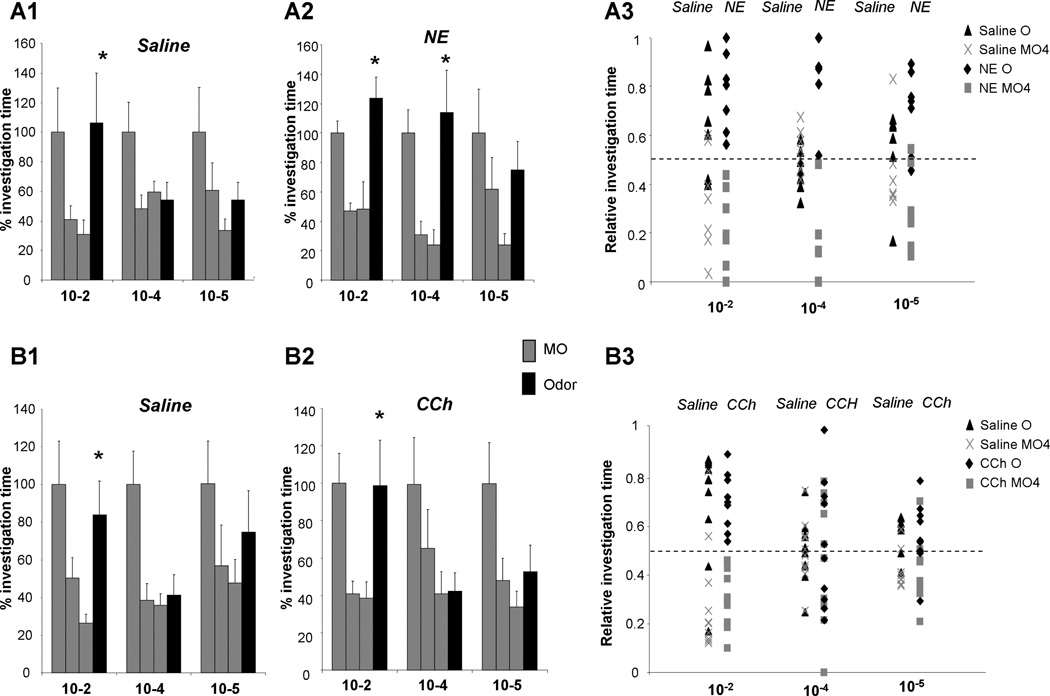
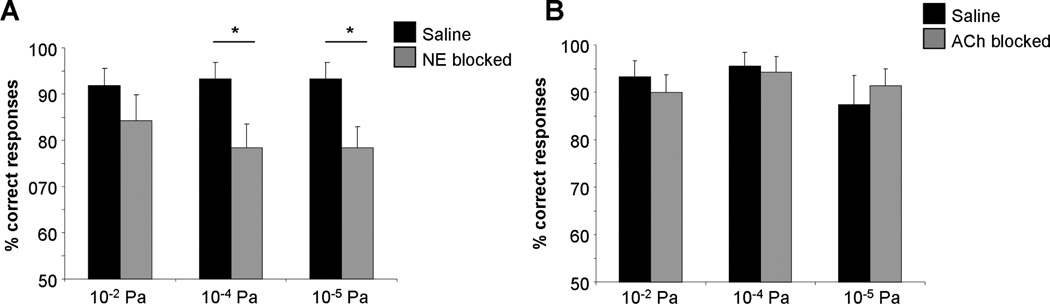
Neuromodulatory systems such as noradrenaline (NE), acetylcholine (ACh), and serotonin (5HT) serve important functions in sensory perception. We use the olfactory bulb (OB) as a model system to study the roles of individual neuromodulators in sensory perception. Using a spontaneous, nonreward motivated detection task, as well as a reward-motivated task, we show that rats can easily respond to odorants at very low concentrations when motivated to do so in a food-rewarded task, despite not showing spontaneous responses to these low concentration odorants. Using the same tasks paired with local bulbar infusions of noradrenergic and cholinergic drugs, we then show that rats engage their noradrenergic, but not their cholinergic system, to better respond to near threshold odorants. These results suggest that while cholinergic modulation of OB function is mostly important for odor decorrelation and discrimination, noradrenergic modulation is important for signal-to-noise modulation.
去甲肾上腺素(NE)、乙酰胆碱(ACh)和5-羟色胺(5HT)等神经调节系统在感觉知觉中发挥着重要作用。我们使用嗅球(OB)作为模型系统来研究单个神经调质在感觉知觉中的作用。通过一个自发的、无奖励动机的检测任务以及一个奖励动机任务,我们发现,尽管大鼠对这些低浓度气味剂不表现出自发反应,但在食物奖励任务中有动机时,它们能够轻松地对极低浓度的气味剂做出反应。然后,通过将相同任务与嗅球局部注入去甲肾上腺素能和胆碱能药物相结合,我们发现大鼠通过其去甲肾上腺素能系统而非胆碱能系统,来更好地对接近阈值的气味剂做出反应。这些结果表明,虽然胆碱能对嗅球功能的调节对于气味去相关和辨别最为重要,但去甲肾上腺素能调节对于信噪比调节很重要。