College of Nursing, The University of Arizona, Tucson, AZ, USA.
Psychol Health. 2013;28(3):336-54. doi: 10.1080/08870446.2012.731058. Epub 2012 Oct 9.
We examined selected survivor characteristics to determine what factors might moderate the response to two psychosocial interventions.
Seventy-one prostate cancer survivors (PCSs) were randomly assigned to either a telephone-delivered health education (THE) intervention or a telephone-delivered interpersonal counselling (TIP-C) intervention.
Psychological quality of life (QOL) outcomes included depression, negative and positive affect, and perceived stress.
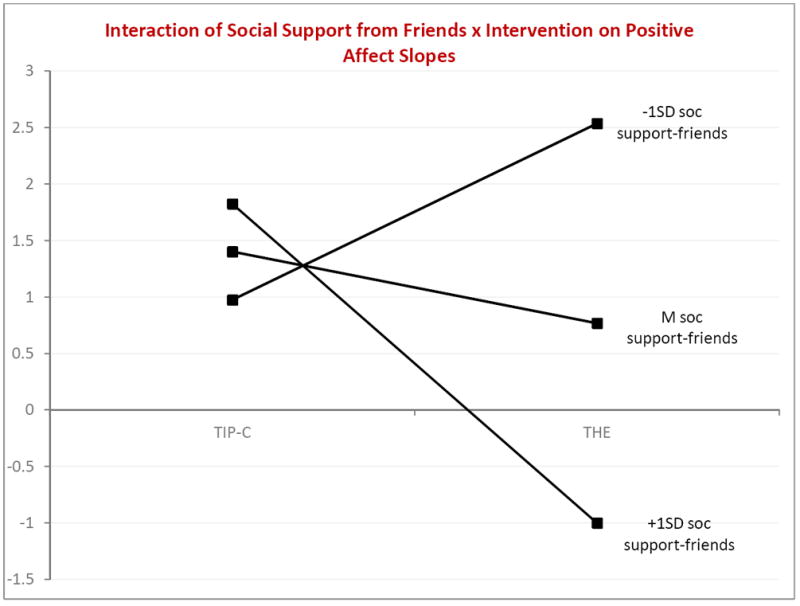
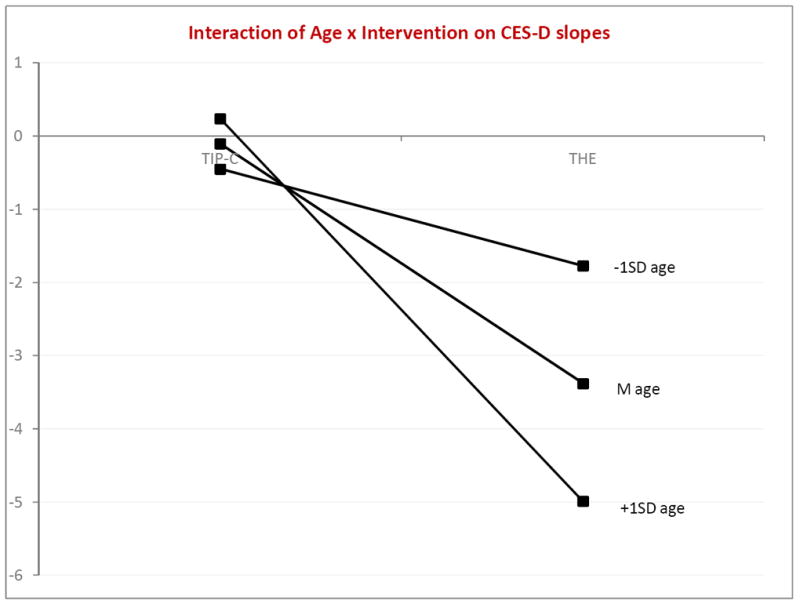
For three of the psychological outcomes (depression, negative affect and stress), there were distinct advantages from participating in THE. For example, more favourable depression outcomes occurred when men were older, had lower prostate specific functioning, were in active chemotherapy, had lower social support from friends and lower cancer knowledge. Participating in the TIP-C provided a more favourable outcome for positive affect when men had higher education, prostate specific functioning, social support from friends and cancer knowledge.
Unique survivor characteristics must be considered when recommending interventions that might improve psychological QOL in PCSs. Future research must examine who benefits most and from what components of psychosocial interventions to enable clinicians to recommend appropriate psychosocial care.
我们研究了一些幸存者特征,以确定哪些因素可能会影响两种心理社会干预的反应。
71 名前列腺癌幸存者(PCSs)被随机分配到电话传递健康教育(THE)干预组或电话传递人际咨询(TIP-C)干预组。
心理生活质量(QOL)结果包括抑郁、消极和积极影响以及感知压力。
对于三个心理结果(抑郁、消极影响和压力),参与 THE 有明显的优势。例如,当男性年龄较大、前列腺特异性功能较低、正在接受积极化疗、来自朋友的社会支持较低和癌症知识较低时,抑郁结果更为有利。当男性接受更高的教育、前列腺特异性功能、来自朋友的社会支持和癌症知识时,接受 TIP-C 提供了更有利的积极影响结果。
在推荐可能改善 PCSs 心理 QOL 的干预措施时,必须考虑到独特的幸存者特征。未来的研究必须研究谁受益最多,以及从心理社会干预的哪些组成部分受益,以使临床医生能够推荐适当的心理社会护理。