Centre for Robotic and Neural Systems, Cognition Institute, Plymouth University Plymouth, UK.
Front Comput Neurosci. 2012 Oct 10;6:84. doi: 10.3389/fncom.2012.00084. eCollection 2012.
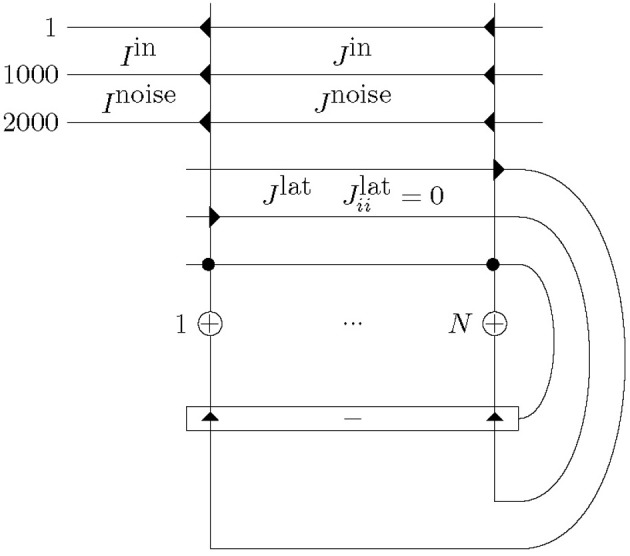
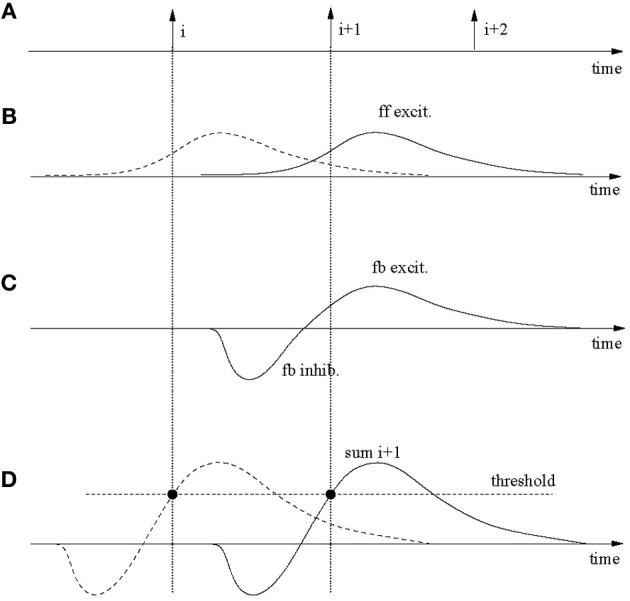
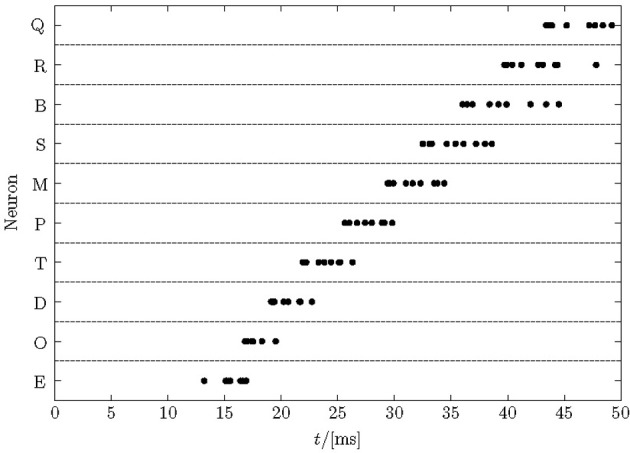
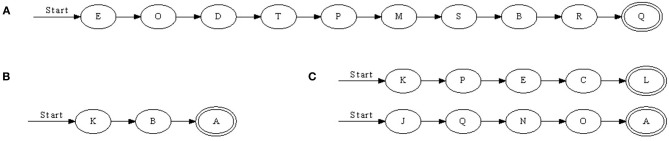
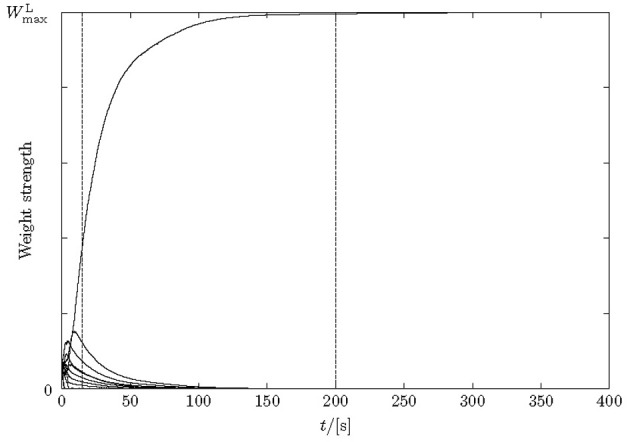
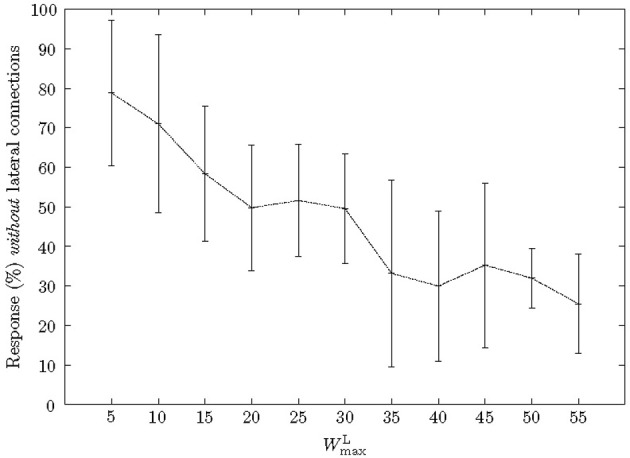
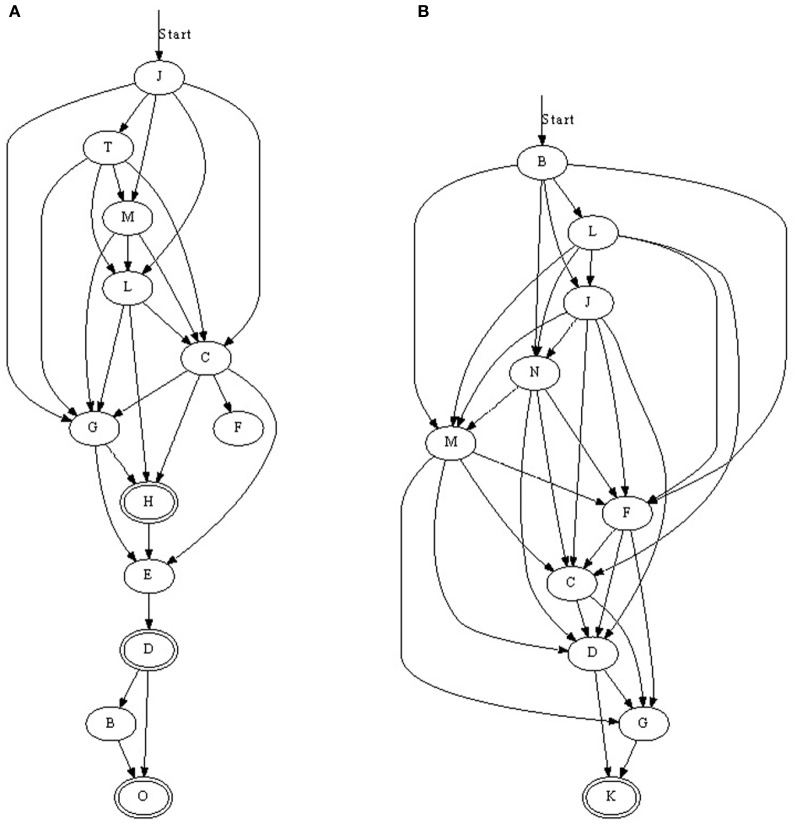
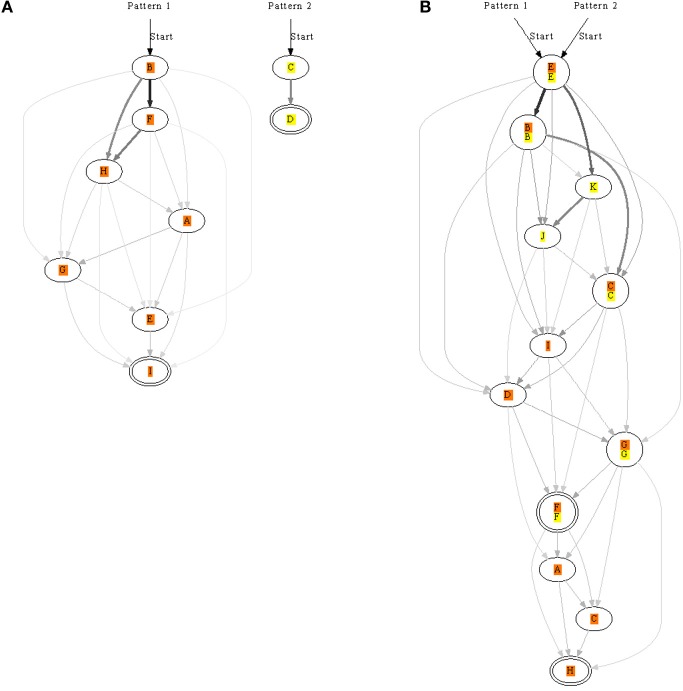
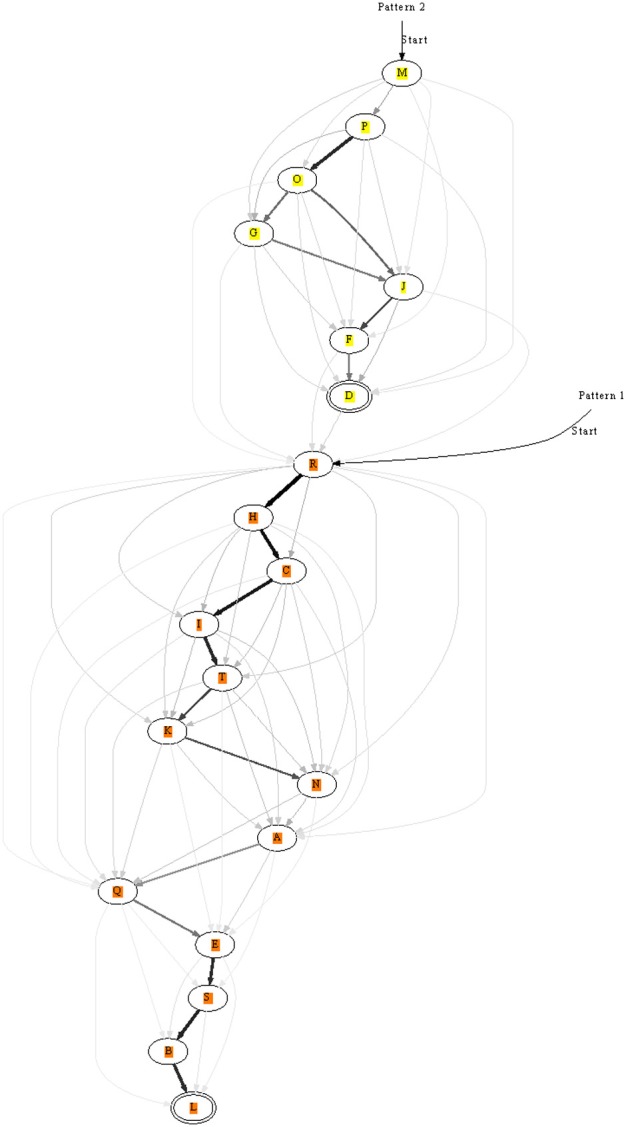
It has previously been shown that by using spike-timing-dependent plasticity (STDP), neurons can adapt to the beginning of a repeating spatio-temporal firing pattern in their input. In the present work, we demonstrate that this mechanism can be extended to train recognizers for longer spatio-temporal input signals. Using a number of neurons that are mutually connected by plastic synapses and subject to a global winner-takes-all mechanism, chains of neurons can form where each neuron is selective to a different segment of a repeating input pattern, and the neurons are feed-forwardly connected in such a way that both the correct input segment and the firing of the previous neurons are required in order to activate the next neuron in the chain. This is akin to a simple class of finite state automata. We show that nearest-neighbor STDP (where only the pre-synaptic spike most recent to a post-synaptic one is considered) leads to "nearest-neighbor" chains where connections only form between subsequent states in a chain (similar to classic "synfire chains"). In contrast, "all-to-all spike-timing-dependent plasticity" (where all pre- and post-synaptic spike pairs matter) leads to multiple connections that can span several temporal stages in the chain; these connections respect the temporal order of the neurons. It is also demonstrated that previously learnt individual chains can be "stitched together" by repeatedly presenting them in a fixed order. This way longer sequence recognizers can be formed, and potentially also nested structures. Robustness of recognition with respect to speed variations in the input patterns is shown to depend on rise-times of post-synaptic potentials and the membrane noise. It is argued that the memory capacity of the model is high, but could theoretically be increased using sparse codes.
先前已经表明,通过使用尖峰时间依赖性可塑性(STDP),神经元可以适应其输入中重复时空发射模式的开始。在目前的工作中,我们证明了这种机制可以扩展到训练更长时空输入信号的识别器。使用通过可塑突触相互连接并受到全局胜者通吃机制支配的多个神经元,可以形成神经元链,其中每个神经元对重复输入模式的不同段具有选择性,并且神经元以这样的方式前馈连接,即正确的输入段和前一个神经元的发射都需要激活链中的下一个神经元。这类似于简单的有限状态自动机。我们表明,最近邻 STDP(仅考虑最近的前一个尖峰到后一个尖峰的突触)导致“最近邻”链,其中仅在链中的后续状态之间形成连接(类似于经典的“synfire 链”)。相比之下,“全对全尖峰时间依赖性可塑性”(其中所有前向和后向尖峰对都有关系)导致可以跨越链中的几个时间阶段的多个连接;这些连接尊重神经元的时间顺序。还证明了先前学习的单个链可以通过以固定顺序重复呈现它们而“拼接在一起”。这样可以形成更长的序列识别器,并且可能还有嵌套结构。输入模式中速度变化的识别稳健性取决于后突触电位的上升时间和膜噪声。有人认为该模型的记忆容量很高,但理论上可以使用稀疏码来增加。