Mohammadzadeh T, Sadjjadi Sm, Rahimi Hr, Shams S
Department of Parasitology and Mycology, School of Medicine, Shiraz University of Medical Sciences, Shiraz, Iran.
Iran J Parasitol. 2012;7(1):59-66.
Echinococcus granulosus, a zoonotic cestode parasite, causative agent of hydatid cyst is endemic in many parts of the world including the Middle East. Study on different aspects of this parasite is very important and valuable. However, working with adult worms which their habitat situated in the small intestine of canids, is dangerous and risky. Achieving such risky situation needs a controlled condition which is cultivation of the organisms in the laboratory. In this regard, cultivation of E. granulosus protoscoleces leading to adult worms was established in the laboratory for the first time in Iran.
Under aseptic conditions a number of protoscoleces were cultivated in diphasic S.10E.H medium using CO2 incubator to produce adult worms.
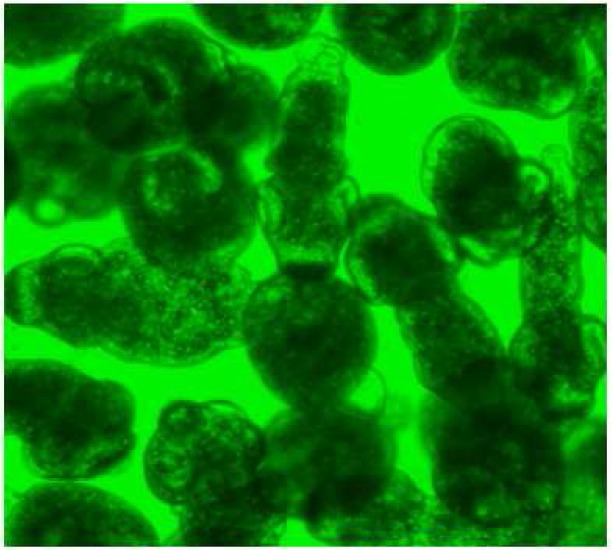
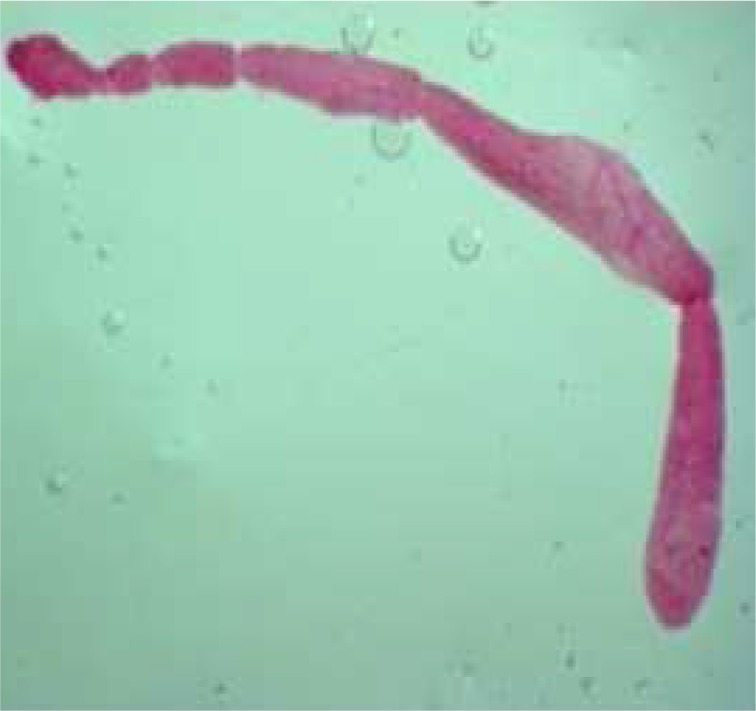
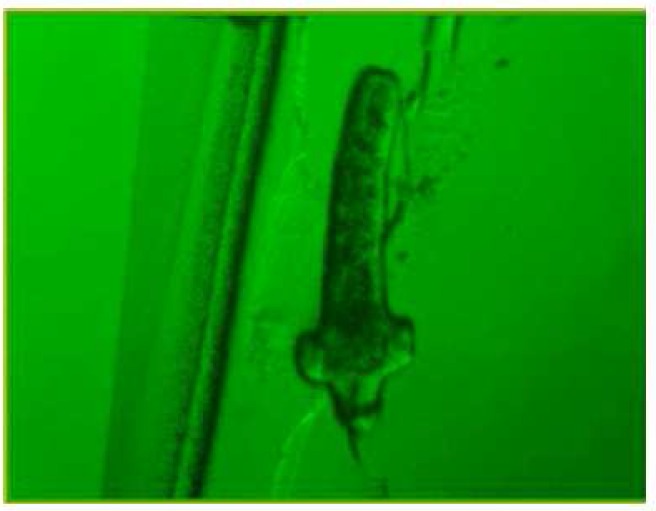
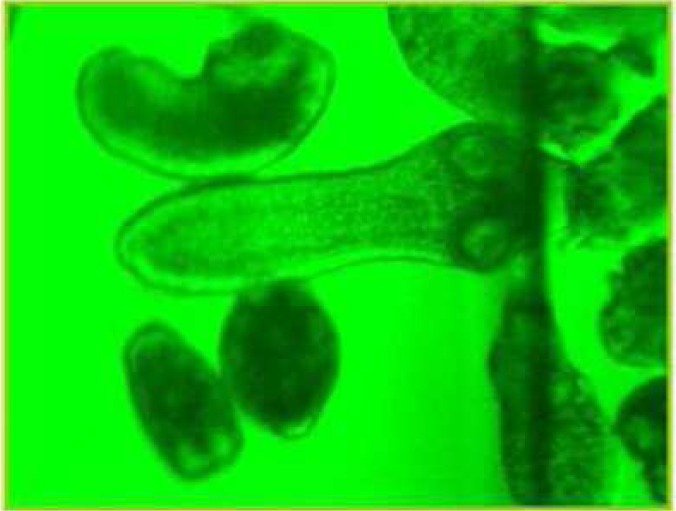
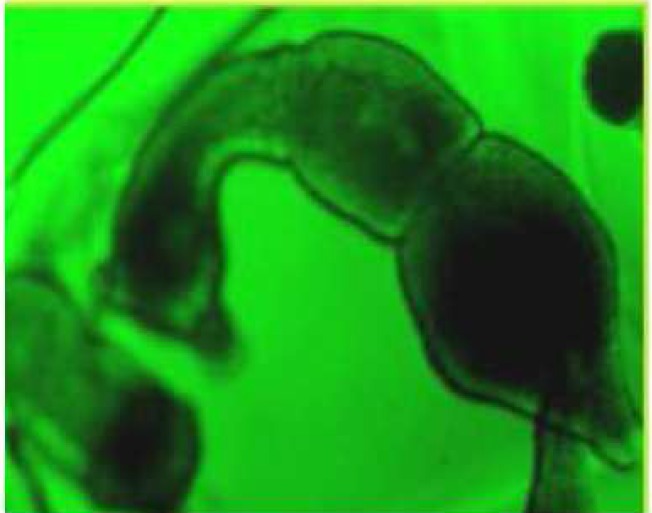
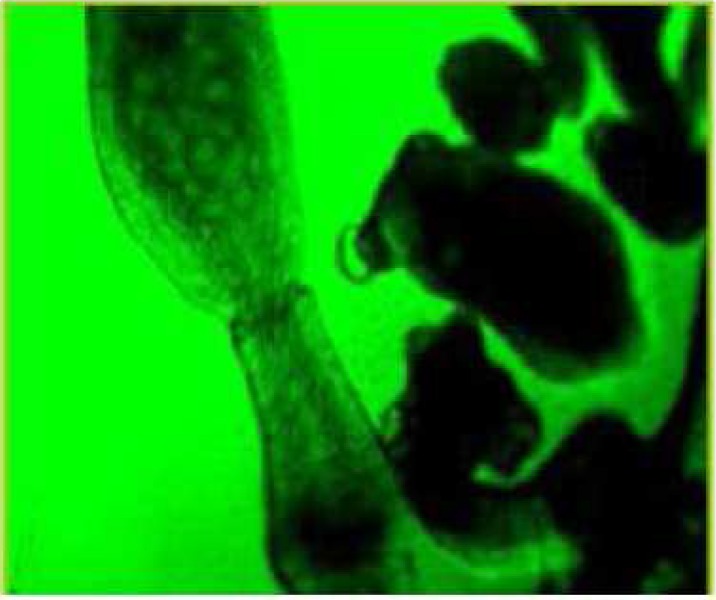
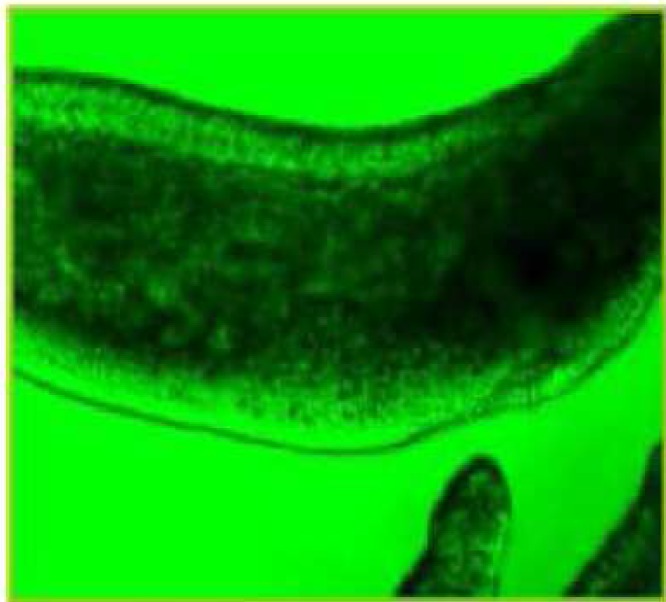
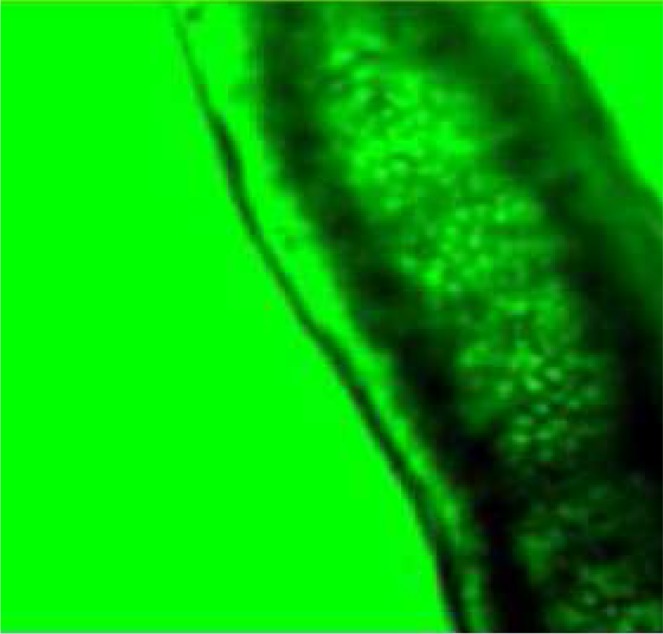
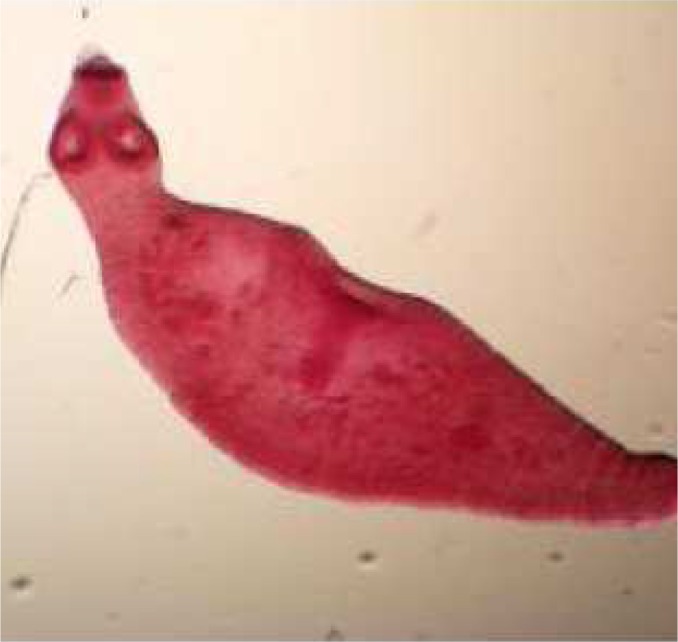
Different forms of parasites including pre-segmentation stages (PS1 - PS4) and segmentation stages (S5-S8) and developing stages in segmented worms (S10-S11) were observed and evaluated in these medium. Finally adult worms contained four proglottids with a large and distinct genital pore were observed 50-55 days post cultivation. These parasites do not produce fertile eggs and conclusively do not have risk of hydatid disease transmission to the researchers.
The mentioned method for producing E. granulosus adult worms can open a new window for researches and facilitate working on different aspects of hydatidosis especially for diagnosis, protection and treatment studies.
细粒棘球绦虫是一种人畜共患的绦虫寄生虫,是包虫囊肿的病原体,在包括中东在内的世界许多地区都有流行。对这种寄生虫不同方面的研究非常重要且有价值。然而,处理成虫(其栖息地位于犬科动物的小肠)是危险且有风险的。要达到这种危险情况需要可控条件,即在实验室中培养这些生物体。在这方面,伊朗首次在实验室中建立了将细粒棘球绦虫原头蚴培养成成虫的方法。
在无菌条件下,使用二氧化碳培养箱在双相S.10E.H培养基中培养一些原头蚴以产生成虫。
在这些培养基中观察并评估了不同形态的寄生虫,包括未分段阶段(PS1 - PS4)、分段阶段(S5 - S8)以及分段虫体中的发育阶段(S10 - S11)。最终,培养50 - 55天后观察到含有四个节片且有一个大而明显生殖孔的成虫。这些寄生虫不产生可育卵,因此不会对研究人员有包虫病传播风险。
上述生产细粒棘球绦虫成虫的方法可为研究打开一扇新窗口,并有助于开展包虫病不同方面的研究,特别是诊断、预防和治疗研究。