Research Institute for Children, Louisiana State University Health Sciences Center, New Orleans, Louisiana, United States of America.
PLoS One. 2012;7(11):e49402. doi: 10.1371/journal.pone.0049402. Epub 2012 Nov 8.
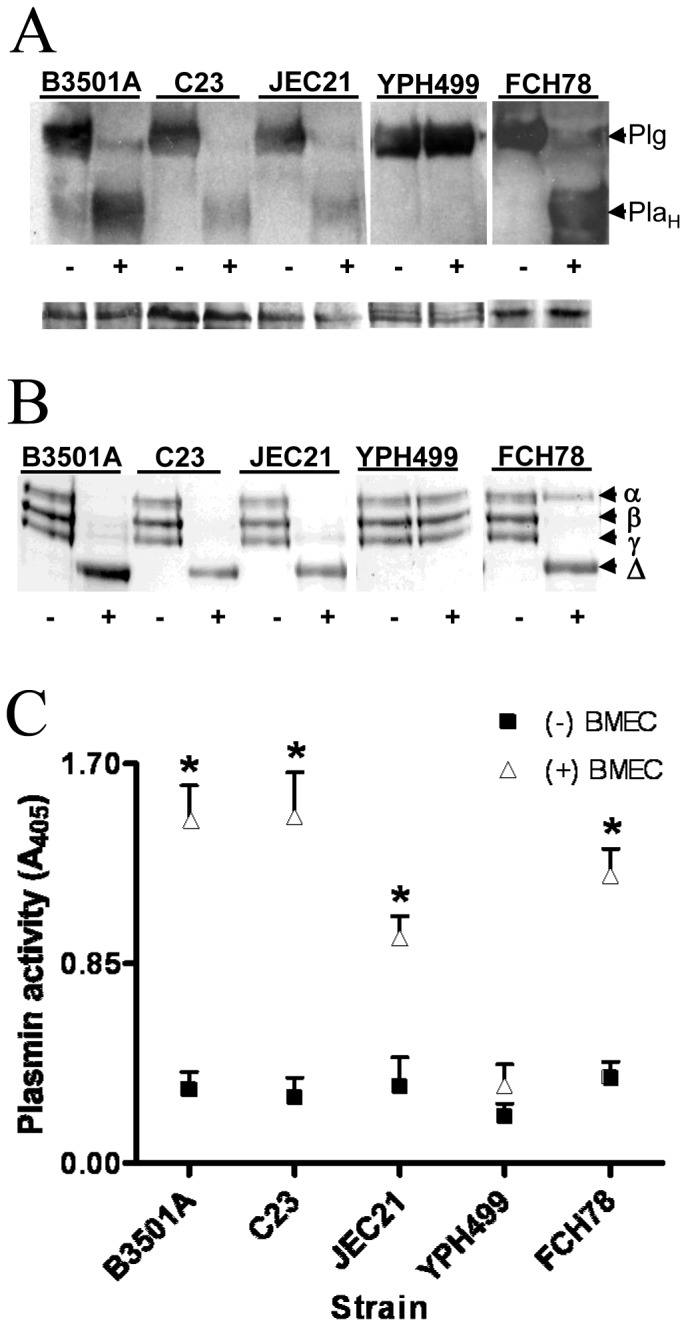
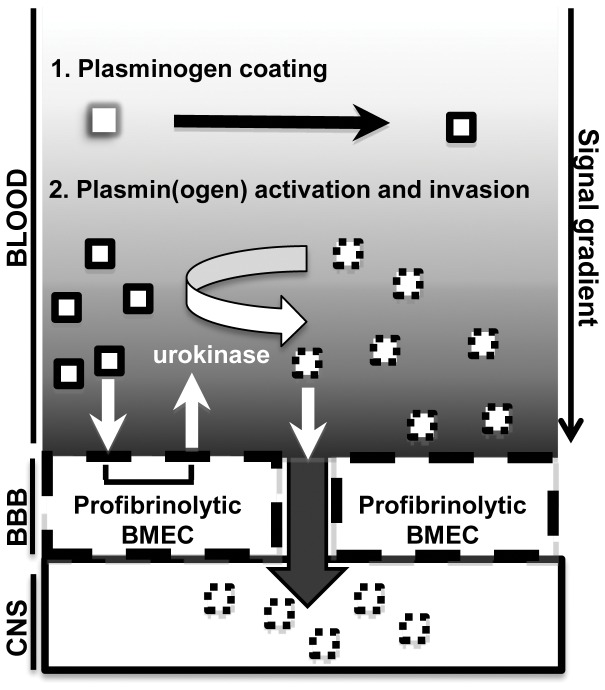
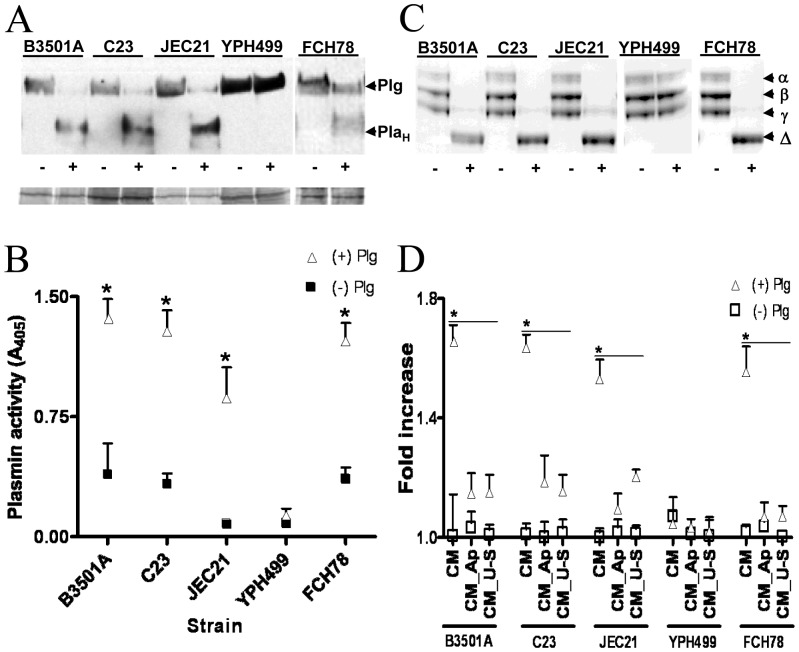
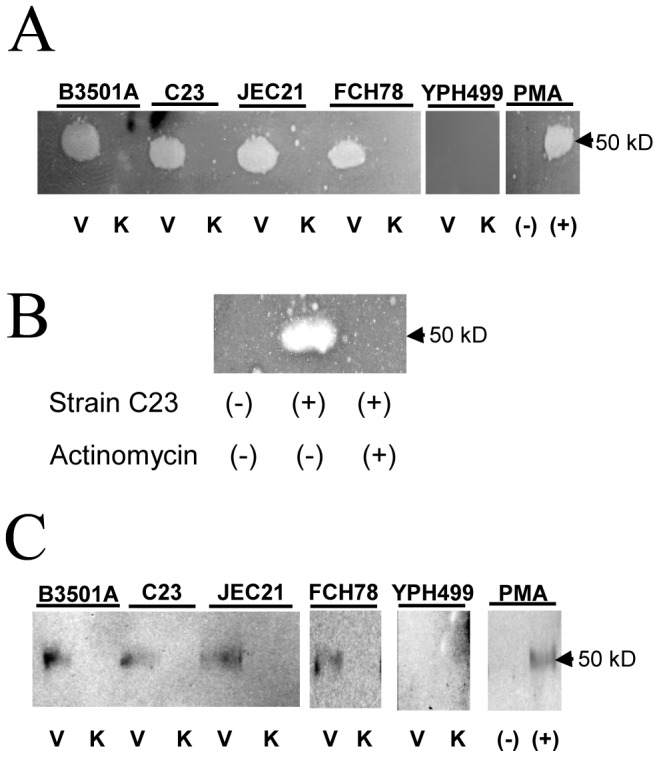
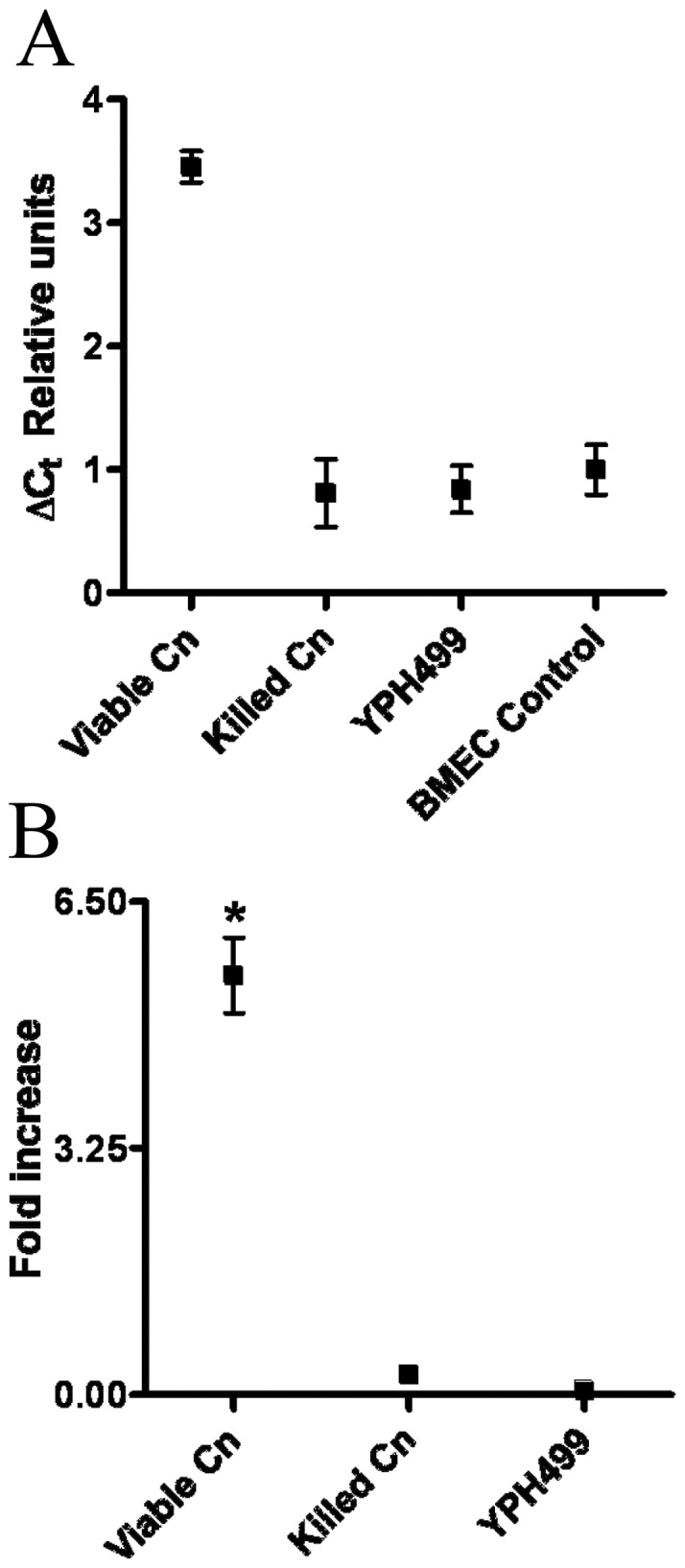
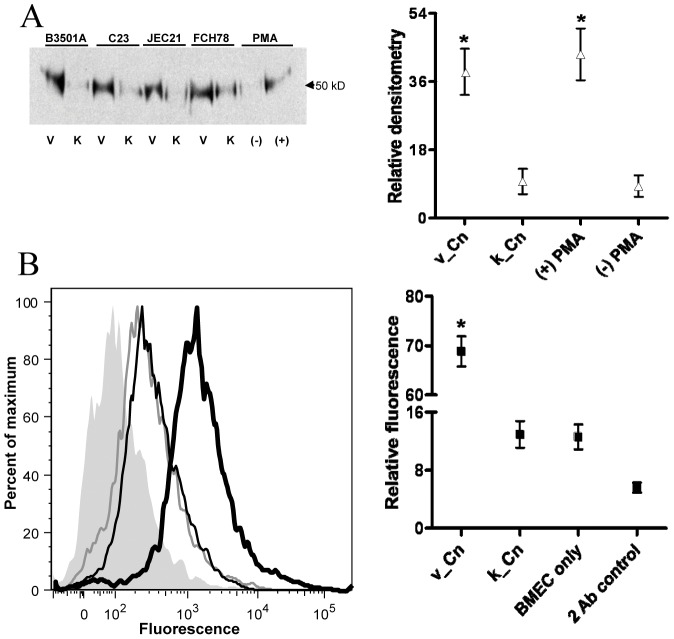
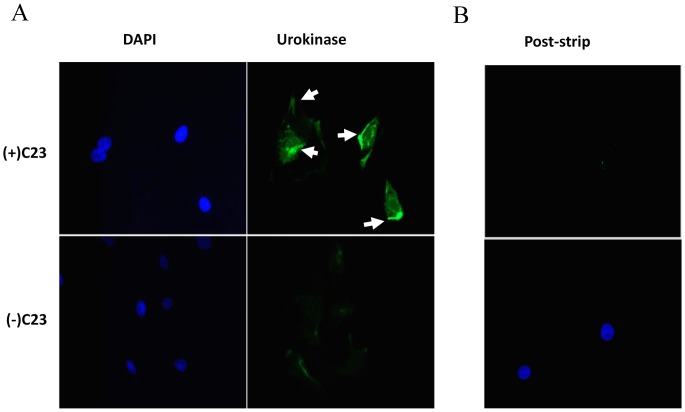
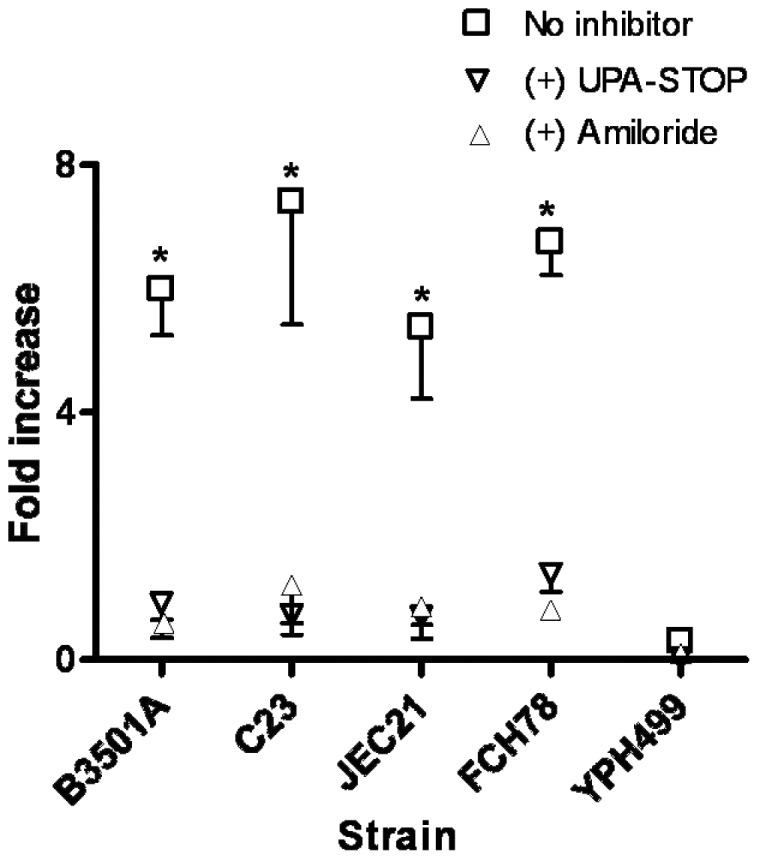
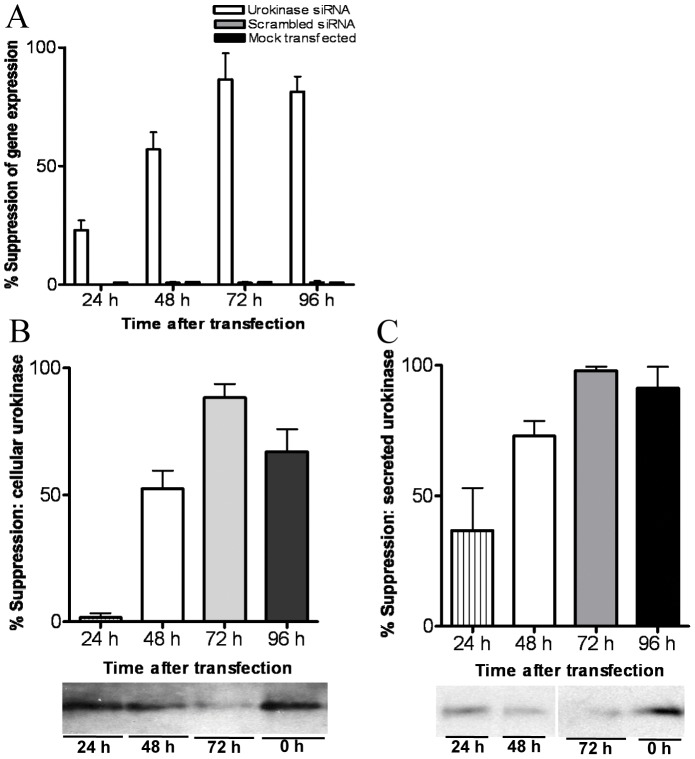
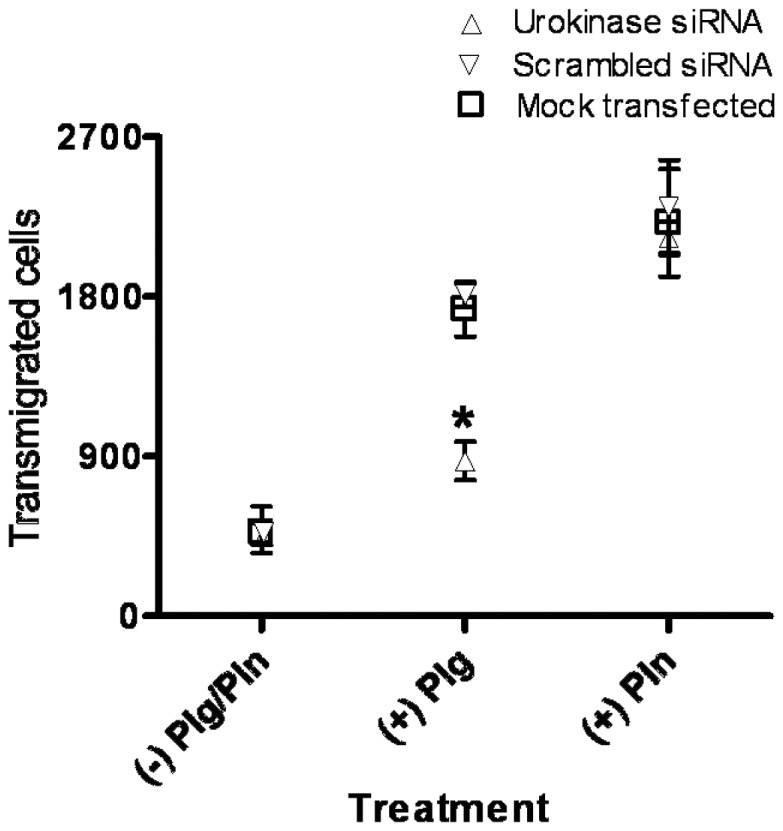
The invasive ability of the blood-borne fungal pathogen Cryptococcus neoformans can be enhanced through interactions with host plasma components, such as plasminogen. Previously we showed by in vitro studies that plasminogen coats the surface of C. neoformans and is converted to the active serine protease, plasmin, by host plasminogen activators. Viable, but not formaldehyde- or sodium azide-killed, cryptococcal strains undergo brain microvascular endothelial cell-dependent plasminogen-to-plasmin activation, which results in enhanced, plasmin-dependent cryptococcal invasion of primary bovine brain microvascular endothelial cells and fungal ability to degrade plasmin substrates. In the present work, brain microvascular endothelial cells cultured with viable, but not killed, cryptococcal strains led to significant increases in both urokinase mRNA transcription and cell-associated urokinase protein expression. Soluble urokinase was also detected in conditioned medium from brain microvascular endothelial cells cultured with viable, but not killed, C. neoformans. Exposure of plasminogen pre-coated viable C. neoformans to conditioned medium from strain-matched brain microvascular endothelial cell-fungal co-cultures resulted in plasminogen-to-plasmin activation and plasmin-dependent cryptococcal invasion. siRNA-mediated silencing of urokinase gene expression or the use of specific inhibitors of urokinase activity abrogated both plasminogen-to-plasmin activation on C. neoformans and cryptococcal-brain microvascular endothelial cell invasion. Our results suggest that pathogen exploitation of the host urokinase-plasmin(ogen) system may contribute to C. neoformans virulence during invasive cryptococcosis.
血源真菌病原体新型隐球菌的侵袭能力可以通过与宿主血浆成分(如纤溶酶原)相互作用而增强。先前我们通过体外研究表明,纤溶酶原覆盖在新型隐球菌的表面,并被宿主纤溶酶原激活剂转化为活性丝氨酸蛋白酶纤溶酶。有活力但未经甲醛或叠氮化钠杀死的隐球菌株经历依赖于脑微血管内皮细胞的纤溶酶原向纤溶酶的激活,这导致增强的、依赖于纤溶酶的新型隐球菌对原代牛脑微血管内皮细胞的侵袭和真菌降解纤溶酶底物的能力。在本工作中,与有活力但未经杀死的隐球菌株共培养的脑微血管内皮细胞导致尿激酶 mRNA 转录和细胞相关尿激酶蛋白表达显著增加。可溶性尿激酶也在与有活力但未经杀死的新型隐球菌共培养的脑微血管内皮细胞的条件培养基中被检测到。将预先涂覆纤溶酶原的有活力的新型隐球菌暴露于与菌株匹配的脑微血管内皮细胞-真菌共培养物的条件培养基中,导致纤溶酶原向纤溶酶的激活和依赖纤溶酶的新型隐球菌侵袭。尿激酶基因表达的 siRNA 介导沉默或尿激酶活性的特异性抑制剂的使用消除了新型隐球菌上的纤溶酶原向纤溶酶的激活和新型隐球菌-脑微血管内皮细胞的侵袭。我们的结果表明,病原体对宿主尿激酶-纤溶酶原(ogen)系统的利用可能有助于新型隐球菌在侵袭性隐球菌病期间的毒力。