Sayim Bilge, Cavanagh Patrick
Laboratoire Psychologie de la Perception, Université Paris Descartes, Sorbonne Paris Cité, 45 rue des Saints-Pères, 75006 Paris, France; email:
Iperception. 2011;2(7):679-96. doi: 10.1068/i0459aap. Epub 2011 Oct 27.
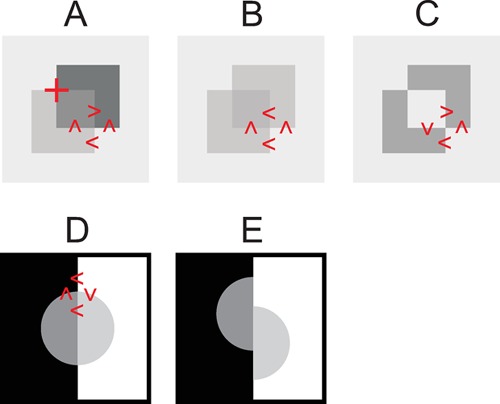
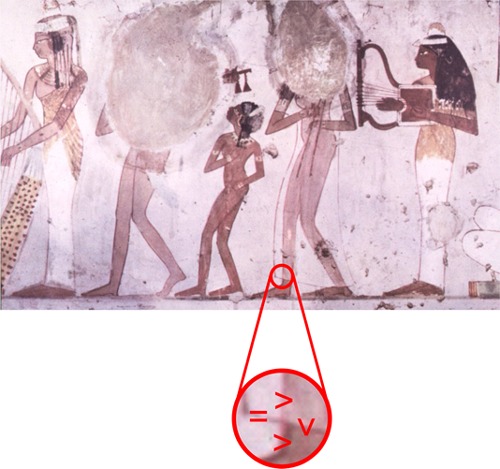
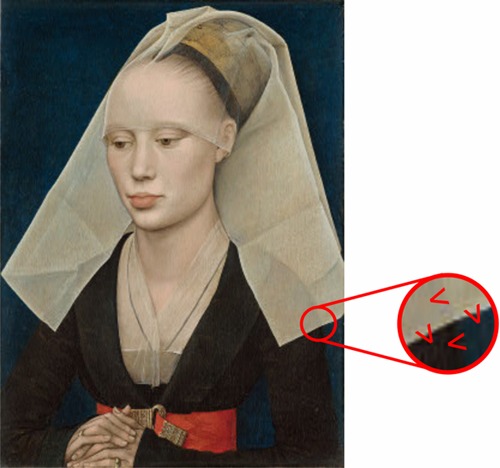
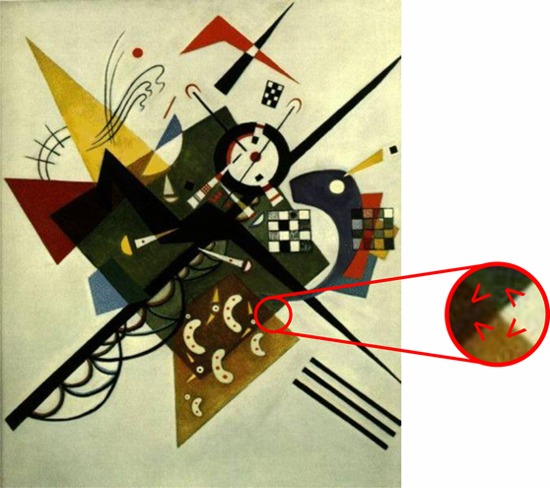
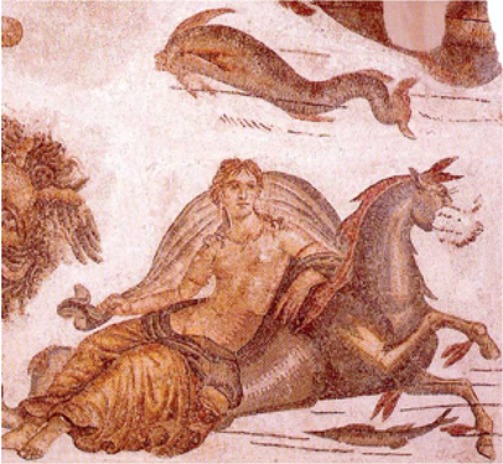
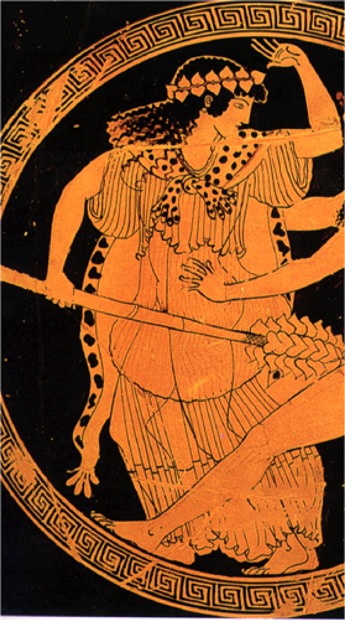
Artists throughout the ages have discovered a number of techniques to depict transparency. With only a few exceptions, these techniques follow closely the properties of physical transparency. The two best known properties are X-junctions and the luminance relations described by Metelli. X-junctions are seen where the contours of a transparent material cross contours of the surface behind; Metelli's constraints on the luminance relations between the direct and filtered portions of the surface specify a range of luminance values that are consistent with transparency. These principles have been used by artists since the time of ancient Egypt. However, artists also discovered that stimuli can be seen as transparent even when these physical constraints are not met. Ancient Greek artists, for example, were able to depict transparent materials in simple black-and-white line drawings. Artists also learned how to represent transparency in cases where neither X-junctions nor Metelli's constraints could apply: for example, where no portions of the objects behind the transparent material extend beyond it. Many painters convincingly portrayed transparency in these cases by depicting the effects the transparent medium would have on material or object properties. Here, we show how artists employed these and other techniques revealing their anticipation of current formalizations of perceived transparency, and we suggest new, as-yet-untested principles.
古往今来,艺术家们发现了许多描绘透明效果的技巧。除了少数例外,这些技巧都紧密遵循物理透明的特性。其中最广为人知的两个特性是X形交叉和梅泰利所描述的亮度关系。当透明材料的轮廓与后面表面的轮廓交叉时会出现X形交叉;梅泰利对表面直接部分和过滤部分之间亮度关系的限制规定了一系列与透明效果一致的亮度值。自古埃及时期以来,艺术家们就一直运用这些原理。然而,艺术家们也发现,即使不满足这些物理限制,刺激物也可以被视为透明的。例如,古希腊艺术家能够在简单的黑白线条画中描绘透明材料。艺术家们还学会了在既不存在X形交叉也不符合梅泰利限制的情况下表现透明效果:例如,透明材料后面的物体没有任何部分延伸到它之外的情况。在这些情况下,许多画家通过描绘透明介质对材料或物体属性的影响,令人信服地表现出了透明效果。在这里,我们展示了艺术家们是如何运用这些及其他技巧的,揭示了他们对当前感知透明形式化的预见,并且我们提出了新的、尚未经过检验的原理。