Department of Cranio-Maxillofacial and Oral Surgery, Medical University of Vienna, Waehringer Guertel 18-20, 1090 Vienna, Austria.
EPMA J. 2010 Mar;1(1):19-31. doi: 10.1007/s13167-010-0005-6. Epub 2010 Mar 24.
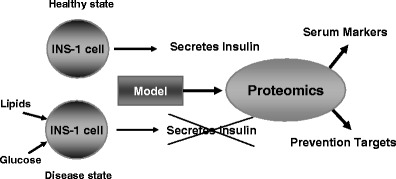
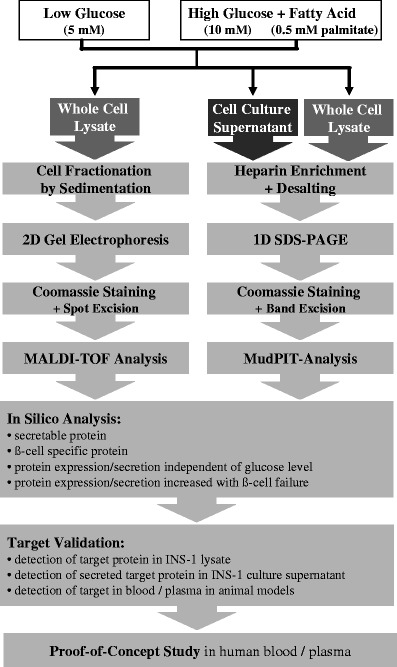
It has been suggested that a more precise selection of predictive biomarkers may prove useful in the early diagnosis of type 2 diabetes (T2D), even when glucose tolerance is normal. This is vital since many T2D cases may be preventable by avoiding those factors that trigger the disease process (primary prevention) or by use of therapy that modulates the disease process before the onset of clinical symptoms (secondary prevention) occurs. The selection of predictive markers must be carefully assessed and depends mainly on three important parameters: sensitivity, specificity and positive predictive value. Unfortunately, biomarkers with ideal specificity and sensitivity are difficult to find. One potential solution is to use the combinatorial power of different biomarkers, each of which alone may not offer satisfactory specificity and sensitivity. Recent technological advances in proteomics and bioinformatics offer a great opportunity for the discovery of different potential predictive markers. In this review, we described a cellular T2D model as an example with the intent of providing specific enrichment and new identification strategies, which might have the potential to improve predictive biomarker identification and to bring accuracy in disease diagnosis and classification, as well as therapeutic monitoring in the early phase of T2D.
有人认为,更精确地选择预测性生物标志物可能有助于 2 型糖尿病(T2D)的早期诊断,即使葡萄糖耐量正常。这一点至关重要,因为通过避免引发疾病过程的因素(一级预防),或者在出现临床症状之前使用调节疾病过程的疗法(二级预防),许多 T2D 病例可能是可以预防的。预测标志物的选择必须经过仔细评估,主要取决于三个重要参数:敏感性、特异性和阳性预测值。不幸的是,很难找到具有理想特异性和敏感性的生物标志物。一种潜在的解决方案是利用不同生物标志物的组合能力,因为每种生物标志物单独使用可能都无法提供令人满意的特异性和敏感性。蛋白质组学和生物信息学的最新技术进步为发现不同潜在预测性生物标志物提供了很好的机会。在这篇综述中,我们以细胞 T2D 模型为例,介绍了具体的富集和新的鉴定策略,这些策略可能有助于提高预测性生物标志物的鉴定,并提高疾病诊断和分类的准确性,以及 T2D 早期的治疗监测。