Sir William Dunn School of Pathology, University of Oxford , South Parks Road, Oxford OX1 3RE , UK.
Biol Open. 2012 Oct 15;1(10):983-93. doi: 10.1242/bio.20122238. Epub 2012 Aug 17.
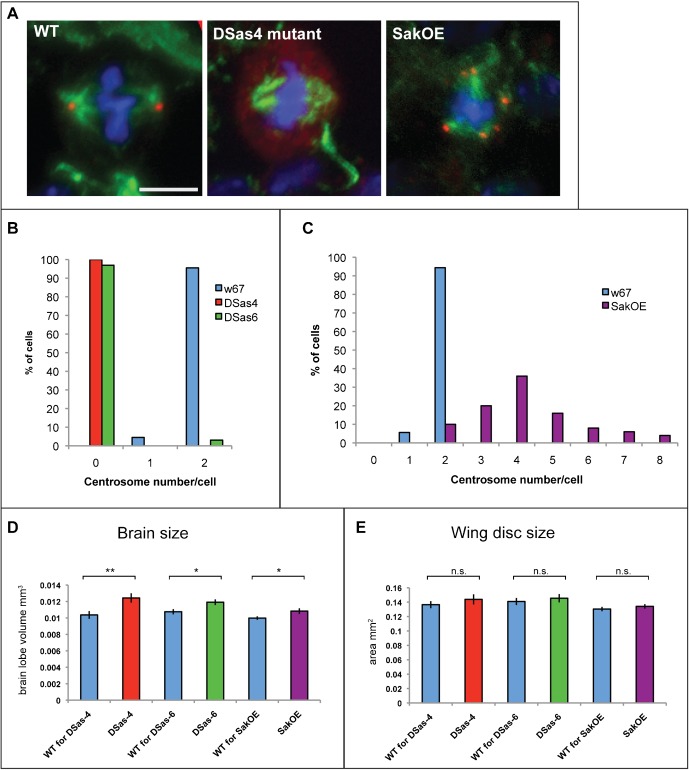
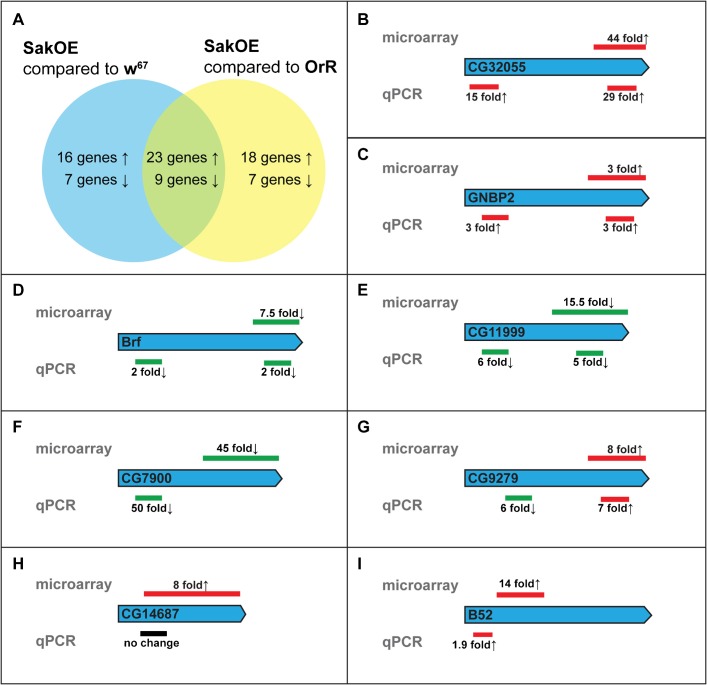
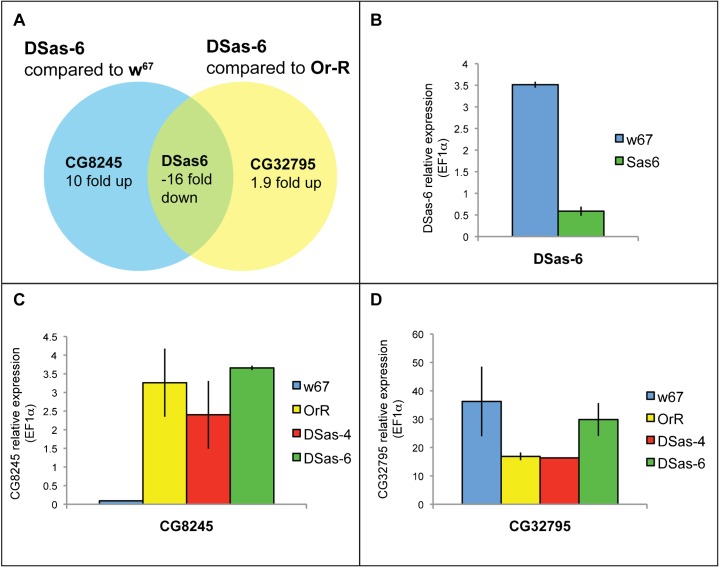
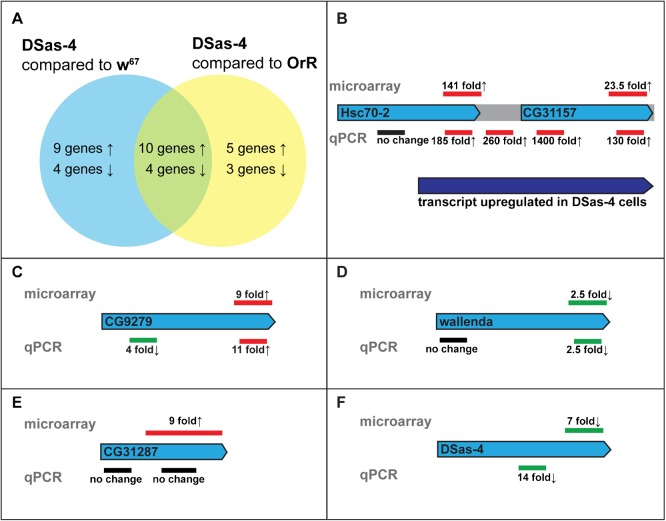
Centrosome defects are a common feature of many cancers, and they can predispose fly brain cells to form tumours. In flies, centrosome defects perturb the asymmetric division of the neural stem cells, but it is unclear how this might lead to malignant transformation. One possibility is that centrosome defects might also perturb cellular homeostasis: for example, stress pathways are often activated in response to centrosome defects in cultured cells, and stress contributes to tumourigenesis in some fly models. Here we attempt to assess whether centrosome loss or centrosome amplification perturbs cell physiology in vivo by profiling the global transcriptome of Drosophila larval brains and imaginal discs that either lack centrosomes or have too many centrosomes. Surprisingly, we find that centrosome loss or amplification leads to few changes in the transcriptional profile of these cells, indicating that centrosome defects are surprisingly well tolerated by these cells. These observations indicate that centrosome defects can predispose fly brain cells to form tumours without, at least initially, dramatically altering their physiology.
中心体缺陷是许多癌症的一个常见特征,它们可能使果蝇脑细胞易于形成肿瘤。在果蝇中,中心体缺陷会扰乱神经干细胞的不对称分裂,但目前尚不清楚这如何导致恶性转化。一种可能性是,中心体缺陷也可能扰乱细胞的动态平衡:例如,在培养细胞中,中心体缺陷通常会激活应激途径,而应激在某些果蝇模型中有助于肿瘤发生。在这里,我们试图通过对缺乏中心体或中心体过多的果蝇幼虫大脑和 imaginal 盘的全转录组进行分析,来评估中心体缺失或扩增是否会在体内扰乱细胞生理学。令人惊讶的是,我们发现中心体缺失或扩增导致这些细胞的转录谱发生很少变化,这表明中心体缺陷在这些细胞中得到了出人意料的良好耐受。这些观察结果表明,中心体缺陷可以使果蝇脑细胞易于形成肿瘤,而至少在最初阶段不会显著改变它们的生理学。