University of Auckland, Auckland, New Zealand.
PLoS One. 2012;7(12):e49648. doi: 10.1371/journal.pone.0049648. Epub 2012 Dec 5.
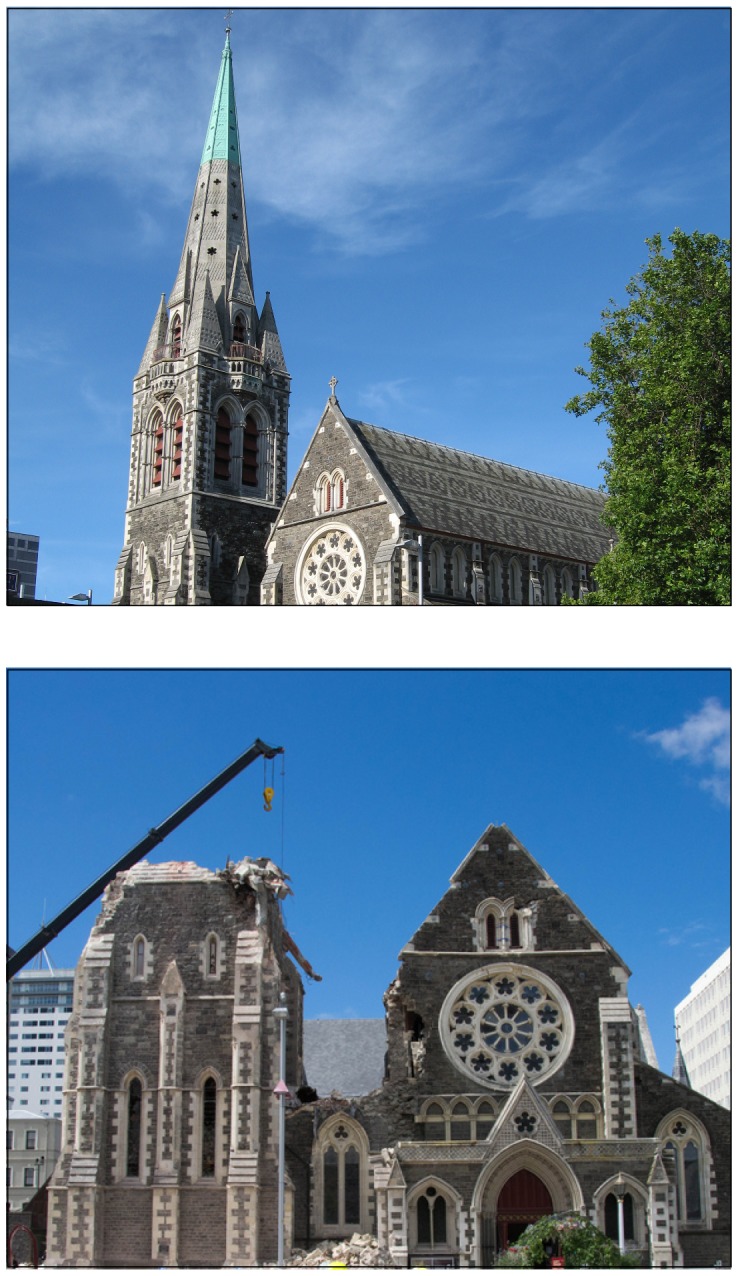
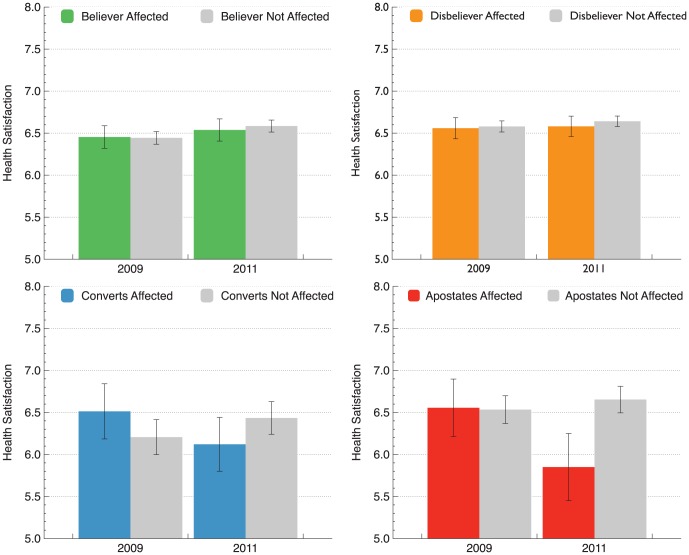
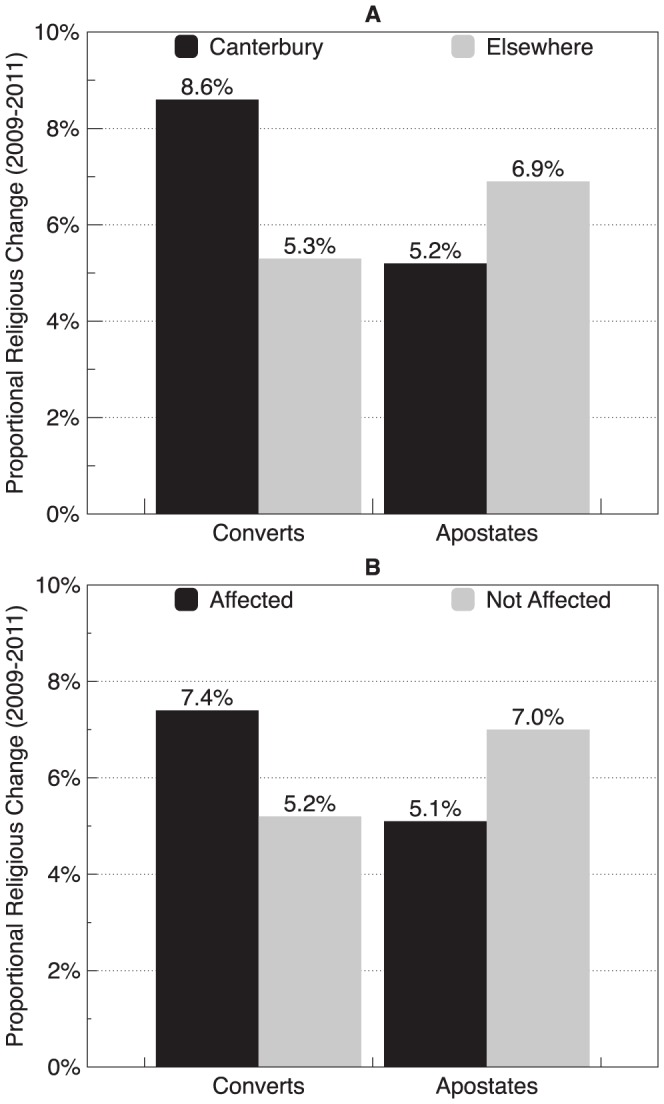
On 22 February 2011, Christchurch New Zealand (population 367,700) experienced a devastating earthquake, causing extensive damage and killing one hundred and eighty-five people. The earthquake and aftershocks occurred between the 2009 and 2011 waves of a longitudinal probability sample conducted in New Zealand, enabling us to examine how a natural disaster of this magnitude affected deeply held commitments and global ratings of personal health, depending on earthquake exposure. We first investigated whether the earthquake-affected were more likely to believe in God. Consistent with the Religious Comfort Hypothesis, religious faith increased among the earthquake-affected, despite an overall decline in religious faith elsewhere. This result offers the first population-level demonstration that secular people turn to religion at times of natural crisis. We then examined whether religious affiliation was associated with differences in subjective ratings of personal health. We found no evidence for superior buffering from having religious faith. Among those affected by the earthquake, however, a loss of faith was associated with significant subjective health declines. Those who lost faith elsewhere in the country did not experience similar health declines. Our findings suggest that religious conversion after a natural disaster is unlikely to improve subjective well-being, yet upholding faith might be an important step on the road to recovery.
2011 年 2 月 22 日,新西兰克赖斯特彻奇市(人口 367700 人)发生毁灭性地震,造成广泛破坏,导致 185 人死亡。此次地震及其余震发生在新西兰 2009 年至 2011 年期间进行的纵向概率抽样调查的两个波次之间,这使我们能够研究这场规模如此巨大的自然灾害如何影响到个人健康的深层承诺和全球评级,具体取决于地震暴露情况。我们首先调查了地震灾民是否更有可能相信上帝。与宗教安慰假说一致,尽管其他地方的宗教信仰总体下降,但受灾地区的宗教信仰有所增加。这一结果首次在人群水平上证明,在自然危机时期,世俗的人会转向宗教。然后,我们研究了宗教信仰是否与个人健康主观评价的差异有关。我们没有发现宗教信仰有更好的缓冲作用的证据。然而,在地震受灾者中,失去信仰与显著的主观健康下降有关。在该国其他地方失去信仰的人则没有经历类似的健康下降。我们的研究结果表明,自然灾害后宗教皈依不太可能改善主观幸福感,但坚持信仰可能是恢复过程中的重要一步。