Laboratory of Population & Quantitative Genetics, State Key Laboratory of Genetic Engineering, School of Life Sciences, Fudan University, Shanghai 200433, China.
DNA Res. 2013 Feb;20(1):55-66. doi: 10.1093/dnares/dss033. Epub 2013 Jan 2.
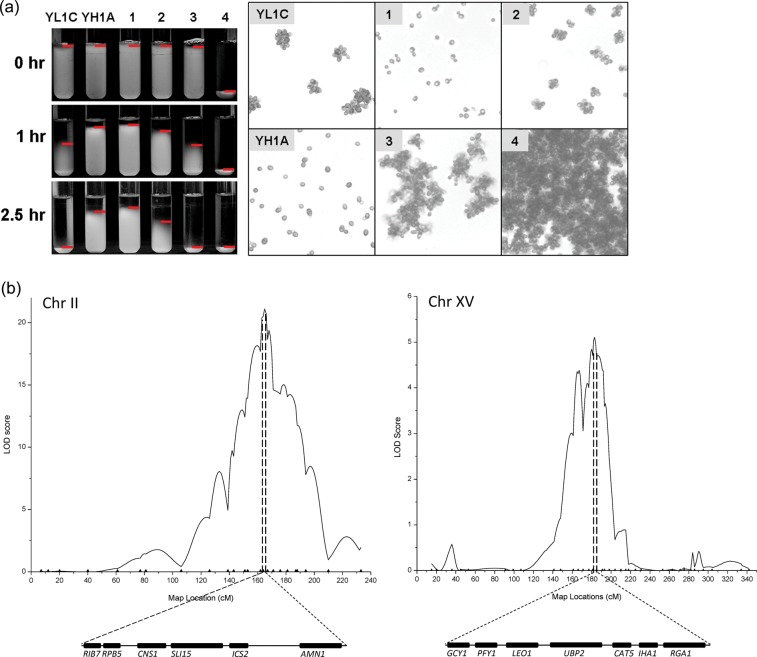
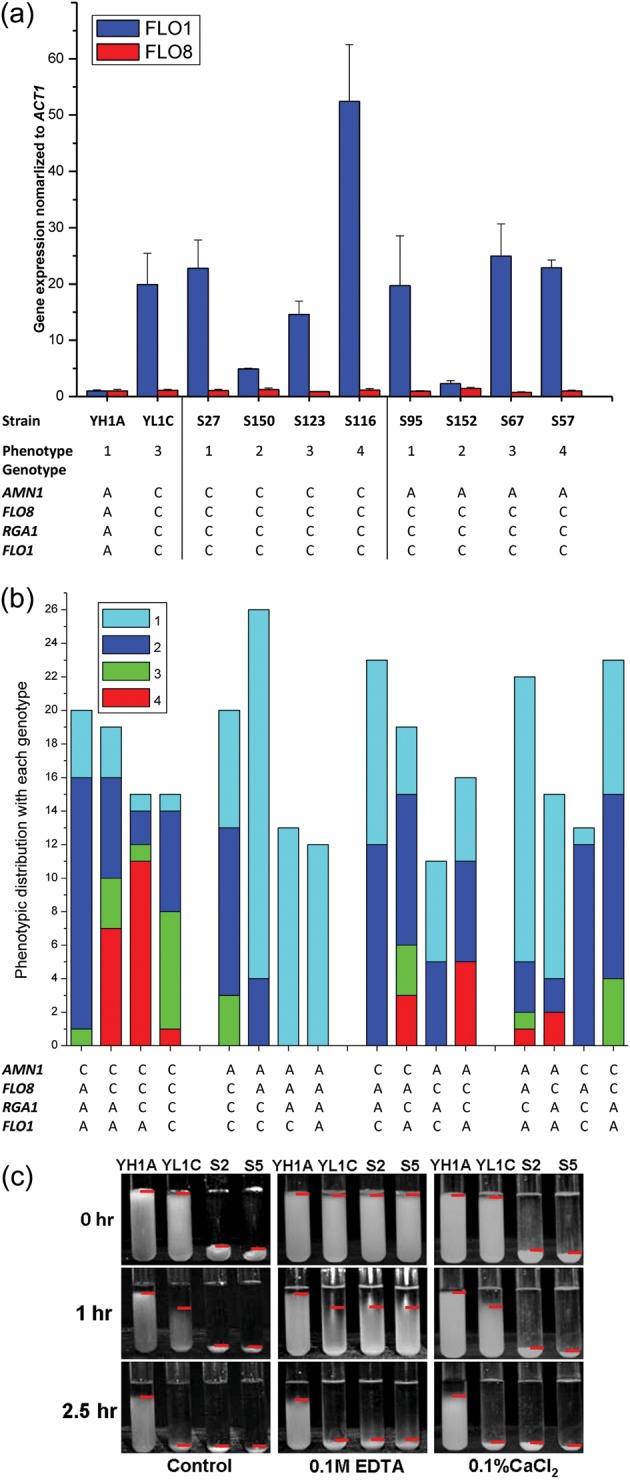
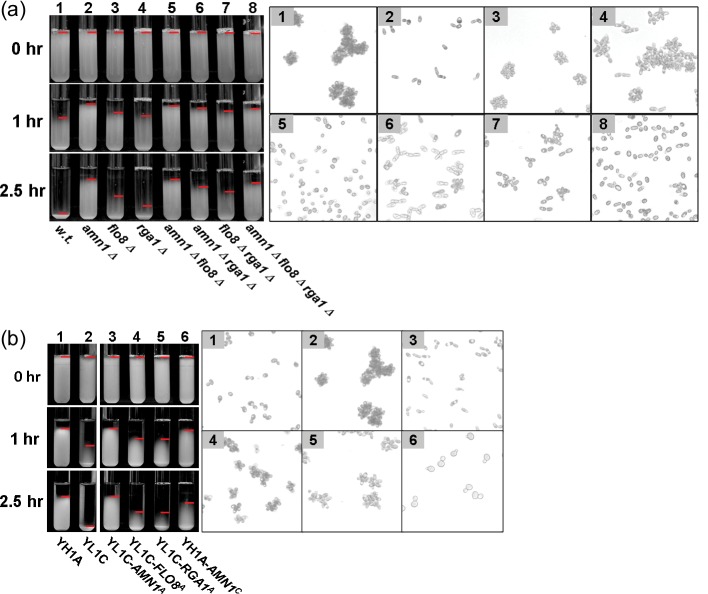
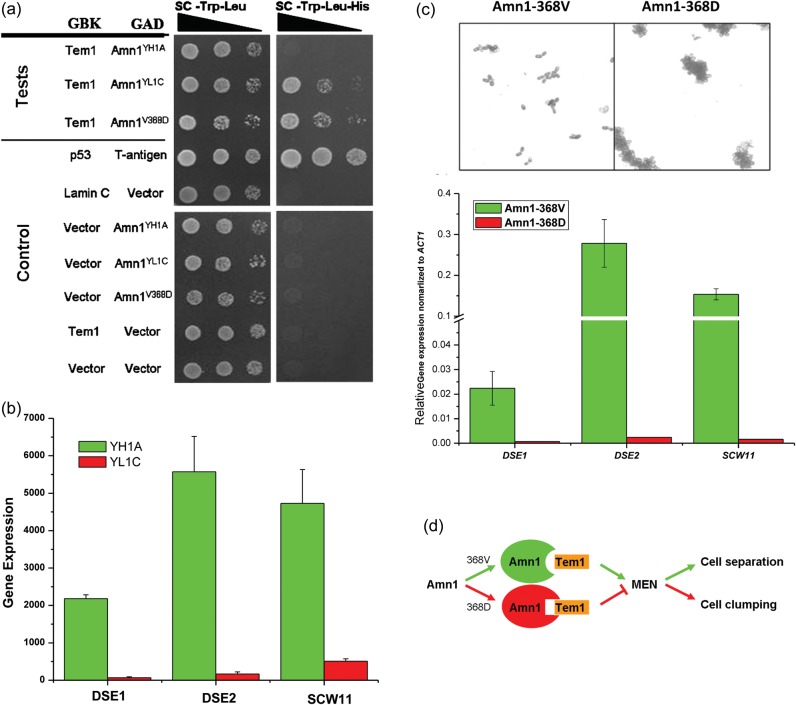
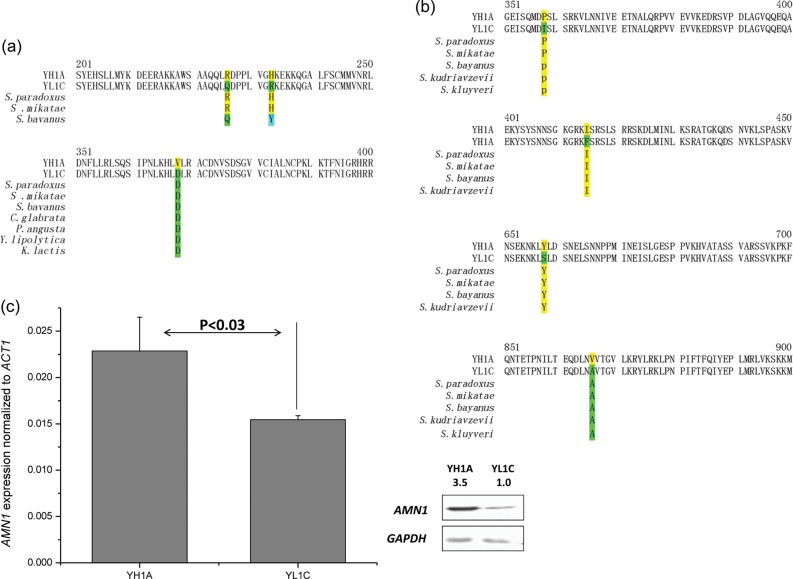
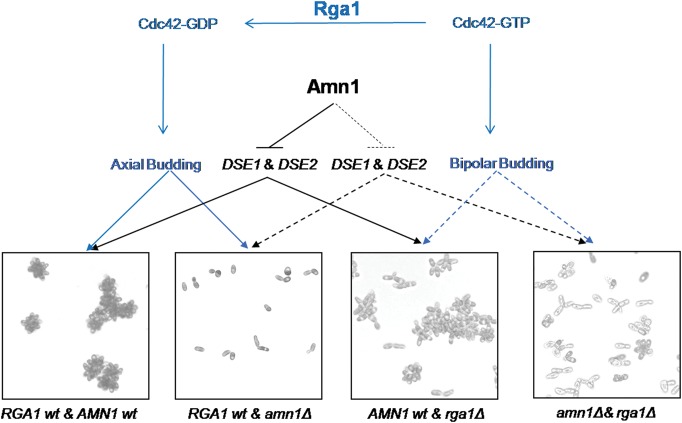
Cell aggregation in unicellular organisms, induced by either cell non-sexual adhesion to yield flocs and biofilm, or pheromone-driving sexual conjugation is of great significance in cellular stress response, medicine, and brewing industries. Most current literatures have focused on one form of cell aggregation termed flocculation and its major molecular determinants, the flocculation (FLO) family genes. Here, we implemented a map-based approach for dissecting the molecular basis of non-sexual cell aggregation in Saccharomyces cerevisiae. Genome-wide mapping has identified four major quantitative trait loci (QTL) underlying nature variation in the cell aggregation phenotype. High-resolution mapping following up with knockout and allele replacement experiments resolved the QTL into the underlying genes (AMN1, RGA1, FLO1, and FLO8) or even into the causative nucleotide. Genetic variation in the QTL genes can explain up to 46% of phenotypic variation of this trait. Of these genes, AMN1 plays the leading role, differing from the FLO family members, in regulating expression of cell clumping phenotype through inducing cell segregation defect. These findings provide novel insights into the molecular mechanism of how cell aggregation is regulated in budding yeast, and the data will be directly implicated to understand the molecular basis and evolutionary implications of cell aggregation in other fungus species.
单细胞生物中的细胞聚集,无论是通过细胞非性粘附产生絮体和生物膜,还是通过信息素驱动的有性接合诱导的,在细胞应激反应、医学和酿造工业中都具有重要意义。大多数现有文献都集中在一种称为絮凝的细胞聚集形式及其主要的分子决定因素——絮凝(FLO)家族基因上。在这里,我们采用基于图谱的方法来剖析酿酒酵母中非性细胞聚集的分子基础。全基因组图谱绘制鉴定出了四个主要的数量性状位点(QTL),这些位点是细胞聚集表型自然变异的基础。随后的敲除和等位基因替换实验进行高分辨率图谱绘制,将 QTL 解析为潜在基因(AMN1、RGA1、FLO1 和 FLO8),甚至解析为致病核苷酸。QTL 基因的遗传变异可以解释该性状 46%的表型变异。在这些基因中,AMN1 通过诱导细胞分离缺陷,与 FLO 家族成员不同,在调节细胞聚集表型的表达中起主导作用。这些发现为芽殖酵母中细胞聚集如何受到调控的分子机制提供了新的见解,并且这些数据将直接用于理解其他真菌物种中细胞聚集的分子基础和进化意义。