Yasini Sp, Khaki Z, Rahbari S, Kazemi B, Amoli J Salar, Gharabaghi A, Jalali Sm
Department of Clinical Pathology, Faculty of Veterinary Medicine, University of Tehran, Tehran, Iran.
Iran J Parasitol. 2012;7(4):91-8.
Anaplasma ovis infections can cause clinical symptoms in acute phase and lead to huge economic losses in flocks. The aim of the present study was to investigate the hematological and parasitological changes in experimental anaplasmosis in sheep with Iranian strain of A. ovis.
Five male sheep without any blood parasite infection were selected. One hundred ml heparinized blood was collected from splenectomised sheep that showed 6% A. ovis parasitemia. Inoculums of 20 ml blood were administered intravenously to each test animal. Hematological, parasitological and clinical changes of experimental anaplasmosis were studied in 0-38 days post infection.
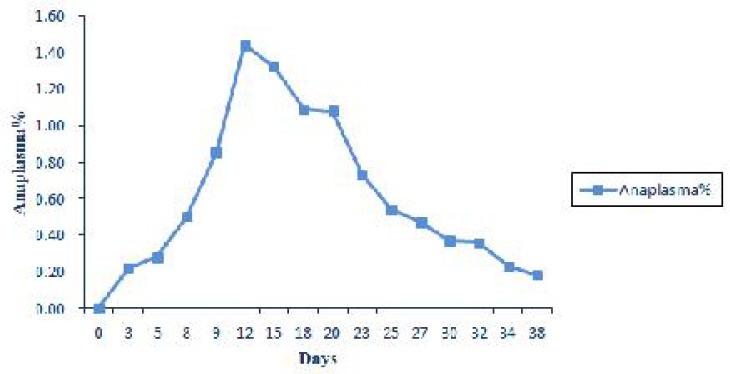
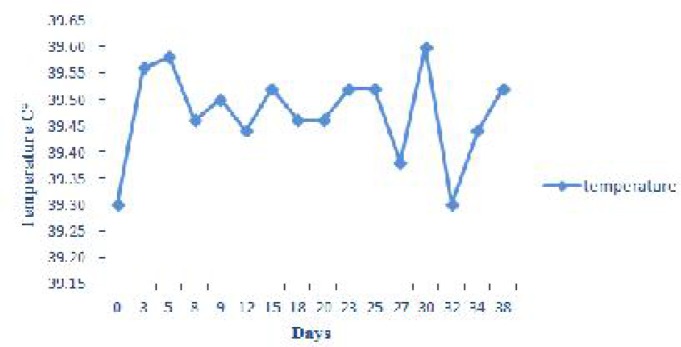
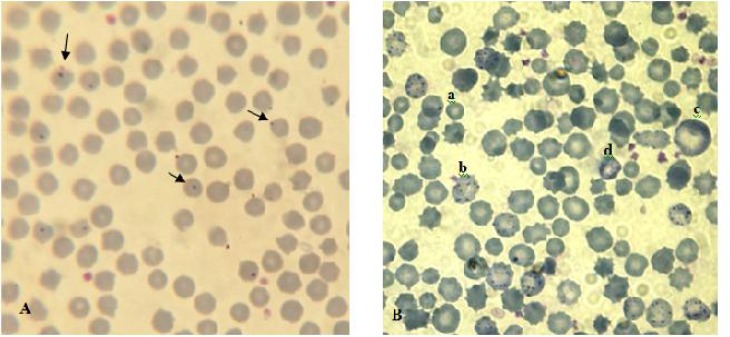
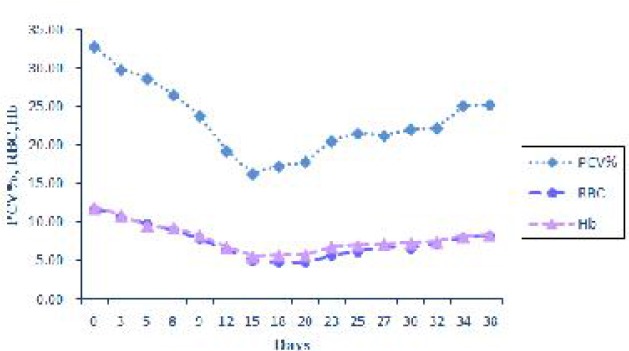
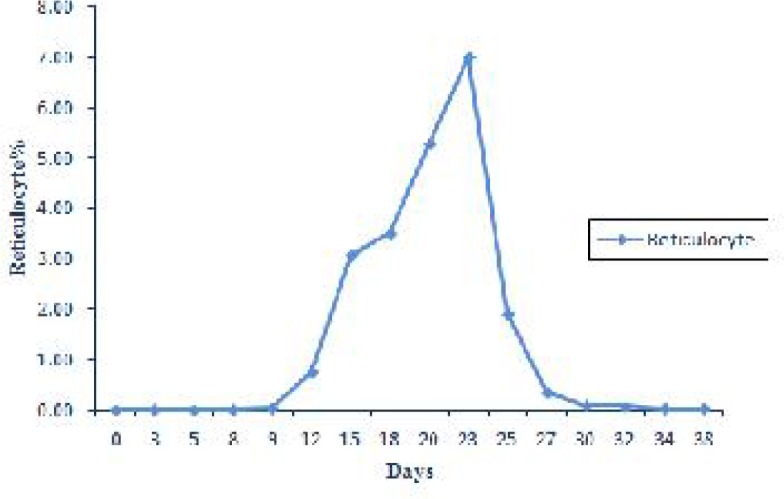
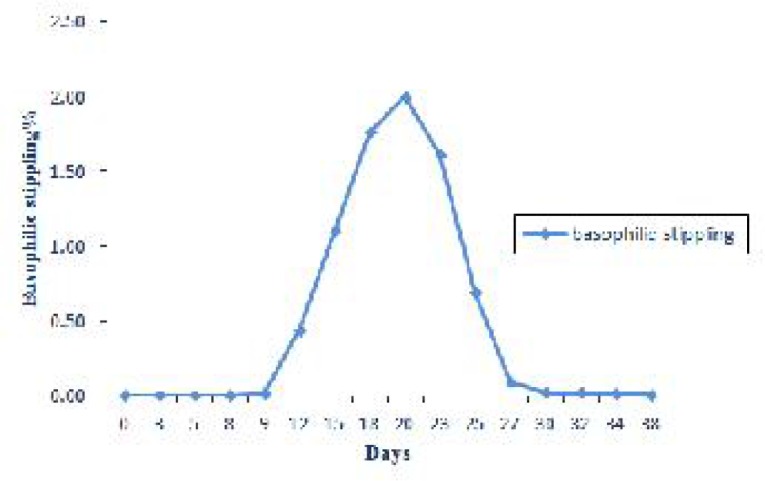
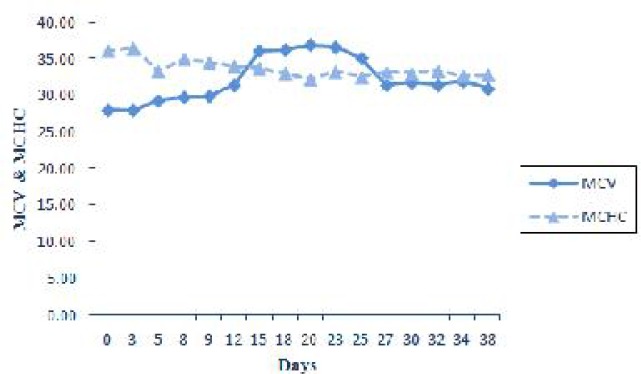
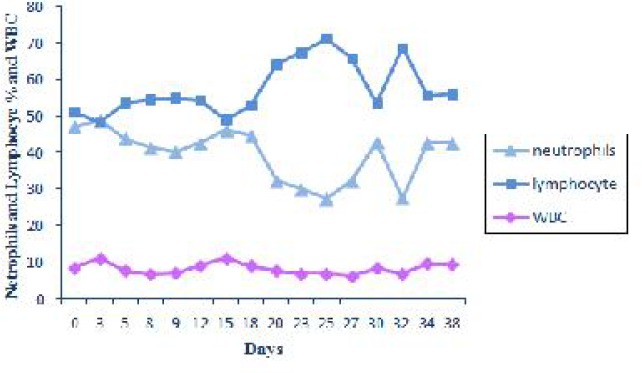
Parasitemia was detected 3 days post infection and reached its maximum level on the day 12 of experiment in test animals. Then the parasitemia was declined, but the organism could be found persistently until the last day of study. The red cell counts, packed cell volume and hemoglobin concentration were decreased and mean corpuscular volume was increased significantly during the infection period. Reticulocytosis and basophilic stippling were also detected. No significant changes were observed in total and differential leukocyte count and animal body temperature.
Experimental A. ovis infection in sheep resulted in marked normocytic normochromic anemia at the beginning of the infection which became macrocytic normochromic by the development of the disease. There were negative correlations between parasitemia and RBC, PCV and Hb values, therefore hematological assessment can be considered as a practical diagnostic tool in ovine anaplasmosis.
绵羊无形体感染在急性期可引起临床症状,并给羊群带来巨大经济损失。本研究的目的是调查伊朗绵羊无形体菌株感染绵羊的实验性无形体病的血液学和寄生虫学变化。
选择5只无任何血液寄生虫感染的雄性绵羊。从脾切除的绵羊中采集100ml肝素化血液,该绵羊的绵羊无形体血症为6%。将20ml血液接种物静脉注射给每只试验动物。在感染后0 - 38天研究实验性无形体病的血液学、寄生虫学和临床变化。
感染后3天检测到血症,试验动物在实验第12天达到最高水平。然后血症下降,但直到研究的最后一天仍能持续发现该病原体。在感染期间,红细胞计数、血细胞比容和血红蛋白浓度降低,平均红细胞体积显著增加。还检测到网织红细胞增多和嗜碱性点彩。总白细胞计数和分类白细胞计数以及动物体温未观察到显著变化。
绵羊实验性感染绵羊无形体在感染开始时导致明显的正细胞正色素性贫血,随着疾病发展变为大细胞正色素性贫血。血症与红细胞、血细胞比容和血红蛋白值之间存在负相关,因此血液学评估可被视为绵羊无形体病的一种实用诊断工具。