Molecular Genetics Program, Jenomic, Carmel, California, USA.
PLoS One. 2013;8(1):e52543. doi: 10.1371/journal.pone.0052543. Epub 2013 Jan 9.
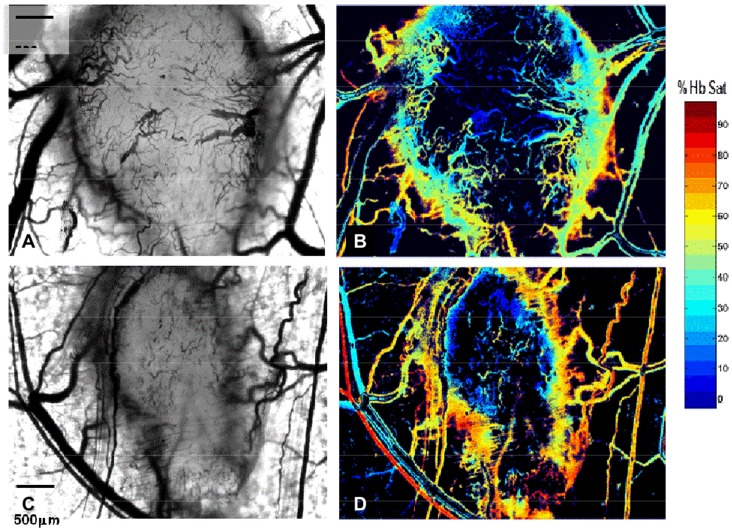
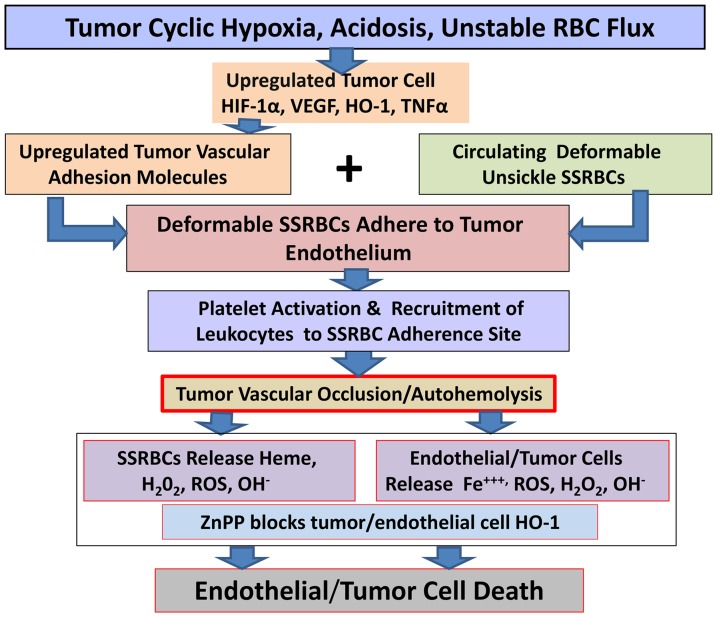
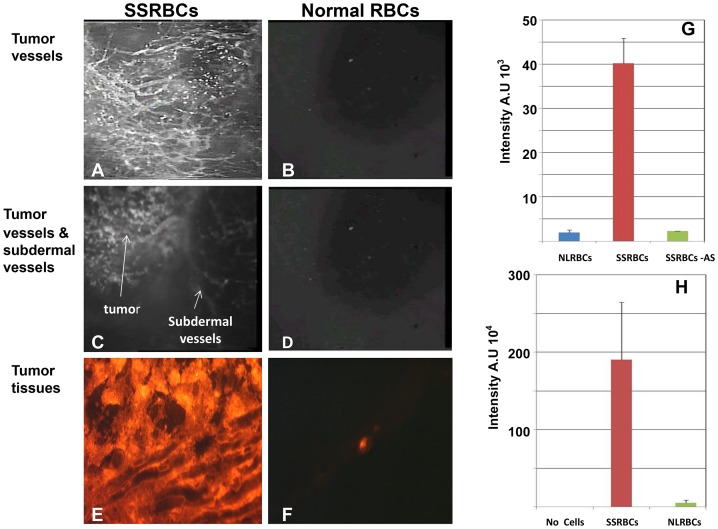
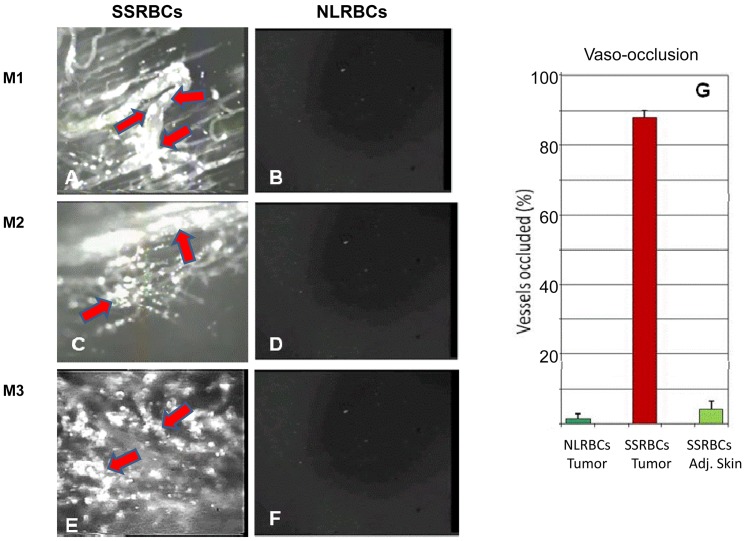
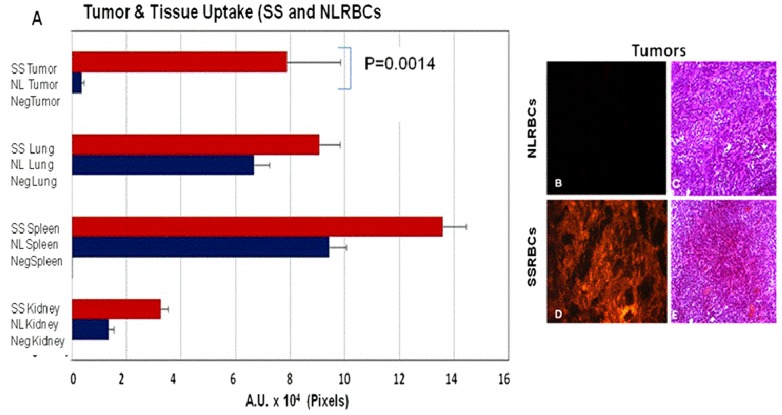
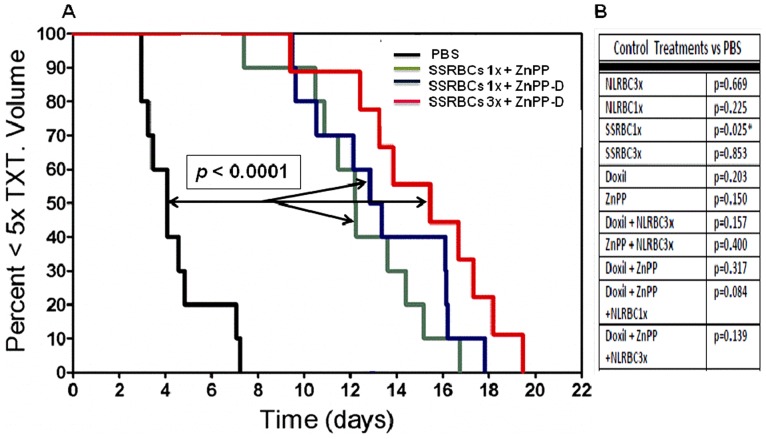
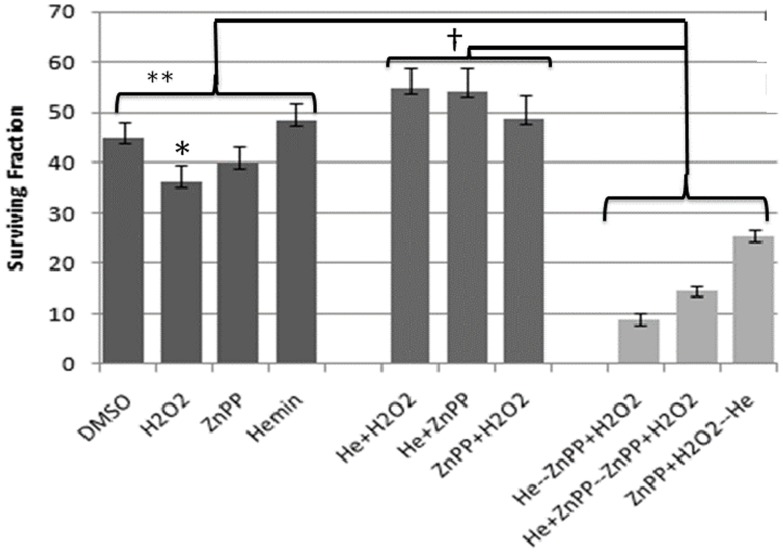
Resistance of hypoxic solid tumor niches to chemotherapy and radiotherapy remains a major scientific challenge that calls for conceptually new approaches. Here we exploit a hitherto unrecognized ability of sickled erythrocytes (SSRBCs) but not normal RBCs (NLRBCs) to selectively target hypoxic tumor vascular microenviroment and induce diffuse vaso-occlusion. Within minutes after injection SSRBCs, but not NLRBCs, home and adhere to hypoxic 4T1 tumor vasculature with hemoglobin saturation levels at or below 10% that are distributed over 70% of the tumor space. The bound SSRBCs thereupon form microaggregates that obstruct/occlude up to 88% of tumor microvessels. Importantly, SSRBCs, but not normal RBCs, combined with exogenous prooxidant zinc protoporphyrin (ZnPP) induce a potent tumoricidal response via a mutual potentiating mechanism. In a clonogenic tumor cell survival assay, SSRBC surrogate hemin, along with H(2)O(2) and ZnPP demonstrate a similar mutual potentiation and tumoricidal effect. In contrast to existing treatments directed only to the hypoxic tumor cell, the present approach targets the hypoxic tumor vascular environment and induces injury to both tumor microvessels and tumor cells using intrinsic SSRBC-derived oxidants and locally generated ROS. Thus, the SSRBC appears to be a potent new tool for treatment of hypoxic solid tumors, which are notable for their resistance to existing cancer treatments.
缺氧实体瘤龛对化疗和放疗的耐药性仍然是一个重大的科学挑战,需要采用全新的概念性方法。在这里,我们利用镰刀状红细胞(SSRBC)但不是正常红细胞(NLRBC)选择性靶向缺氧肿瘤血管微环境并诱导弥漫性血管阻塞的迄今尚未被认识的能力。SSRBC 注射后几分钟内,但不是 NLRBC,归巢并黏附于血红蛋白饱和度在 10%或以下的缺氧 4T1 肿瘤血管,分布在肿瘤空间的 70%以上。随后,结合的 SSRBC 形成微聚集物,阻塞/闭塞多达 88%的肿瘤微血管。重要的是,SSRBC 与外源性促氧化剂锌原卟啉(ZnPP)结合,通过相互增强机制诱导强烈的肿瘤杀伤反应。在集落形成肿瘤细胞存活测定中,SSRBC 替代血红素与 H 2 O 2 和 ZnPP 一起显示出类似的相互增强和肿瘤杀伤作用。与仅针对缺氧肿瘤细胞的现有治疗方法相反,本方法针对缺氧肿瘤血管环境,并使用内在的 SSRBC 衍生氧化剂和局部产生的 ROS 对肿瘤微血管和肿瘤细胞造成损伤。因此,SSRBC 似乎是治疗缺氧实体瘤的一种有效新工具,这些肿瘤对现有癌症治疗方法具有耐药性。